
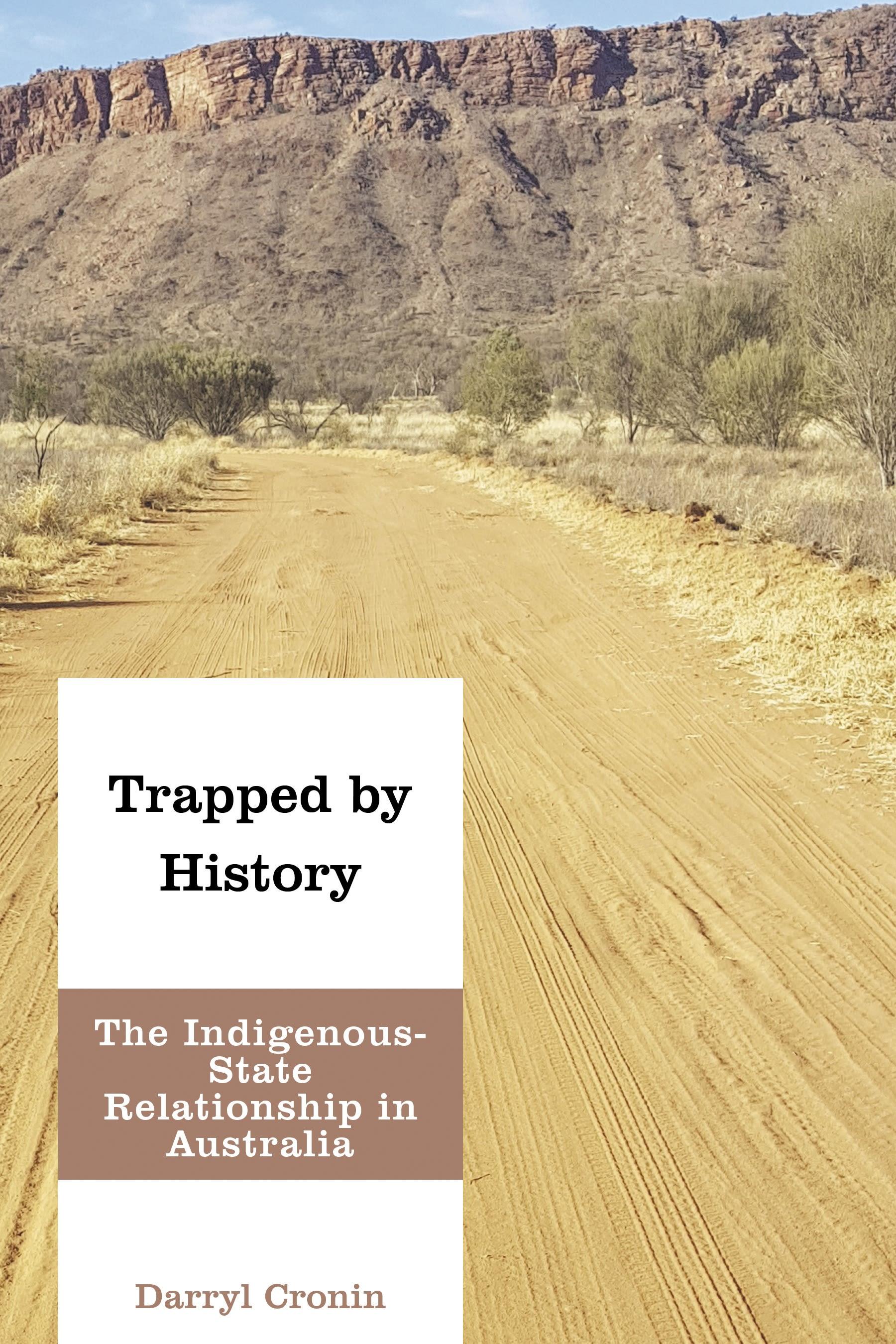
The Australian nation has reached an impasse in Indigenous policy and practice and fresh strategies and perspectives are required. Trapped by History highlights a fundamental issue that the Australian nation must confront to develop a genuine relationship with Indigenous Australians.
The existing relationship between Indigenous people and the Australian state was constructed on the myth of an empty land – terra nullius. Interactions with Indigenous people have been constrained by eighteenth-century assumptions and beliefs that Indigenous people did not have organised societies, had neither land ownership nor a recognisable form of sovereignty, and that they were ‘savage’ but could be ‘civilized’ through the erasure of their culture. These incorrect assumptions and beliefs are the foundation of the legal, constitutional and political treatment of Indigenous Australians over the course of the country’s history. They remain ingrained in governmental institutions, Indigenous policy making, judicial decision making and contemporary public attitudes about Indigenous people.
Trapped by History shines new light upon historical and contemporary examples where Indigenous people have attempted to engage and dialogue with state and federal governments. These governments have responded by trying to suppress and discredit Indigenous rights, culture and identities and impose assimilationist policies. In doing so they have rejected or ignored Indigenous attempts at dialogue and partnership. Other settler countries such as New Zealand, Canada and the United States of America have all negotiated treaties with Indigenous people and have developed constitutional ways of engaging cross culturally. In Australia, the limited recognition that Indigenous people have achieved to date shows that the state is unable to resolve long standing issues with Indigenous people. Movement beyond the current colonial relationship with Indigenous Australians requires a genuine dialogue to not only examine the legal and intellectual framework that constrains Indigenous recognition but to create new foundations for a renewed relationship based on intercultural negotiation, mutual respect, sharing and mutual responsibility. This must involve building a shared understanding around addressing past injustices and creating a shared vision for how Indigenous people and other Australians will associate politically in the future.
The existing relationship between Indigenous people and the Australian state was constructed on the myth of an empty land – terra nullius. Interactions with Indigenous people have been constrained by eighteenth-century assumptions and beliefs that Indigenous people did not have organised societies, had neither land ownership nor a recognisable form of sovereignty, and that they were ‘savage’ but could be ‘civilized’ through the erasure of their culture. These incorrect assumptions and beliefs are the foundation of the legal, constitutional and political treatment of Indigenous Australians over the course of the country’s history. They remain ingrained in governmental institutions, Indigenous policy making, judicial decision making and contemporary public attitudes about Indigenous people.
Trapped by History shines new light upon historical and contemporary examples where Indigenous people have attempted to engage and dialogue with state and federal governments. These governments have responded by trying to suppress and discredit Indigenous rights, culture and identities and impose assimilationist policies. In doing so they have rejected or ignored Indigenous attempts at dialogue and partnership. Other settler countries such as New Zealand, Canada and the United States of America have all negotiated treaties with Indigenous people and have developed constitutional ways of engaging cross culturally. In Australia, the limited recognition that Indigenous people have achieved to date shows that the state is unable to resolve long standing issues with Indigenous people. Movement beyond the current colonial relationship with Indigenous Australians requires a genuine dialogue to not only examine the legal and intellectual framework that constrains Indigenous recognition but to create new foundations for a renewed relationship based on intercultural negotiation, mutual respect, sharing and mutual responsibility. This must involve building a shared understanding around addressing past injustices and creating a shared vision for how Indigenous people and other Australians will associate politically in the future.
Paga facilmente con carta, Klarna, Apple Pay o Google Pay. Non sei soddisfatto? Hai sempre 14 giorni per il rimborso. Leggi di più nei nostri termini. Per qualsiasi domanda, scrivici a hello@memmo.org.
Memmo rende lo studio più facile, ovunque tu sia nel mondo. Qui trovi i tuoi libri di testo e strumenti di studio intelligenti, tutto in un unico posto: riassunti, quiz, podcast e flashcard. E poi c'è Ted, il tuo compagno di studio che risponde a ogni tua domanda. Oltre 50.000 studenti studiano già qui: è stato creato per aiutarti a imparare più velocemente e a stressarti meno.