
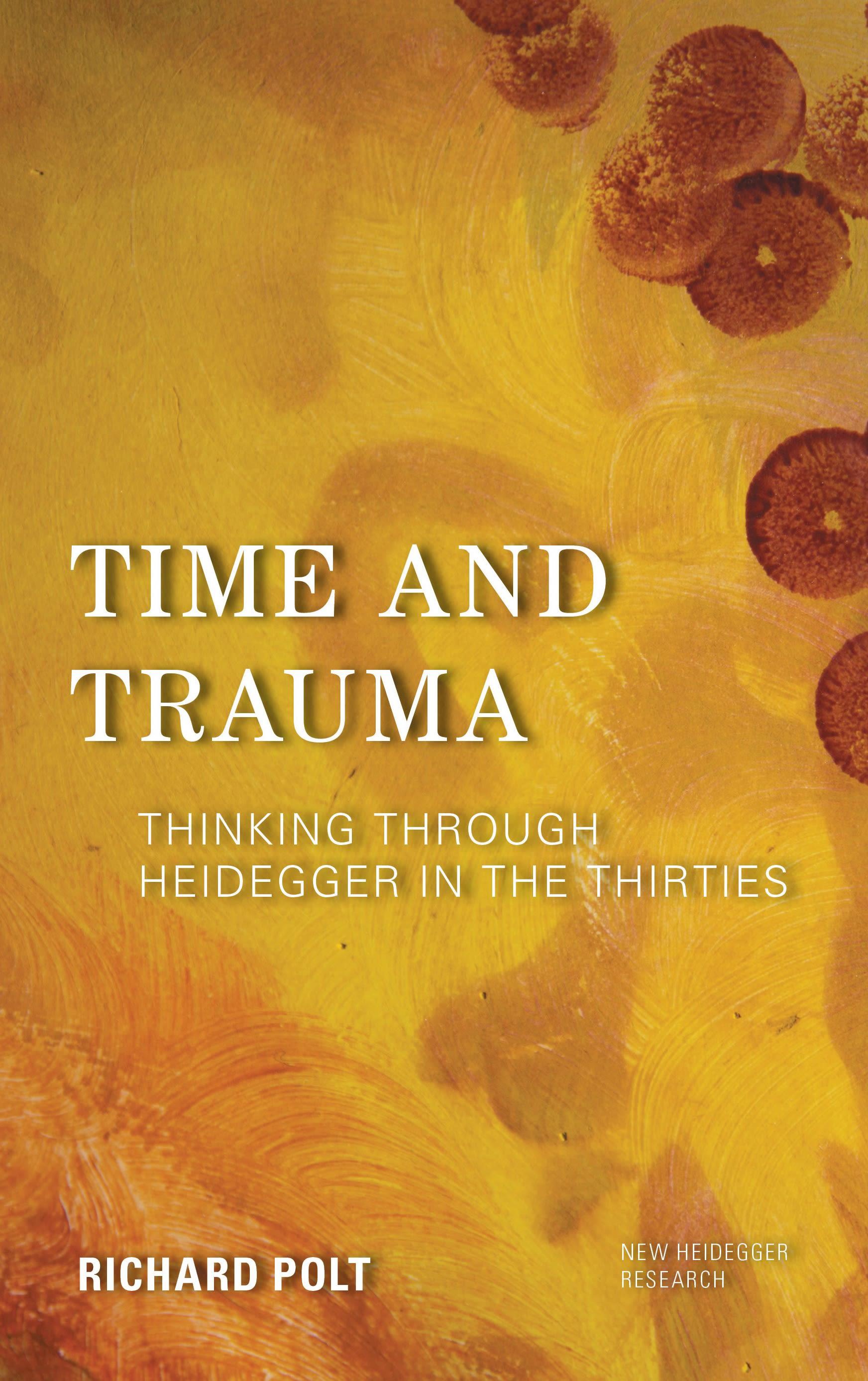
In this important new book, Richard Polt takes a fresh approach to Heidegger’s thought during his most politicized period, and works toward a philosophical appropriation of his most valuable ideas. Polt shows how central themes of the 1930s—such as inception, emergency, and the question “Who are we?”—grow from seeds planted in Being and Time and are woven into Heidegger’s political thought. Working with recently published texts, including Heidegger’s Black Notebooks, Polt traces the thinker’s engagement and disengagement from the Nazi movement. He critiques Heidegger for his failure to understand the political realm, but also draws on his ideas to propose a “traumatic ontology” that understands individual and collective existence as identities that are always in question, and always remain exposed to disruptive events. Time and Trauma is a bold attempt to gain philosophical insight from the most problematic and controversial phase of Heidegger’s thought.
Paga facilmente con carta, Klarna, Apple Pay o Google Pay. Non sei soddisfatto? Hai sempre 14 giorni per il rimborso. Leggi di più nei nostri termini. Per qualsiasi domanda, scrivici a hello@memmo.org.
Memmo rende lo studio più facile, ovunque tu sia nel mondo. Qui trovi i tuoi libri di testo e strumenti di studio intelligenti, tutto in un unico posto: riassunti, quiz, podcast e flashcard. E poi c'è Ted, il tuo compagno di studio che risponde a ogni tua domanda. Oltre 50.000 studenti studiano già qui: è stato creato per aiutarti a imparare più velocemente e a stressarti meno.