
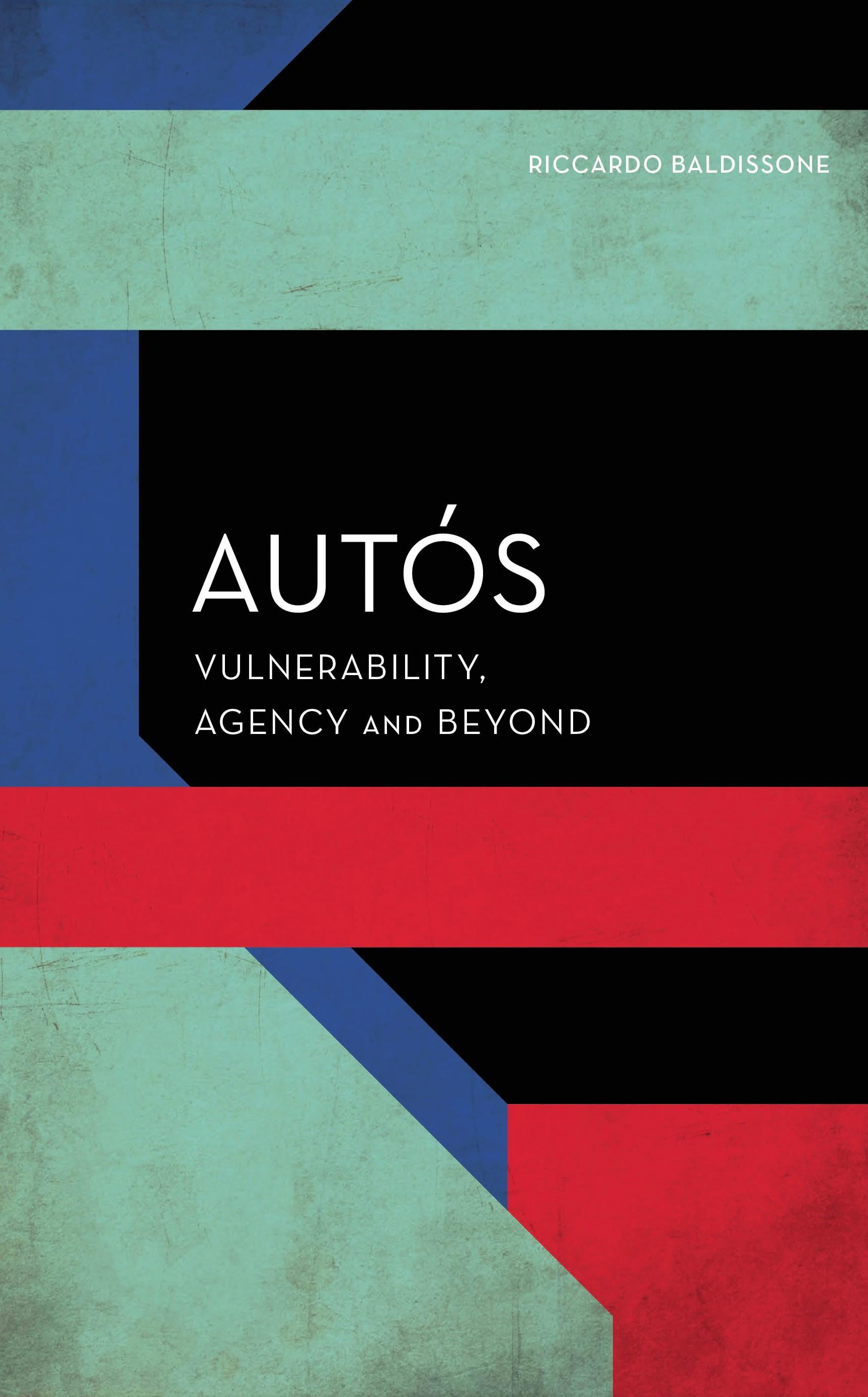
Are we doomed to construct reality with the language of being and individuality? Autós shows a different perspective by reconsidering the European textual production of individuals. Its narration progresses in reverse chronological order to escape teleology: it goes from the modern atomized and self-sufficient subject to her immediate precursor, namely, the isolated faithful of Reformation theology, and to the amazing proliferation of medieval bodies, after the Late Antique narrow individuation of the Christian persona. Roman law mostly escapes the latter’s definitional approach, which first appears in Greek speculation: here, the vocabulary of being and identity takes shape, as exemplified by the new Platonic deployment of the word autós, which has both the sense of ‘same’ and ‘self.’ The Homeric epic instead shows us a discursive regime that precedes the invention of body, mind, being, and self. Taking further old and new examples, the book seeks to provincialize the technologies of the self through a new vocabulary of incorporation, whose sphere of action is not the being of entities, but the performing of practices.
Paga facilmente con carta, Klarna, Apple Pay o Google Pay. Non sei soddisfatto? Hai sempre 14 giorni per il rimborso. Leggi di più nei nostri termini. Per qualsiasi domanda, scrivici a hello@memmo.org.
Memmo rende lo studio più facile, ovunque tu sia nel mondo. Qui trovi i tuoi libri di testo e strumenti di studio intelligenti, tutto in un unico posto: riassunti, quiz, podcast e flashcard. E poi c'è Ted, il tuo compagno di studio che risponde a ogni tua domanda. Oltre 50.000 studenti studiano già qui: è stato creato per aiutarti a imparare più velocemente e a stressarti meno.