
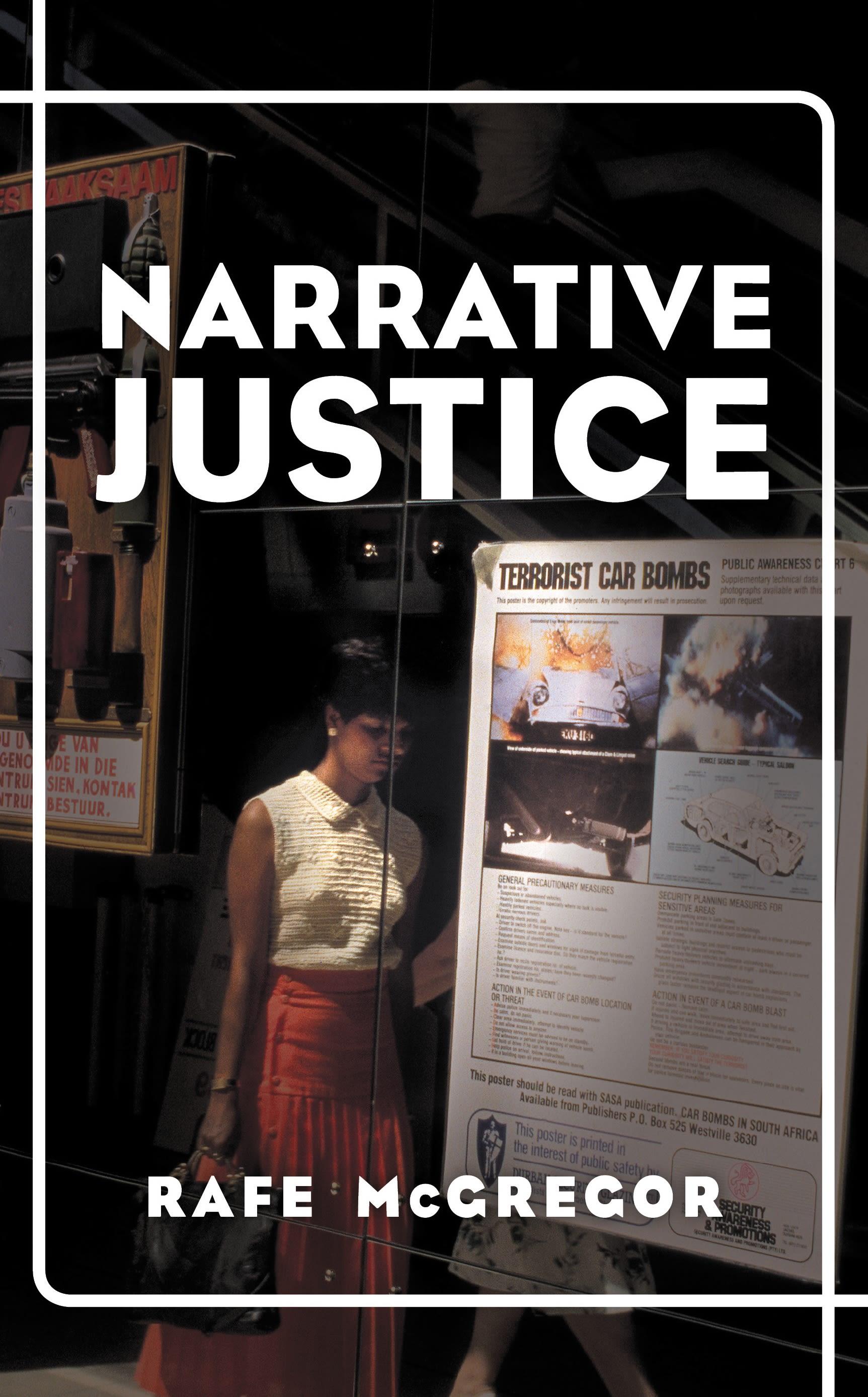
This book introduces narrative justice, a new theory of aesthetic education – the thesis that the cultivation of aesthetic or artistic sensibility can both improve moral character and achieve political justice. The author argues that there is a subcategory of narrative representations that provide moral knowledge regardless of their categorisation as fiction or non-fiction, and which therefore can be employed as a means of moral improvement. McGregor applies this narrative ethics to the criminology of inhumanity, including both crimes against humanity and terrorism. Expanding on the methodology of narrative criminology, he demonstrates that narrative representations can be employed to evaluate responsibility for inhumanity, to understand the psychology of inhumanity, and to undermine inhumanity – and are thus a means to the end of opposing injustice. He concludes that the cultivation of narrative sensibility is an important tool for both moral improvement and political justice.
Paga facilmente con carta, Klarna, Apple Pay o Google Pay. Non sei soddisfatto? Hai sempre 14 giorni per il rimborso. Leggi di più nei nostri termini. Per qualsiasi domanda, scrivici a hello@memmo.org.
Memmo rende lo studio più facile, ovunque tu sia nel mondo. Qui trovi i tuoi libri di testo e strumenti di studio intelligenti, tutto in un unico posto: riassunti, quiz, podcast e flashcard. E poi c'è Ted, il tuo compagno di studio che risponde a ogni tua domanda. Oltre 50.000 studenti studiano già qui: è stato creato per aiutarti a imparare più velocemente e a stressarti meno.