
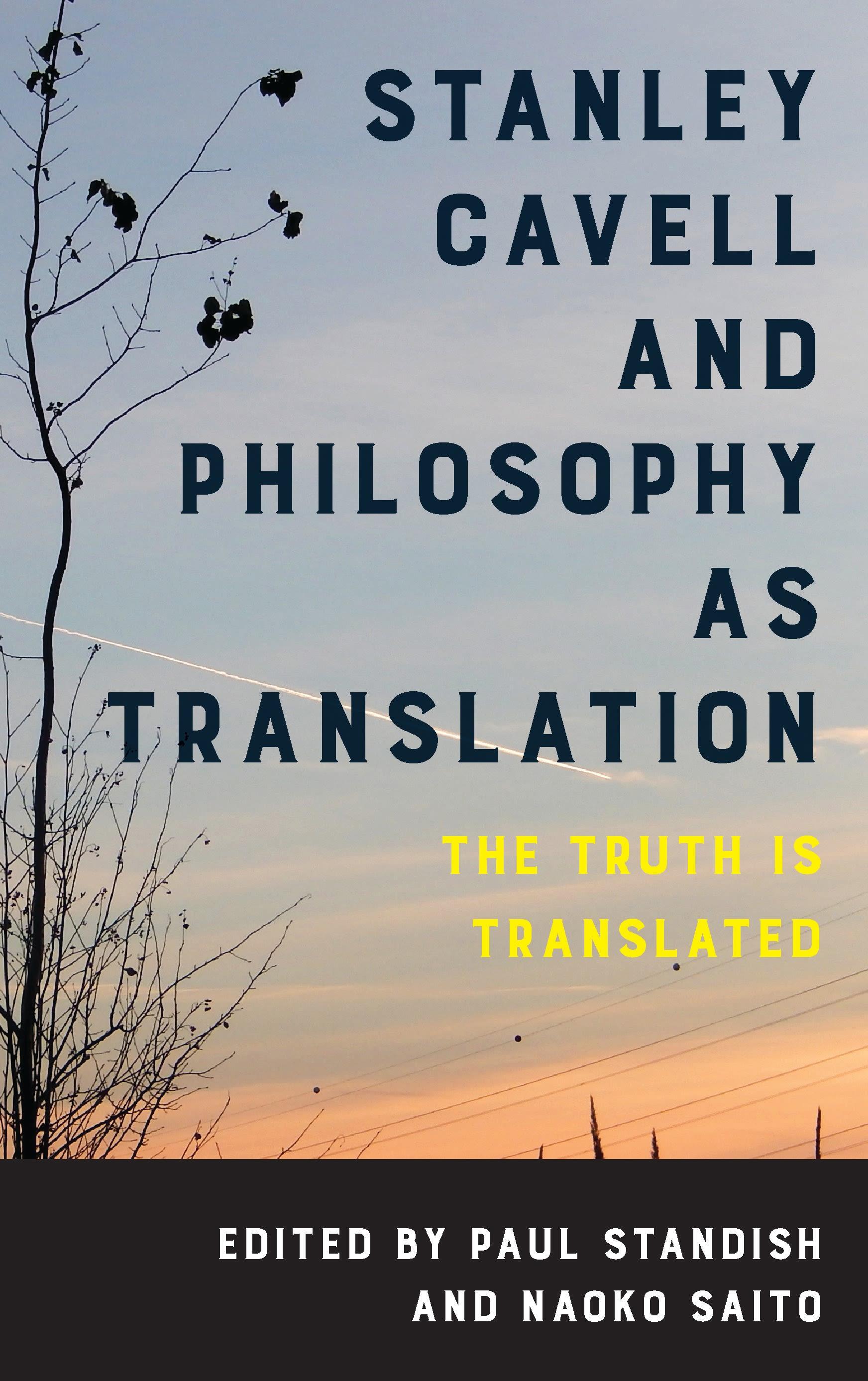
Translation exposes aspects of language that can easily be ignored, renewing the sense of the proximity and inseparability of language and thought. The ancient quarrel between philosophy and literature was an early expression of a self-understanding of philosophy that has, in some quarters at least, survived the centuries. This book explores the idea of translation as a philosophical theme and as an important feature of philosophy and practical life, especially in relation to the work of Stanley Cavell.
The essays in this volume explore philosophical questions about translation, especially in the light of the work of Stanley Cavell. They take the questions raised by translation to be of key importance not only for philosophical thinking but for our lives as a whole. Thoreau’s enigmatic remark “The truth is translated” reveals that apparently technical matters of translation extend through human lives to remarkable effect, conditioning the ways in which the world comes to light. The experience of the translator exemplifies the challenge of judgement where governing rules and principles are incommensurable; and it shows something of the ways in which words come to us, opening new possibilities of thought. This book puts Cavell’s rich exploration of these matters into conversation with traditions of pragmatism and European thought. Translation, then, far from a merely technical matter, is at work in human being, and it is the means of humanisation. The book brings together philosophers and translators with common interests in Cavell and in the questions of language at the heart of his work.
The essays in this volume explore philosophical questions about translation, especially in the light of the work of Stanley Cavell. They take the questions raised by translation to be of key importance not only for philosophical thinking but for our lives as a whole. Thoreau’s enigmatic remark “The truth is translated” reveals that apparently technical matters of translation extend through human lives to remarkable effect, conditioning the ways in which the world comes to light. The experience of the translator exemplifies the challenge of judgement where governing rules and principles are incommensurable; and it shows something of the ways in which words come to us, opening new possibilities of thought. This book puts Cavell’s rich exploration of these matters into conversation with traditions of pragmatism and European thought. Translation, then, far from a merely technical matter, is at work in human being, and it is the means of humanisation. The book brings together philosophers and translators with common interests in Cavell and in the questions of language at the heart of his work.
Paga facilmente con carta, Klarna, Apple Pay o Google Pay. Non sei soddisfatto? Hai sempre 14 giorni per il rimborso. Leggi di più nei nostri termini. Per qualsiasi domanda, scrivici a hello@memmo.org.
Memmo rende lo studio più facile, ovunque tu sia nel mondo. Qui trovi i tuoi libri di testo e strumenti di studio intelligenti, tutto in un unico posto: riassunti, quiz, podcast e flashcard. E poi c'è Ted, il tuo compagno di studio che risponde a ogni tua domanda. Oltre 50.000 studenti studiano già qui: è stato creato per aiutarti a imparare più velocemente e a stressarti meno.