
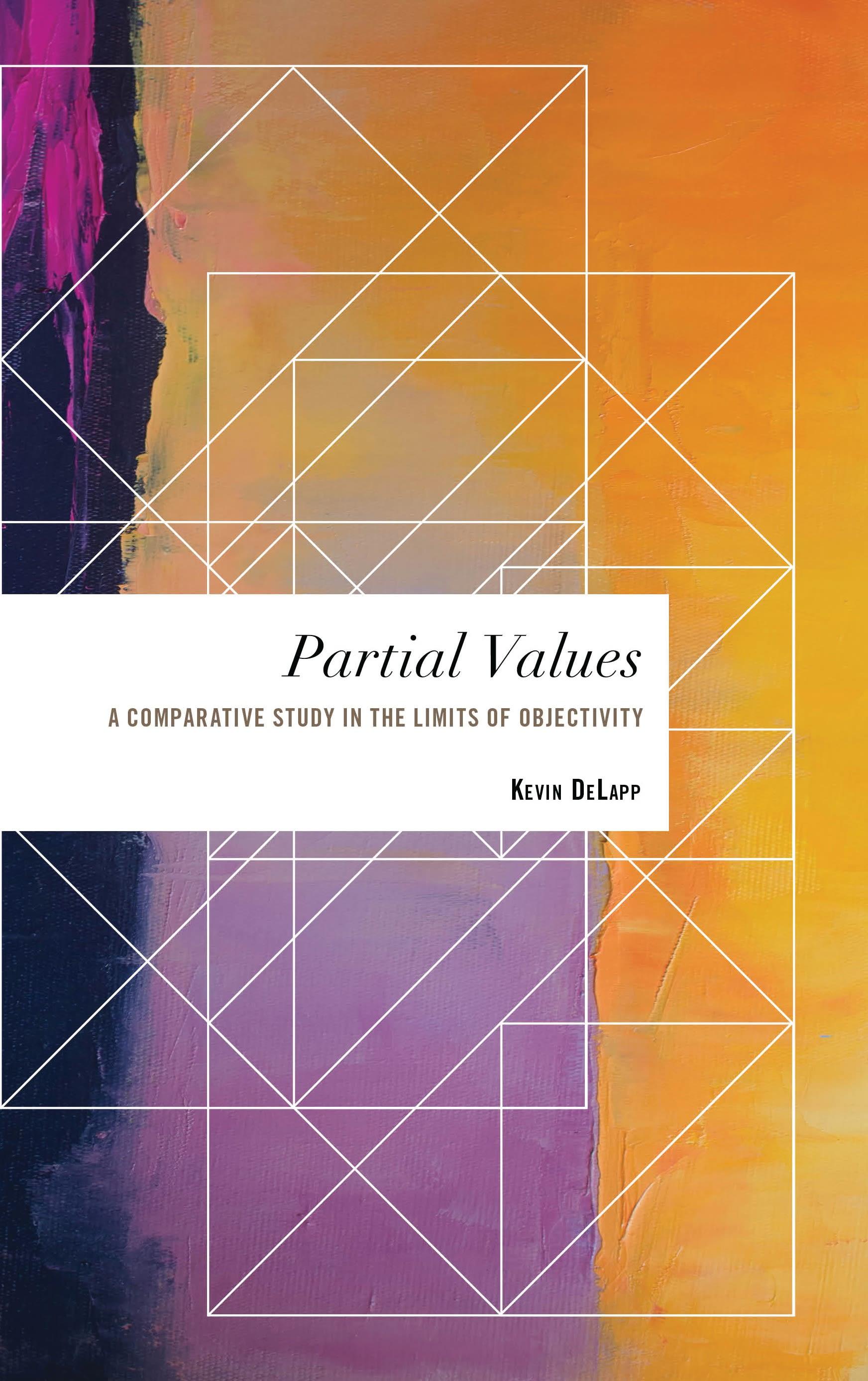
When, if ever, is it permissible to afford special consideration to friends and family? How can we strive to be objective in our thinking, and is this always a feasible or appropriate aim?
This book examines the categories of impartiality and objectivity by showing how they frame certain debates in epistemology, moral psychology, and metaethics, arguing that many traditional conceptions of objectivity fail to capture what is important to our identities as knowers, social beings, and moral agents. A new thesis of ‘perspectival realism’ is offered as a critique of strong objectivity, but in a way that avoids radical subjectivism or relativism. Locally-situated identities can provide their own criteria of epistemic and moral justification, and we may aspire to be impartial in a way that need not sacrifice particular perspectives and relationships. Arguments throughout the book draw heavily on resources from classical Chinese philosophy, and significant attention is given to applications of arguments to
concrete issues in applied ethics, cross-cultural anthropology, and political science.
This book examines the categories of impartiality and objectivity by showing how they frame certain debates in epistemology, moral psychology, and metaethics, arguing that many traditional conceptions of objectivity fail to capture what is important to our identities as knowers, social beings, and moral agents. A new thesis of ‘perspectival realism’ is offered as a critique of strong objectivity, but in a way that avoids radical subjectivism or relativism. Locally-situated identities can provide their own criteria of epistemic and moral justification, and we may aspire to be impartial in a way that need not sacrifice particular perspectives and relationships. Arguments throughout the book draw heavily on resources from classical Chinese philosophy, and significant attention is given to applications of arguments to
concrete issues in applied ethics, cross-cultural anthropology, and political science.
Paga facilmente con carta, Klarna, Apple Pay o Google Pay. Non sei soddisfatto? Hai sempre 14 giorni per il rimborso. Leggi di più nei nostri termini. Per qualsiasi domanda, scrivici a hello@memmo.org.
Memmo rende lo studio più facile, ovunque tu sia nel mondo. Qui trovi i tuoi libri di testo e strumenti di studio intelligenti, tutto in un unico posto: riassunti, quiz, podcast e flashcard. E poi c'è Ted, il tuo compagno di studio che risponde a ogni tua domanda. Oltre 50.000 studenti studiano già qui: è stato creato per aiutarti a imparare più velocemente e a stressarti meno.