
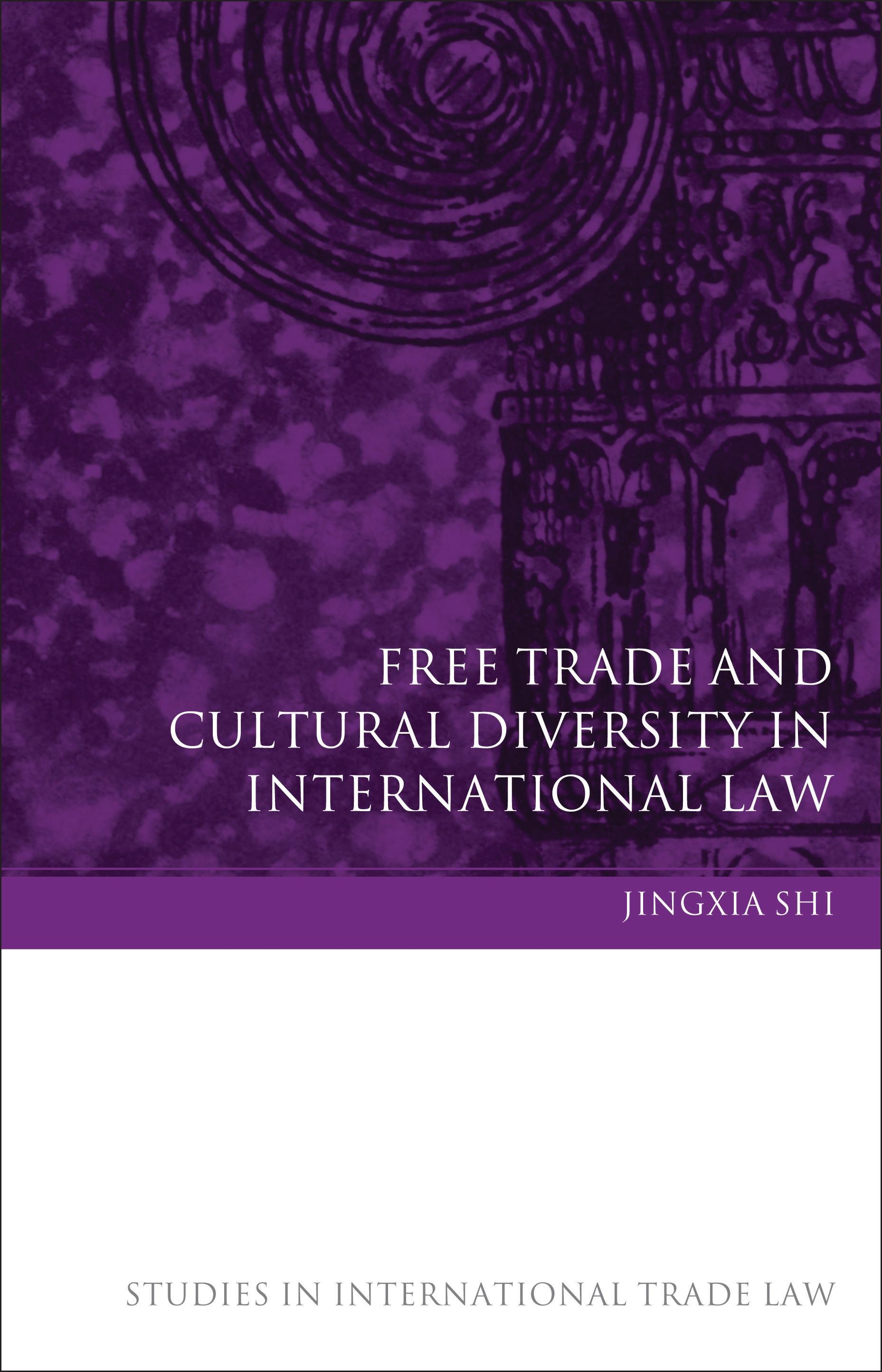
This book attempts to reconcile the concept of free trade with a key non-trade social value - cultural diversity - in an era of economic globalisation. It first shows how we can look at culture in many different ways, and explains why we should care about cultural diversity. The book then examines the challenges that policymakers are faced with in formulating cultural measures in the new media environment, and analyses UNESCO's theories and approaches to cultural diversity.
This is followed by a comprehensive examination of the treatment of 'culture' in global and regional trade agreements, including the framework of the GATT/WTO system, the WTO's judicial practice involving cultural products, and the treatment of culture under the EC/EU and NAFTA. This identifies the challenges trade norms encounter in dealing with cultural products.
The author seeks to formulate a balanced view of the challenge of protecting and promoting cultural diversity while also recognising the important goal of trade liberalisation. To this end Professor Shi proposes a dual method through which the norms found in WTO agreements and in UNESCO cultural instruments may be brought into alignment: the first highlighting the compatibility of cultural policy measures with trade obligations on a domestic level, the second suggesting potential linkages between the WTO rules and the UNESCO Convention from the perspectives of treaty interpretation.
This is followed by a comprehensive examination of the treatment of 'culture' in global and regional trade agreements, including the framework of the GATT/WTO system, the WTO's judicial practice involving cultural products, and the treatment of culture under the EC/EU and NAFTA. This identifies the challenges trade norms encounter in dealing with cultural products.
The author seeks to formulate a balanced view of the challenge of protecting and promoting cultural diversity while also recognising the important goal of trade liberalisation. To this end Professor Shi proposes a dual method through which the norms found in WTO agreements and in UNESCO cultural instruments may be brought into alignment: the first highlighting the compatibility of cultural policy measures with trade obligations on a domestic level, the second suggesting potential linkages between the WTO rules and the UNESCO Convention from the perspectives of treaty interpretation.
Paga facilmente con carta, Klarna, Apple Pay o Google Pay. Non sei soddisfatto? Hai sempre 14 giorni per il rimborso. Leggi di più nei nostri termini. Per qualsiasi domanda, scrivici a hello@memmo.org.
Memmo rende lo studio più facile, ovunque tu sia nel mondo. Qui trovi i tuoi libri di testo e strumenti di studio intelligenti, tutto in un unico posto: riassunti, quiz, podcast e flashcard. E poi c'è Ted, il tuo compagno di studio che risponde a ogni tua domanda. Oltre 50.000 studenti studiano già qui: è stato creato per aiutarti a imparare più velocemente e a stressarti meno.