
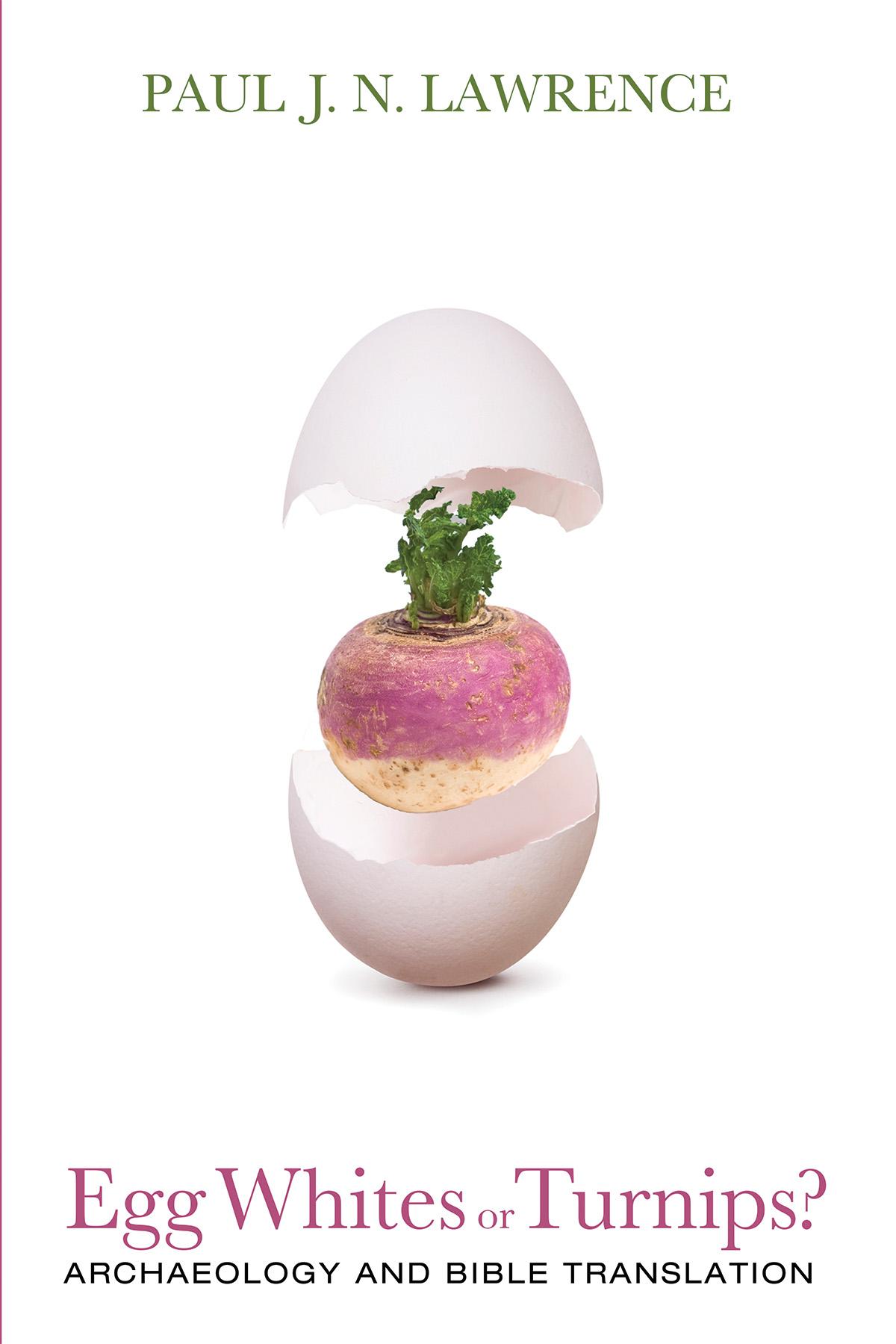
Why are Bible translations so different from each other in places? Don't Bible translators know whether it was peacocks or baboons that King Solomon brought into Israel? Why has "sapphire" been replaced by "lapis lazuli" in some more modern versions? What animal provided the leather for the tabernacle? A badger? A sea cow? Or did the term in question simply mean "leather"?
Can archaeology tell us what David's harp looked like? What is the evidence for leprosy in Bible times? Is there evidence for cotton, silk, and chickens at the time of the Bible?
Answers to these and many other questions are given in this book.
But how are such questions to be answered? Essentially the answer is "from the ground"--what can be called "archaeology." This book explores how, over the past two centuries, archaeology has shed its light on the text of the Bible.
Paga facilmente con carta, Klarna, Apple Pay o Google Pay. Non sei soddisfatto? Hai sempre 14 giorni per il rimborso. Leggi di più nei nostri termini. Per qualsiasi domanda, scrivici a hello@memmo.org.
Memmo rende lo studio più facile, ovunque tu sia nel mondo. Qui trovi i tuoi libri di testo e strumenti di studio intelligenti, tutto in un unico posto: riassunti, quiz, podcast e flashcard. E poi c'è Ted, il tuo compagno di studio che risponde a ogni tua domanda. Oltre 50.000 studenti studiano già qui: è stato creato per aiutarti a imparare più velocemente e a stressarti meno.
Potrebbe interessarti anche
Acquista il libro0