
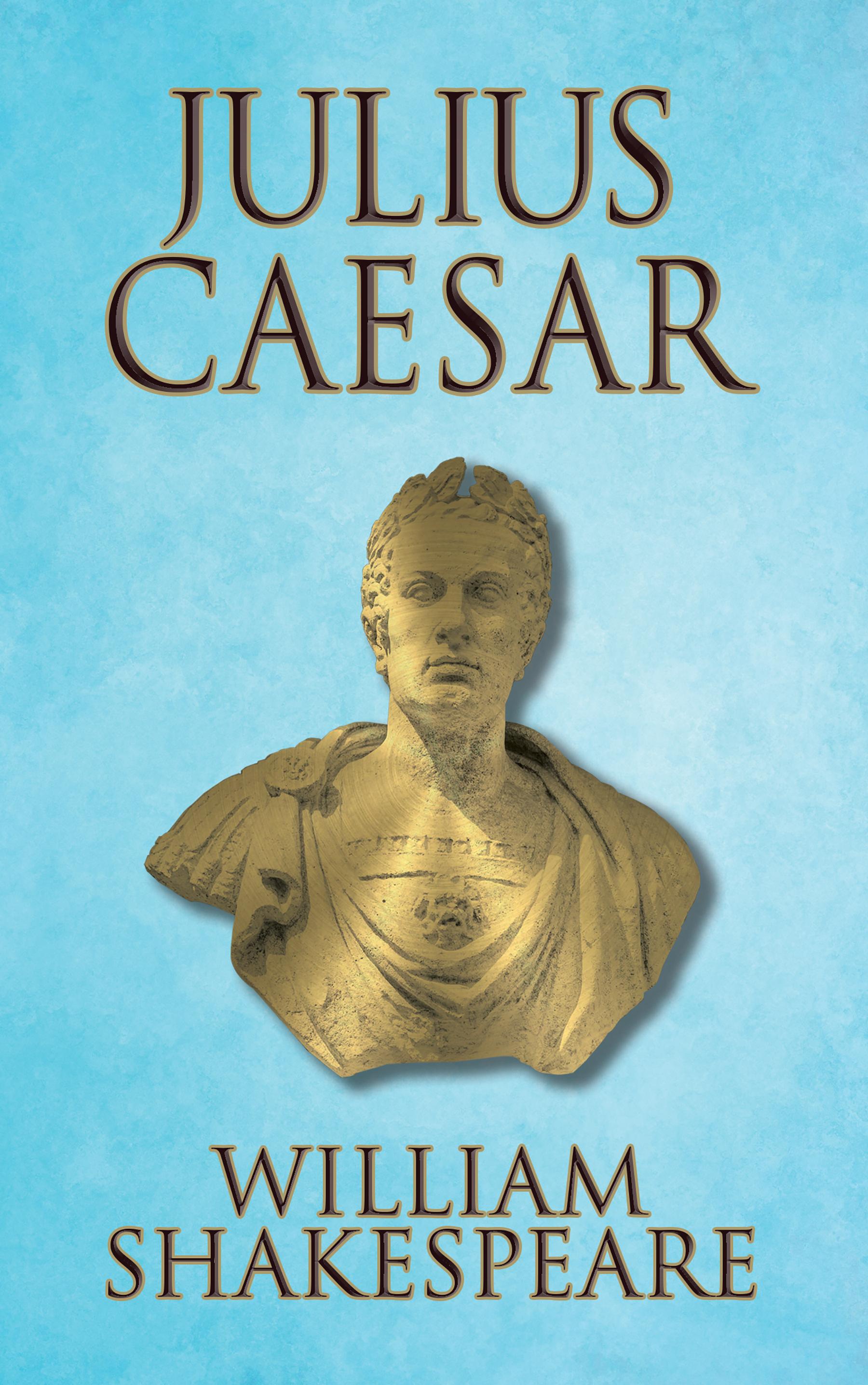
Widely regarded as the greatest playwright in the English language, William Shakespeare wrote the tragedy, Julius Caesar in 1599. It is one of several plays written by Shakespeare based on true events from Roman history. It portrays the conspiracy against Caesar, a Roman dictator, his assassination and its aftermath.
Although the play is named after him, Julius Caesar is not the main character in the play’s action. In fact, he appears in only three scenes, and is killed at the beginning of the third act. The play’s protagonist is Marcus Brutus, and the central psychological drama is his struggle between the conflicting demands of honor, patriotism, and friendship. The play depicts the moral dilemma of Brutus as he joins a conspiracy led by Cassius to murder Julius Caesar to prevent him from becoming dictator of Rome. Shakespeare tells this story of the murder of the emperor and the gruesome aftermath as ancient Rome is thrust into a period of civil war, and the republic which the conspirators sought to preserve is lost forever.
Throughout, Shakespeare explores the effect of power and trust across many characters, those who have it and those who are hungry for it. His richness of detail and the complexity of his characters along with the many memorable lines offering guidance on how to go about building a network of friends and an army of enemies help make this one of the most analyzed and performed of Shakespeare’s plays.
Although the play is named after him, Julius Caesar is not the main character in the play’s action. In fact, he appears in only three scenes, and is killed at the beginning of the third act. The play’s protagonist is Marcus Brutus, and the central psychological drama is his struggle between the conflicting demands of honor, patriotism, and friendship. The play depicts the moral dilemma of Brutus as he joins a conspiracy led by Cassius to murder Julius Caesar to prevent him from becoming dictator of Rome. Shakespeare tells this story of the murder of the emperor and the gruesome aftermath as ancient Rome is thrust into a period of civil war, and the republic which the conspirators sought to preserve is lost forever.
Throughout, Shakespeare explores the effect of power and trust across many characters, those who have it and those who are hungry for it. His richness of detail and the complexity of his characters along with the many memorable lines offering guidance on how to go about building a network of friends and an army of enemies help make this one of the most analyzed and performed of Shakespeare’s plays.
Paga facilmente con carta, Klarna, Apple Pay o Google Pay. Non sei soddisfatto? Hai sempre 14 giorni per il rimborso. Leggi di più nei nostri termini. Per qualsiasi domanda, scrivici a hello@memmo.org.
Memmo rende lo studio più facile, ovunque tu sia nel mondo. Qui trovi i tuoi libri di testo e strumenti di studio intelligenti, tutto in un unico posto: riassunti, quiz, podcast e flashcard. E poi c'è Ted, il tuo compagno di studio che risponde a ogni tua domanda. Oltre 50.000 studenti studiano già qui: è stato creato per aiutarti a imparare più velocemente e a stressarti meno.
Potrebbe interessarti anche
Acquista il libro0