
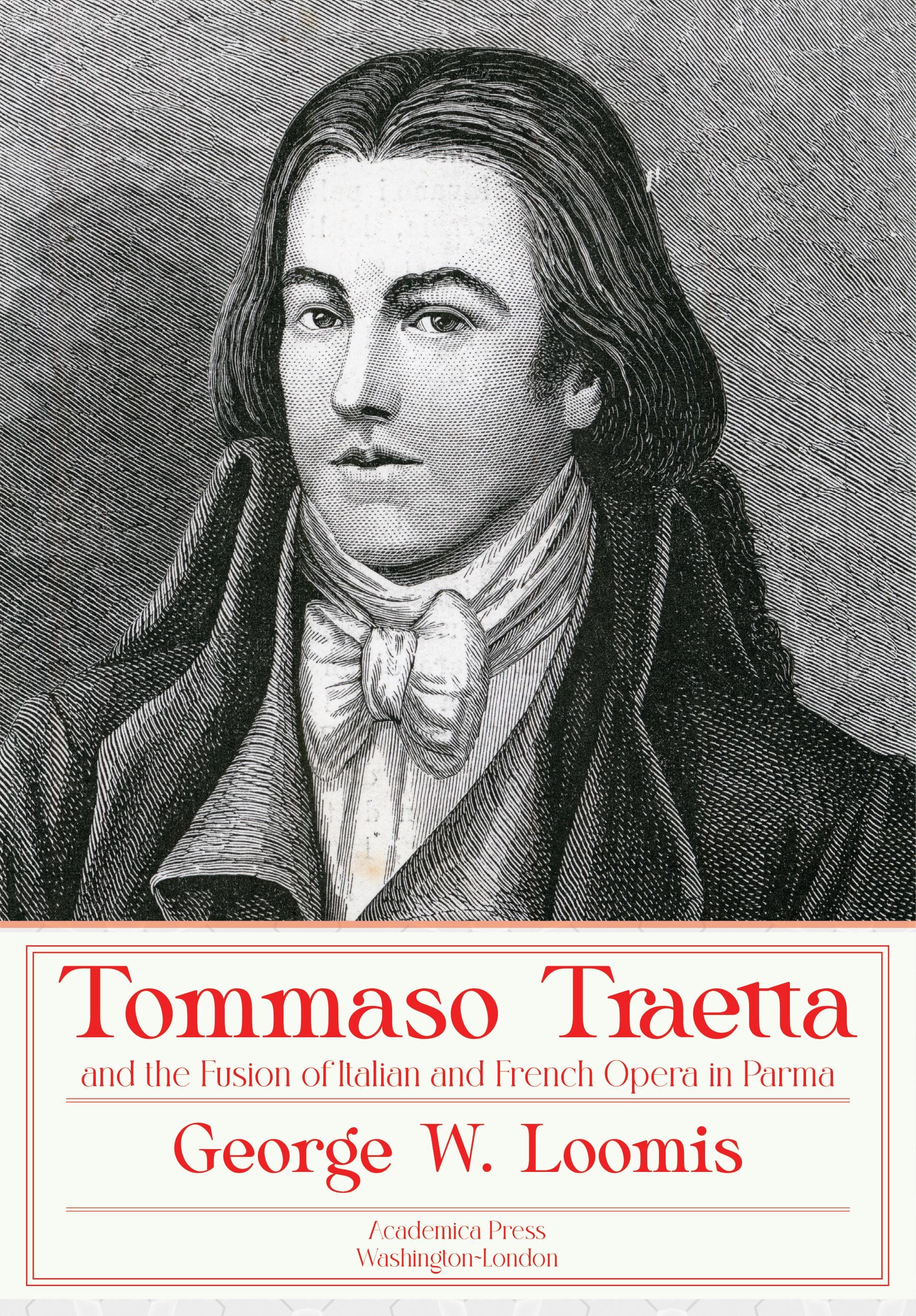
In 1759, the court of the Italian Duchy of Parma adopted the inspiration of cultural creators who recommended a reform of Italian opera along French lines. These writers favored combining Italian-style music with the wider range of musical genres and scenic variety of French opera. As the music critic and commentator George W. Loomis shows in this groundbreaking volume, the young composer Tommaso Traetta was engaged to create new operas responding to these demands.
As Loomis deftly demonstrates, Traetta’s operas were largely oriented toward the formal aria, a byproduct of making Italian music an essential component of this cross-cultural fusion. Nevertheless, they were strikingly innovative in their use of chorus, integrated dance, and accompanied recitative. Structurally, the operas reflect the French distinction between scenes of action and divertissements. After a brief flowering, the project was abandoned, primarily for lack of interest, but Traetta’s Parma operas deserve a previously unrecognized place in the history of Western music for their stimulation of opera seria in Italy and beyond. This included the works of Wolfgang Amadeus Mozart, whose genre-defining Idomeneo (1781) proved a turning point in the development of opera.
Paga facilmente con carta, Klarna, Apple Pay o Google Pay. Non sei soddisfatto? Hai sempre 14 giorni per il rimborso. Leggi di più nei nostri termini. Per qualsiasi domanda, scrivici a hello@memmo.org.
Memmo rende lo studio più facile, ovunque tu sia nel mondo. Qui trovi i tuoi libri di testo e strumenti di studio intelligenti, tutto in un unico posto: riassunti, quiz, podcast e flashcard. E poi c'è Ted, il tuo compagno di studio che risponde a ogni tua domanda. Oltre 50.000 studenti studiano già qui: è stato creato per aiutarti a imparare più velocemente e a stressarti meno.
Potrebbe interessarti anche
Acquista il libro0