
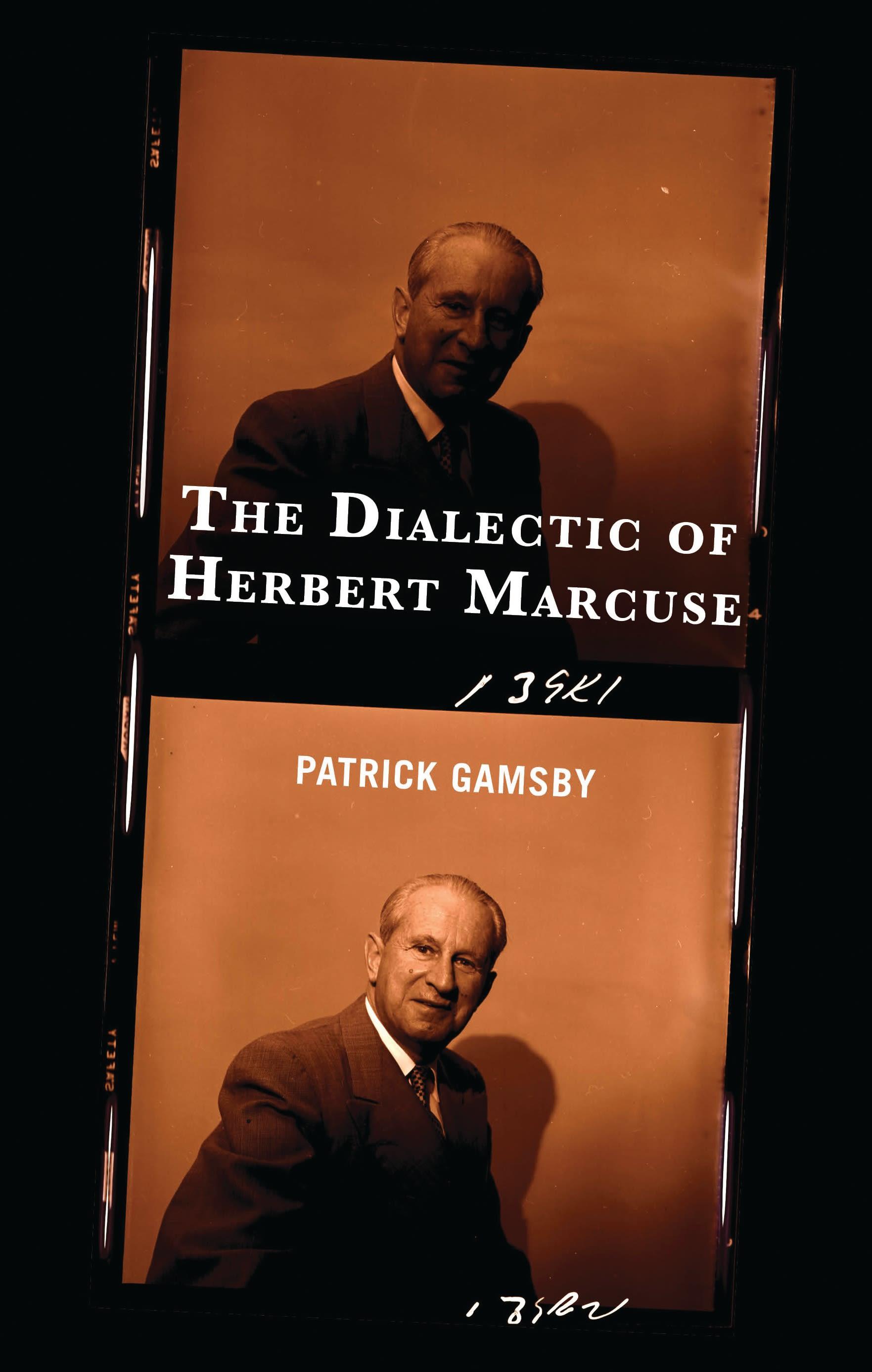
Herbert Marcuse (1898–1979) was one of the most recognizable and controversial public intellectuals throughout the 1960s until his death in the late 1970s, but today Marcuse’s work largely stands in the shadows of other Frankfurt School members and critical thinkers. Despite having once held a prominent and influential position amongst scholars, activists, and readers in the twentieth century, it is argued that Marcuse’s work nevertheless remains largely misunderstood. The Dialectic of Herbert Marcuse offers a new interpretation of Marcuse, one that attempts to show how Marcuse’s work has so often been turned into something else—into its opposite. In shining a light on parts of the unknown Marcuse, through the use of archival material and published works, this book reveals Marcuse’s Critical Theory to be one of hope, not one of pessimism, as it is so often portrayed to be. Ultimately, it is argued that Marcuse’s Critical Theory remains a vital and important body of work for present-day society and ought to be revisited.
Paga facilmente con carta, Klarna, Apple Pay o Google Pay. Non sei soddisfatto? Hai sempre 14 giorni per il rimborso. Leggi di più nei nostri termini. Per qualsiasi domanda, scrivici a hello@memmo.org.
Memmo rende lo studio più facile, ovunque tu sia nel mondo. Qui trovi i tuoi libri di testo e strumenti di studio intelligenti, tutto in un unico posto: riassunti, quiz, podcast e flashcard. E poi c'è Ted, il tuo compagno di studio che risponde a ogni tua domanda. Oltre 50.000 studenti studiano già qui: è stato creato per aiutarti a imparare più velocemente e a stressarti meno.