
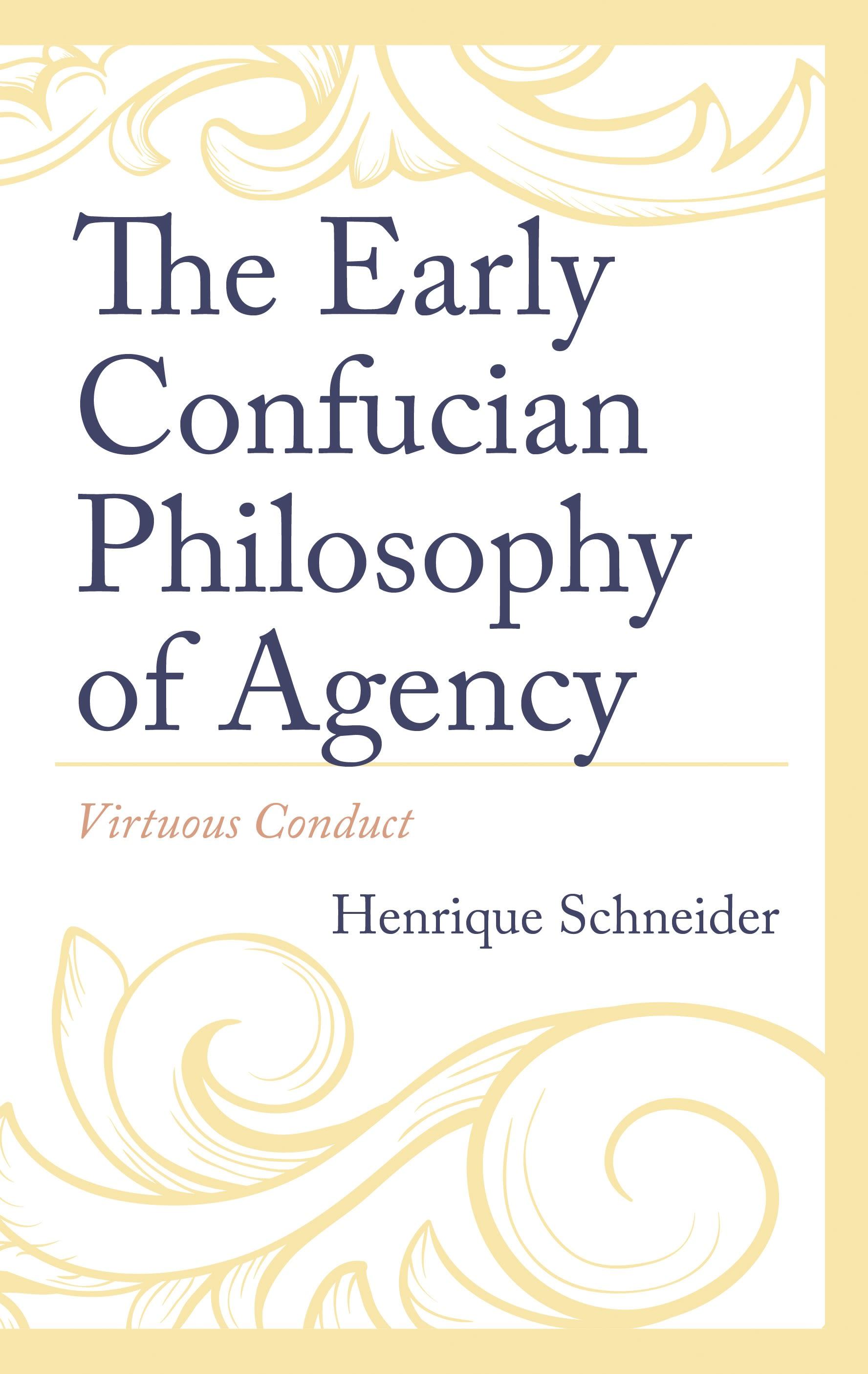
Henrique Schneider argues that understanding the three Early Confucian thinkers—Confucius, Mencius, and Xunzi—as virtue-ethicists, political philosophers, or social conservatives proves too narrow. Championing a broader and more philosophical reading, The Early Confucian Philosophy of Agency: Virtuous Conduct sheds new light on a well-established topic. Virtuous conduct—aligning actions and motivations with virtues, social roles, and rituals—is the philosophy of agency of Early Confucianism. Confucius, Mencius, and Xunzi share a common philosophy of agency, which does more than describe agents and acts: it also represents a progressive social and political program. Schneider characterizes Early Confucianism as a progressive philosophy due to its human-centered program for social reform, its process view of self-cultivation, and its development. Agents who cultivate themselves can produce virtuous conduct, flourish, and become Junzi. This lets them lead each other in self-cultivation, social environment, and polity. As such, virtuous conduct integrates ethics, social and political philosophy in a theory of action.
Paga facilmente con carta, Klarna, Apple Pay o Google Pay. Non sei soddisfatto? Hai sempre 14 giorni per il rimborso. Leggi di più nei nostri termini. Per qualsiasi domanda, scrivici a hello@memmo.org.
Memmo rende lo studio più facile, ovunque tu sia nel mondo. Qui trovi i tuoi libri di testo e strumenti di studio intelligenti, tutto in un unico posto: riassunti, quiz, podcast e flashcard. E poi c'è Ted, il tuo compagno di studio che risponde a ogni tua domanda. Oltre 50.000 studenti studiano già qui: è stato creato per aiutarti a imparare più velocemente e a stressarti meno.