
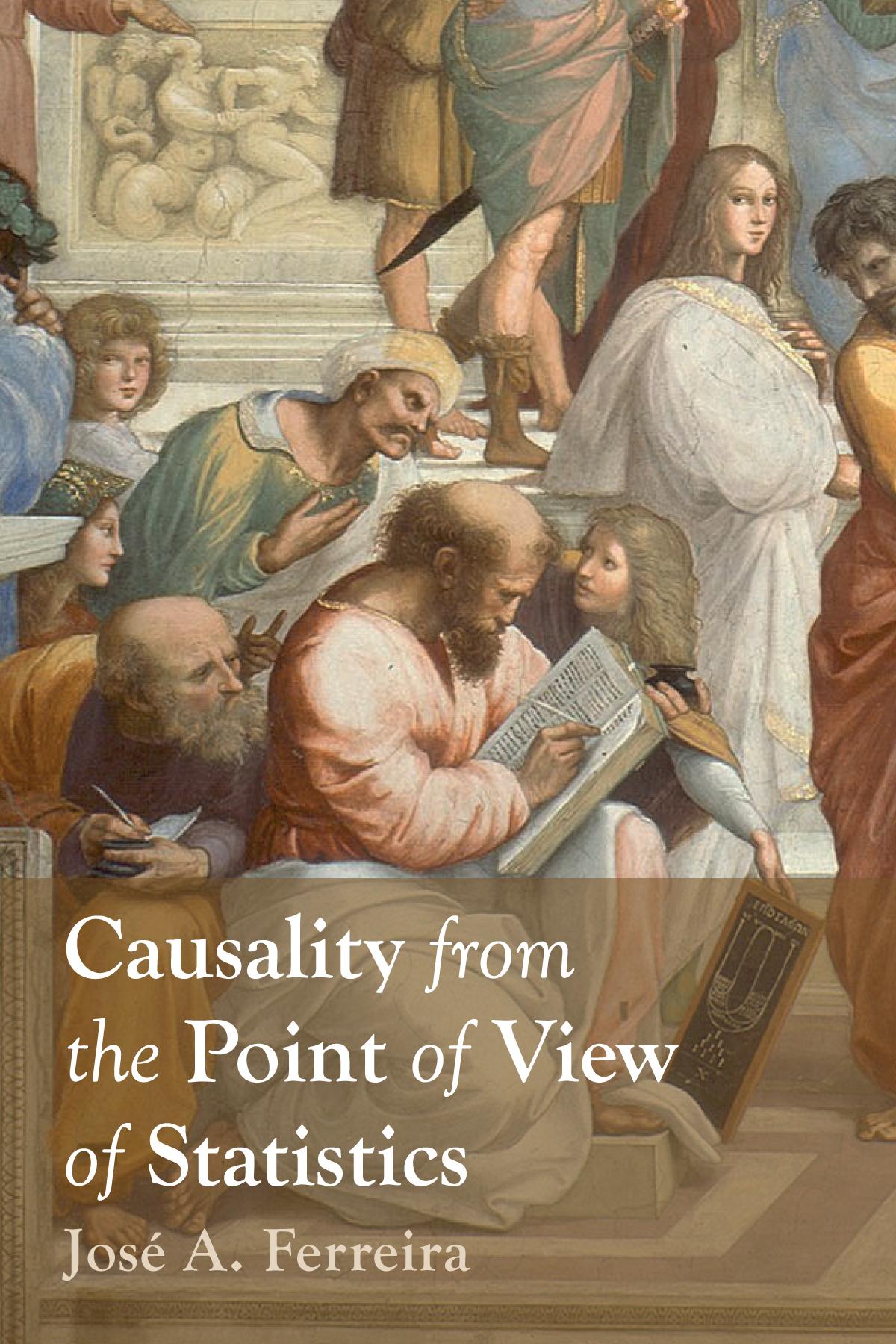
Most are familiar with the adage "correlation does not imply causation." Since much of science is concerned with problems of causality and statistics is so widely used in research, one may wonder whether statistics possesses the tools to study such problems and contribute to their resolution. These were the questions posed over thirty years ago by Pearl, Robins, Rubin, Shafer, etc. when they set out to incorporate notions of causality into statistics theory and develop methods for estimating causal relationships. Since then, the schools of "statistical causality" they founded have produced interesting results and methods that help us think about causality and are potentially useful in real-life problems. Yet, despite its appeal, statistical causality is still disregarded by many "mainstream" statisticians, and its methods are not widely known. In part this is explained by the unorthodox and apparently disparate character of the various schools, in particular by the distinct languages they developed and that are not readily accessible. Thus, even some advanced researchers seemed startled by things like Rubin's "counterfactuals" that in one guise or another appear in all theories but that seem potentially incompatible with Kolmogorov's formalism, the very foundation of statistics. It turns out that statistical causality is firmly rooted in Kolmogorov's axiomatization of probability as the elements required by it are essentially those proposed a century ago by Steinhaus, and, perhaps surprisingly, that statistics has always engaged with causality. The present book makes this plain, providing a basis for statistical causality that subsumes and reconciles the theories of all other schools and that to a mainstream statistician will appear entirely familiar and natural.
Paga facilmente con carta, Klarna, Apple Pay o Google Pay. Non sei soddisfatto? Hai sempre 14 giorni per il rimborso. Leggi di più nei nostri termini. Per qualsiasi domanda, scrivici a hello@memmo.org.
Memmo rende lo studio più facile, ovunque tu sia nel mondo. Qui trovi i tuoi libri di testo e strumenti di studio intelligenti, tutto in un unico posto: riassunti, quiz, podcast e flashcard. E poi c'è Ted, il tuo compagno di studio che risponde a ogni tua domanda. Oltre 50.000 studenti studiano già qui: è stato creato per aiutarti a imparare più velocemente e a stressarti meno.
Potrebbe interessarti anche
Acquista il libro0