
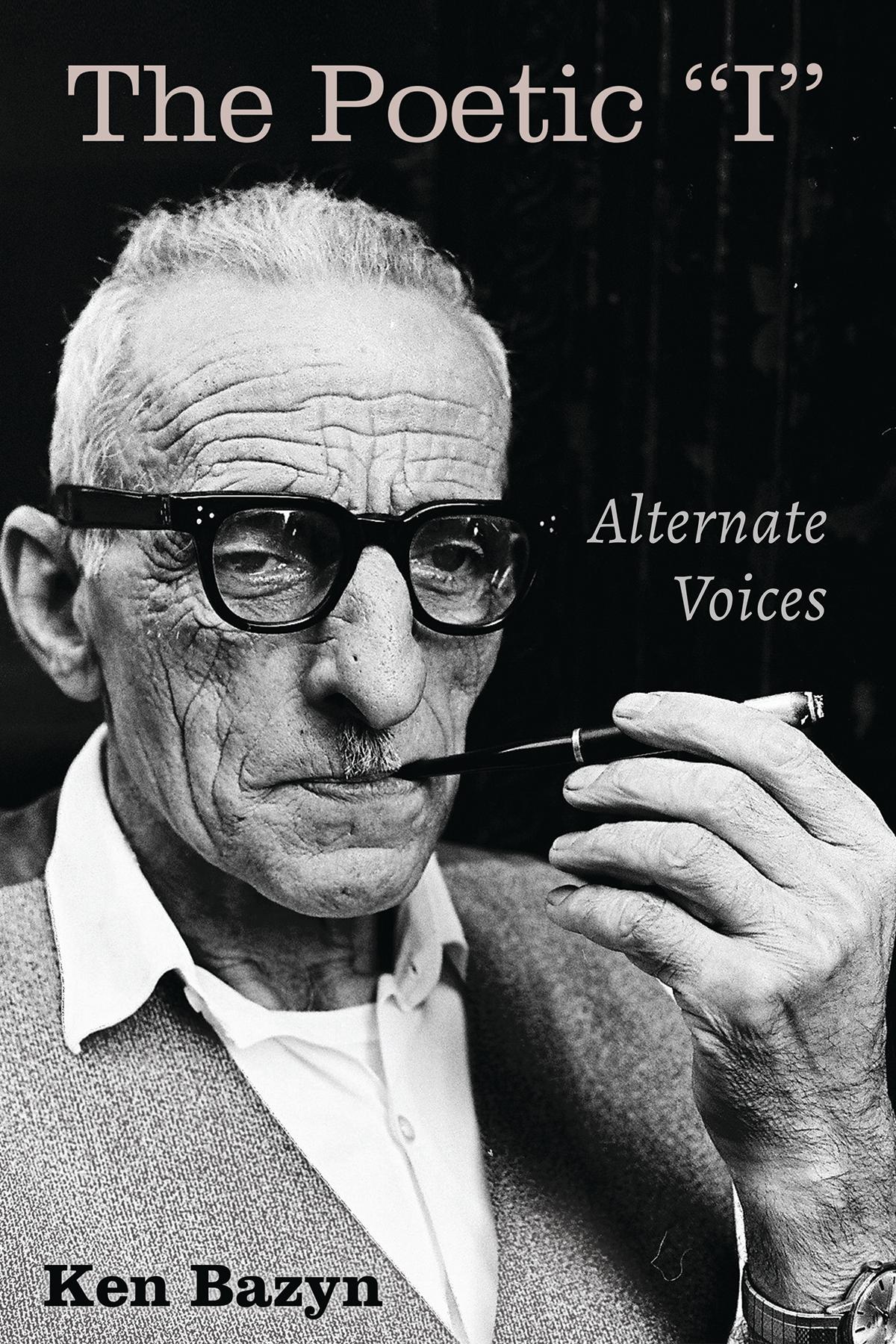
One should never assume that the narrator in a poem is expressing views identical to the author's. "For words, like Nature, half reveal / And half conceal the Soul within," wrote Tennyson. Autobiographical elements tend to be so mixed in with the fictional that lines blur.
Bazyn's revolving carousel of poetic "I's" includes an egotist who makes fun of his arrogance; a baby confused by his wobbly surroundings; the simple joys of a childhood Christmas; youth's dilemma at forging a vocation; the peculiar circumstances surrounding one's first love; reminiscences of a recent class reunion; a period of self-examination following the death of a neighbor; anxiously awaiting a monogrammed invitation; lessons gleaned from closely inspecting nature; exhibiting faith in a secular metropolis; dreaming of a technician's utopia; and the frailty and ragged edges of old age.
The narrator is, by turns, nostalgic, uneasy, speculative, forlorn, elated, discombobulated--representing, as he does, different stages of life, personality types, and psychological moods. Bazyn's language can be mysterious, his sentences follow a winding course, his stanzas end abruptly. Bewitching black-and-white photos accent and enhance each poem's metaphors. As you gaze into this verbal/visual mirror, likenesses of the hidden self emerge and take on unexpected shapes.
Paga facilmente con carta, Klarna, Apple Pay o Google Pay. Non sei soddisfatto? Hai sempre 14 giorni per il rimborso. Leggi di più nei nostri termini. Per qualsiasi domanda, scrivici a hello@memmo.org.
Memmo rende lo studio più facile, ovunque tu sia nel mondo. Qui trovi i tuoi libri di testo e strumenti di studio intelligenti, tutto in un unico posto: riassunti, quiz, podcast e flashcard. E poi c'è Ted, il tuo compagno di studio che risponde a ogni tua domanda. Oltre 50.000 studenti studiano già qui: è stato creato per aiutarti a imparare più velocemente e a stressarti meno.
Potrebbe interessarti anche
Acquista il libro0