
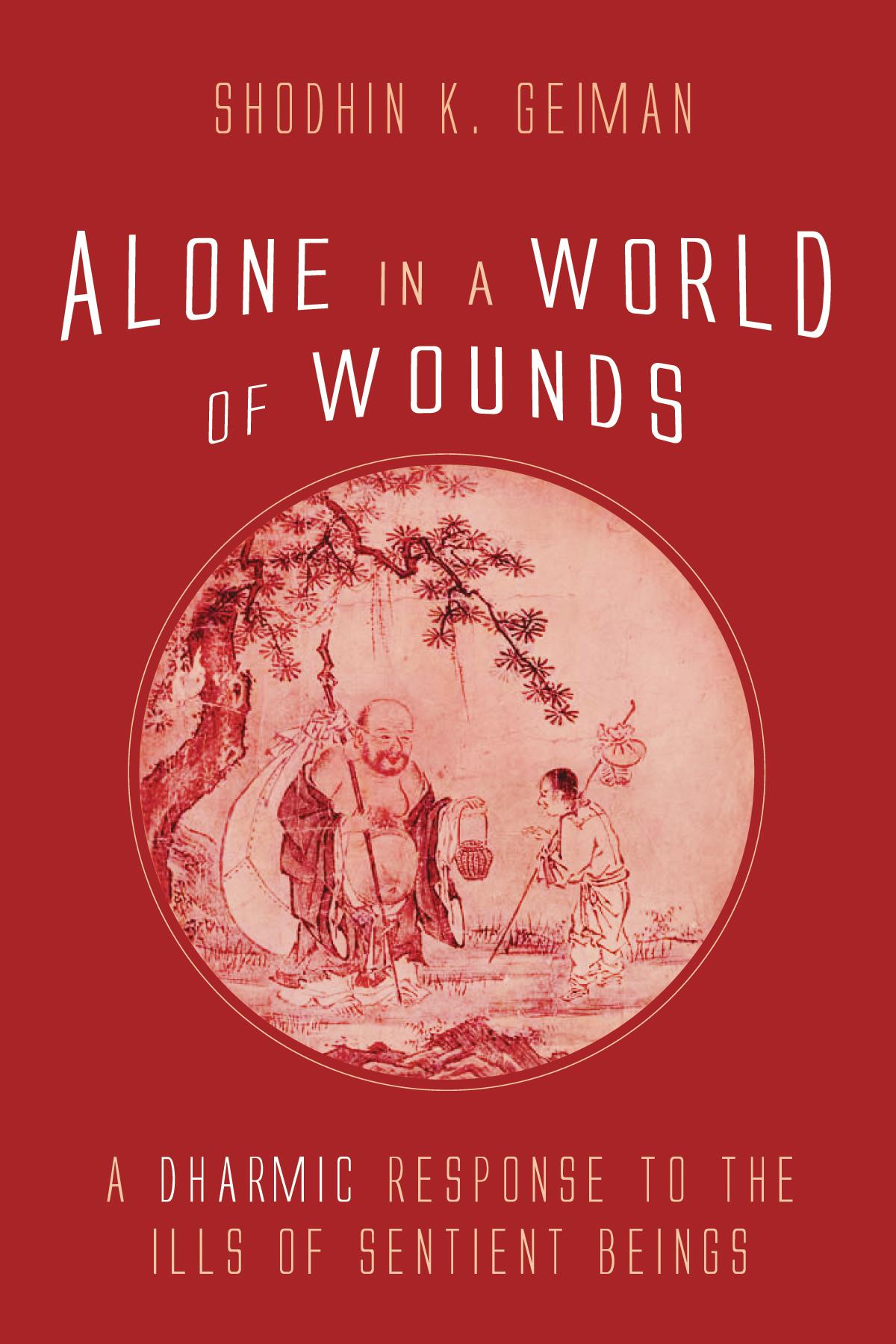
When Buddhism came to the West in the 1960s, many were eager to adapt it straightaway to the prevailing social and intellectual currents of its new home. One of those adaptations was the creation of a "socially engaged" Buddhism that could stand alongside similar developments in Christian and Jewish thought. It seemed like a good idea at the time.
Beginning with what the tradition calls the path of "the holy life," a life free of every attachment to self and the delusions to which it gives rise, Geiman draws attention to the unique contribution the Dharma makes to one's understanding of the world, one's place within it, and the nature of wise and compassionate action in the face of human hardship. Along the way, he shows the limits of using the teaching of the Buddha and the Dharma Ancestors as support for social and political agendas of any kind. What emerges is a description of a noble life free of pretense and guile, which fearlessly and unshakably bears witness to the truth of our conditioned nature in the midst of human hardship--a life best described as standing alone in a world of wounds.
Paga facilmente con carta, Klarna, Apple Pay o Google Pay. Non sei soddisfatto? Hai sempre 14 giorni per il rimborso. Leggi di più nei nostri termini. Per qualsiasi domanda, scrivici a hello@memmo.org.
Memmo rende lo studio più facile, ovunque tu sia nel mondo. Qui trovi i tuoi libri di testo e strumenti di studio intelligenti, tutto in un unico posto: riassunti, quiz, podcast e flashcard. E poi c'è Ted, il tuo compagno di studio che risponde a ogni tua domanda. Oltre 50.000 studenti studiano già qui: è stato creato per aiutarti a imparare più velocemente e a stressarti meno.
Potrebbe interessarti anche
Acquista il libro0