
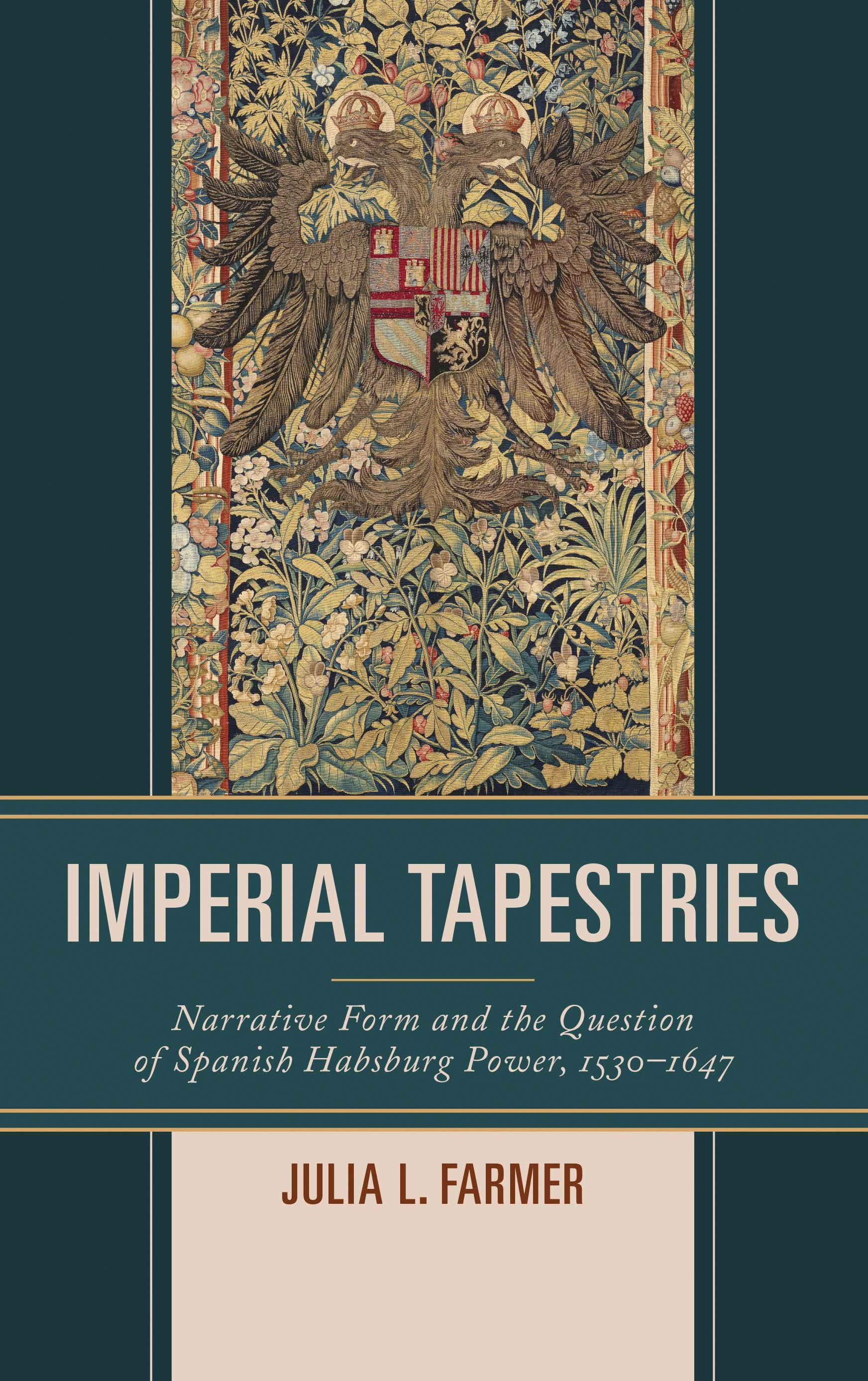
Imperial Tapestries represents a transnational approach to questions of monarchical power and literary form in early modern Europe. In line with Barbara Fuchs’s recent call for considerations of center versus periphery in Old World contexts, it explores the ways in which some of the most significant authors of the early modern era questioned the structures of Spanish Habsburg authority through “imperial texts”—texts that call attention to their organizational process—in order to mirror authors’ perceptions of the structures of Habsburg power.
With a contextual basis in Fuchs’ notion of imperium studies, ideas of self-fashioning, and theories of early modern reading, the study explores the ways in which complex narrative forms in the early modern period reflected the concerns with the structures of Habsburg imperial power subtly portrayed within the narratives themselves. A close reading of the various strands that form the tapestries of the texts at issue reveals a deep undercurrent of misgivings toward various manifestations of Spanish Habsburg power on the part of authors who had experienced its effects first-hand. Whether the complex narrative devices in question cast the Habsburg monarchs as monster, misogynist, sorceress, aloof shepherdess, or mad would-be knight errant, they all have one thing in common: the spatialized forms that they create correspond directly with the ways in which the authors in question perceive the more disillusioning aspects of Habsburg hegemony. Authors studied in the volume include Ludovico Ariosto, Garcilaso de la Vega,Jorge de Montemayor, Miguel de Cervantes, and María de Zayas.
With a contextual basis in Fuchs’ notion of imperium studies, ideas of self-fashioning, and theories of early modern reading, the study explores the ways in which complex narrative forms in the early modern period reflected the concerns with the structures of Habsburg imperial power subtly portrayed within the narratives themselves. A close reading of the various strands that form the tapestries of the texts at issue reveals a deep undercurrent of misgivings toward various manifestations of Spanish Habsburg power on the part of authors who had experienced its effects first-hand. Whether the complex narrative devices in question cast the Habsburg monarchs as monster, misogynist, sorceress, aloof shepherdess, or mad would-be knight errant, they all have one thing in common: the spatialized forms that they create correspond directly with the ways in which the authors in question perceive the more disillusioning aspects of Habsburg hegemony. Authors studied in the volume include Ludovico Ariosto, Garcilaso de la Vega,Jorge de Montemayor, Miguel de Cervantes, and María de Zayas.
Paga facilmente con carta, Klarna, Apple Pay o Google Pay. Non sei soddisfatto? Hai sempre 14 giorni per il rimborso. Leggi di più nei nostri termini. Per qualsiasi domanda, scrivici a hello@memmo.org.
Memmo rende lo studio più facile, ovunque tu sia nel mondo. Qui trovi i tuoi libri di testo e strumenti di studio intelligenti, tutto in un unico posto: riassunti, quiz, podcast e flashcard. E poi c'è Ted, il tuo compagno di studio che risponde a ogni tua domanda. Oltre 50.000 studenti studiano già qui: è stato creato per aiutarti a imparare più velocemente e a stressarti meno.