
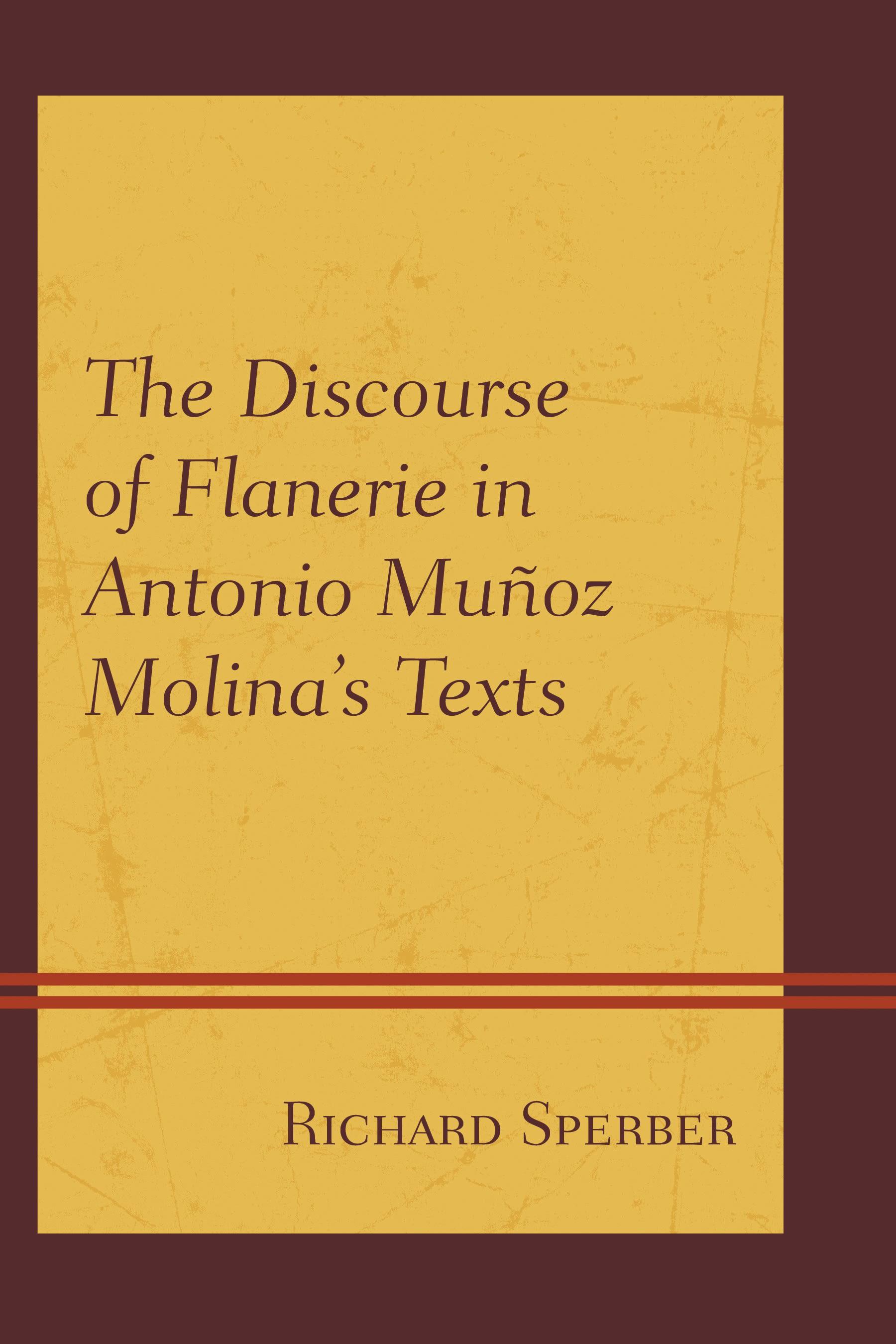
Edgar Allan Poe, Charles Baudelaire, and Walter Benjamin have shown that flanerie is anything but an aimless stroll. Walking through London, Paris, and Berlin entailed engagements with the latest modernity. Thought-provoking, exhilarating, and at times terrifying: flanerie adjusted to and documented the mobility of modernity, its aesthetic possibilities and social risks. Antonio Muñoz Molina is one of several contemporary authors who have closely coupled the development of their literary characters to urban perambulations. Their biographic growth, cultural and social adaptations, as well as epistemological insights are so dependent on flanerie that his late twentieth and early twenty-first-century texts warrant the designation flaneur literature. Muñoz Molina has also contributed to the current decentralization of flaneur literature from Paris to smaller cities, including Spanish cities like Granada, Córdoba, and San Sebastián. Reflecting on Poe, Baudelaire, and Benjamin in these cities, his characters update and revise the canon of flaneur literature, stretching its discursive boundaries. This study examines not only the mobility of his characters but also draws attention to intercultural aspects of his flaneur literature which lie both in a uniquely Spanish perspective on flanerie as well as in engagements with cultural otherness. Walking through a Moroccan city or through Chinatown in New York, Muñoz Molina’s characters broaden the Eurocentric horizon of canonical flaneur literature and the modernist one of his Spanish flaneur precursor, Federico García Lorca, whose portrait of New York is revisited in Muñoz Molina’s longest flaneur text. National and literary boundaries blur as intercultural urban spaces transform his characters into transnational subjects. This study traces the author’s struggle with this globalization: a residual rural nostalgia straddles uneasily with forays into filmic flanerie, a form of spectatorship that renders the flaneur newly mobile in the mass-mediatized environments of postmodernity. If Muñoz Molina is generally regarded as an incisive chronicler of Spain’s transition from Francoism to democracy and an attentive memorialist of the Spanish Civil War, this study bases its portrait of a much more globally engaged Muñoz Molina in his characters’ movements from Spain into the urban centers of Euro-American postmodernity and its northern African periphery.
Pagine: 330
Categoria: Litteraturvetenskap & Teori
e-ISBN: 9781611487008
Peso di spedizione: 1.2 kg
Spedito in: 1-2 giorni
Paga facilmente con carta, Klarna, Apple Pay o Google Pay. Non sei soddisfatto? Hai sempre 14 giorni per il rimborso. Leggi di più nei nostri termini. Per qualsiasi domanda, scrivici a hello@memmo.org.
Memmo rende lo studio più facile, ovunque tu sia nel mondo. Qui trovi i tuoi libri di testo e strumenti di studio intelligenti, tutto in un unico posto: riassunti, quiz, podcast e flashcard. E poi c'è Ted, il tuo compagno di studio che risponde a ogni tua domanda. Oltre 50.000 studenti studiano già qui: è stato creato per aiutarti a imparare più velocemente e a stressarti meno.