
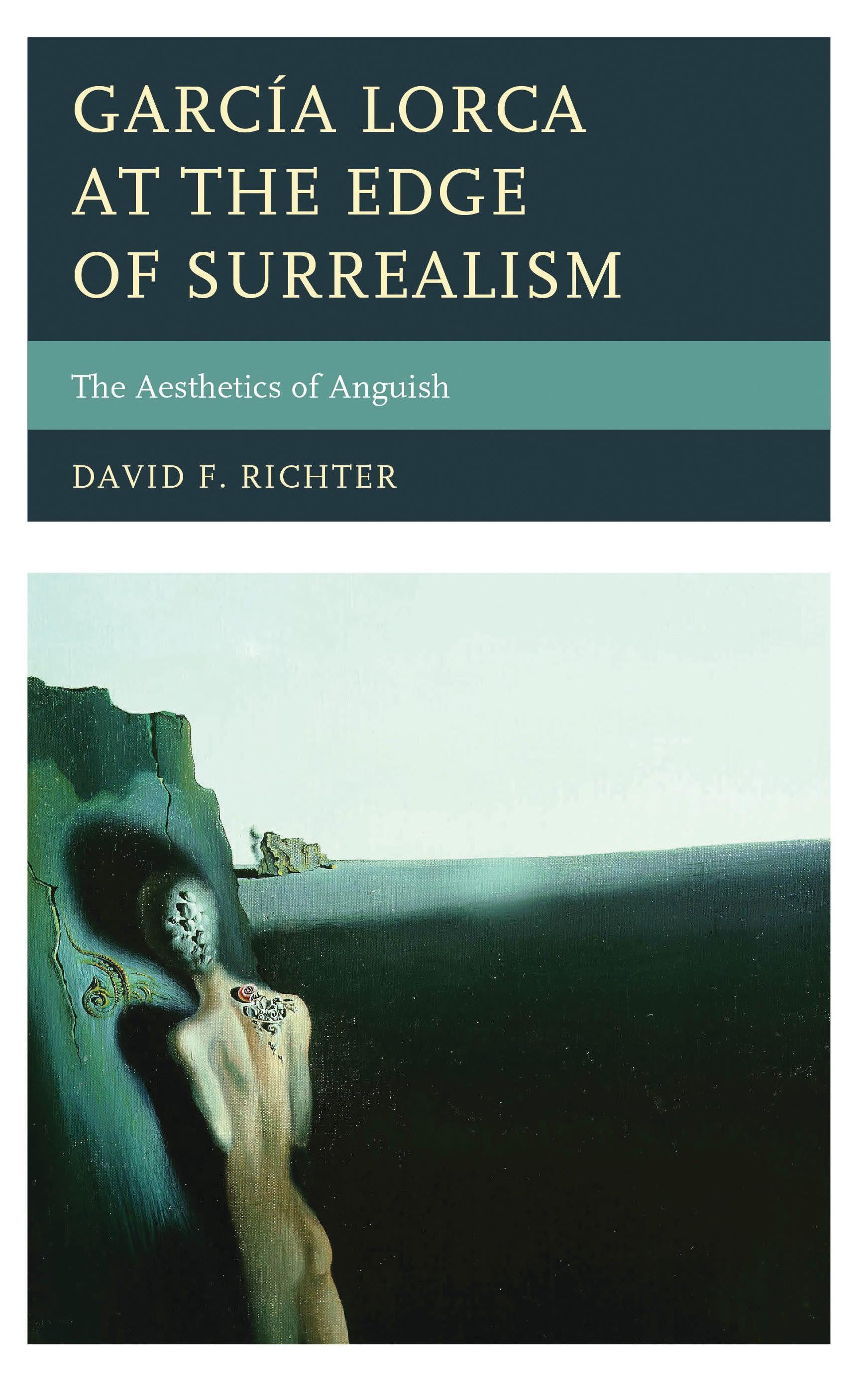
García Lorca at the Edge of Surrealism: The Aesthetics of Anguish examines the variations of surrealism and surrealist theories in the Spanish context, studied through the poetry, drama, and drawings of Federico García Lorca (1898–1936). In contrast to the idealist and subconscious tenets espoused by surrealist leader André Breton, which focus on the marvelous, automatic creative processes, and sublimated depictions of reality, Lorca’s surrealist impulse follows a trajectory more in line with the theories of French intellectuals such as Georges Bataille (1897–1962), who was expelled from Breton’s authoritative group. Bataille critiques the lofty goals and ideals of Bretonian surrealism in the pages of the cultural and anthropological review Documents (1929–1930) in terms of a dissident surrealist ethno-poetics. This brand of the surreal underscores the prevalence of the bleak or darker aspects of reality: crisis, primitive sacrifice, the death drive, and the violent representation of existence portrayed through formless base matter such as blood, excrement, and fragmented bodies.
The present study demonstrates that Bataille’s theoretical and poetic expositions, including those dealing with l’informe (the formless) and the somber emptiness of the void, engage the trauma and anxiety of surrealist expression in Spain, particularly with reference to the anguish, desire, and death that figure so prominently in Spanish texts of the 1920s and 1930s often qualified as “surrealist.” Drawing extensively on the theoretical, cultural, and poetic texts of the period, García Lorca at the Edge of Surrealism offers the first book-length consideration of Bataille’s thinking within the Spanish context, examined through the work of Lorca, a singular proponent of what is here referred to as a dissident Spanish surrealism. By reading Lorca’s “surrealist” texts (including Poetaen Nueva York,Viaje a la luna, and El público) through the Bataillean lens, this volume both amplifies our understanding of the poetry and drama of one of the most important Spanish writers of the twentieth century and expands our perspective of what surrealism in Spain means.
The present study demonstrates that Bataille’s theoretical and poetic expositions, including those dealing with l’informe (the formless) and the somber emptiness of the void, engage the trauma and anxiety of surrealist expression in Spain, particularly with reference to the anguish, desire, and death that figure so prominently in Spanish texts of the 1920s and 1930s often qualified as “surrealist.” Drawing extensively on the theoretical, cultural, and poetic texts of the period, García Lorca at the Edge of Surrealism offers the first book-length consideration of Bataille’s thinking within the Spanish context, examined through the work of Lorca, a singular proponent of what is here referred to as a dissident Spanish surrealism. By reading Lorca’s “surrealist” texts (including Poetaen Nueva York,Viaje a la luna, and El público) through the Bataillean lens, this volume both amplifies our understanding of the poetry and drama of one of the most important Spanish writers of the twentieth century and expands our perspective of what surrealism in Spain means.
Paga facilmente con carta, Klarna, Apple Pay o Google Pay. Non sei soddisfatto? Hai sempre 14 giorni per il rimborso. Leggi di più nei nostri termini. Per qualsiasi domanda, scrivici a hello@memmo.org.
Memmo rende lo studio più facile, ovunque tu sia nel mondo. Qui trovi i tuoi libri di testo e strumenti di studio intelligenti, tutto in un unico posto: riassunti, quiz, podcast e flashcard. E poi c'è Ted, il tuo compagno di studio che risponde a ogni tua domanda. Oltre 50.000 studenti studiano già qui: è stato creato per aiutarti a imparare più velocemente e a stressarti meno.