
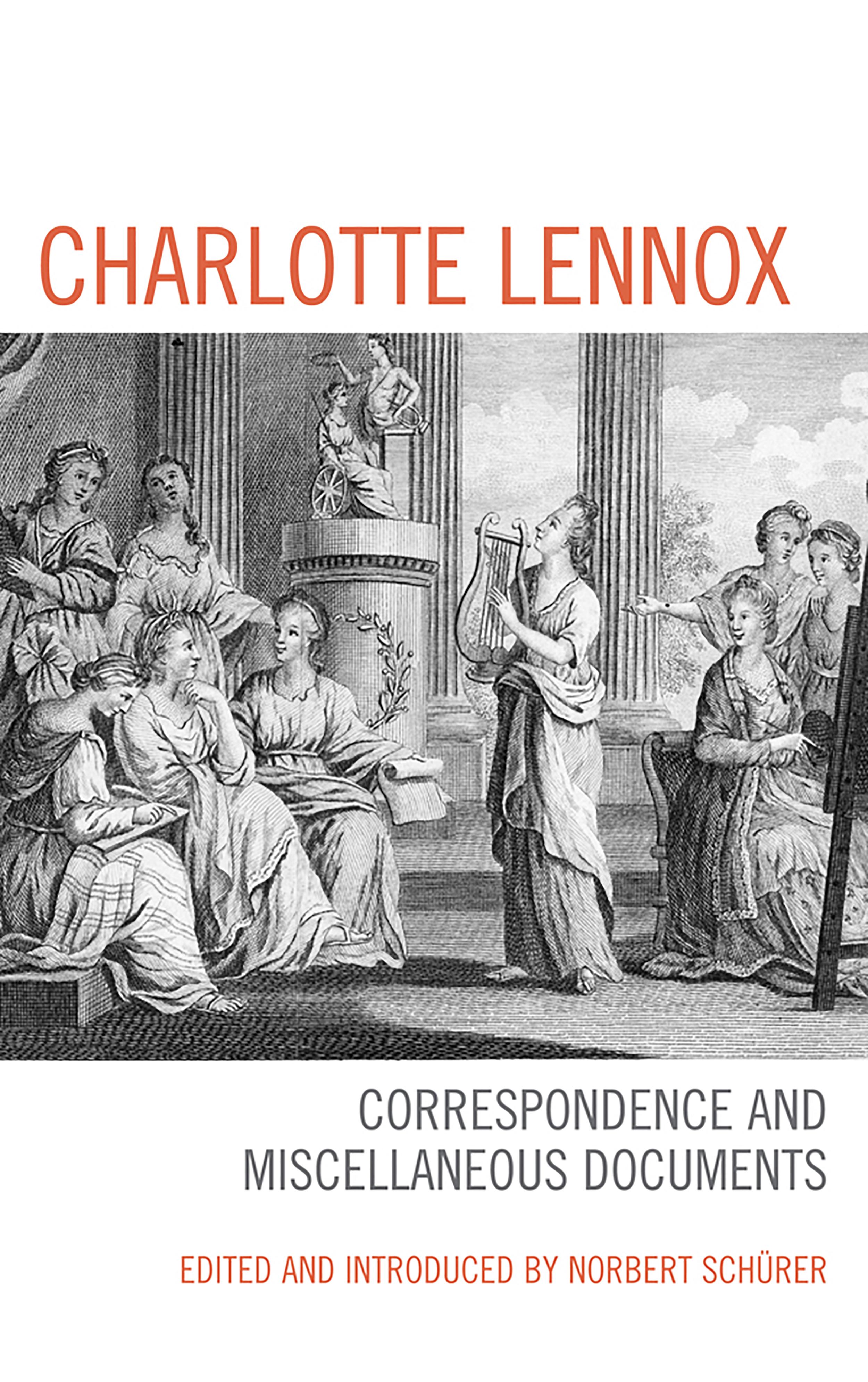
This volume compiles and annotates for the first time the complete correspondence of the eighteenth-century British author Charlotte Lennox, best known for her novel The Female Quixote. Lennox corresponded with famous contemporaries from different walks of life such as James Boswell, David Garrick, Samuel Johnson, and Sir Joshua Reynolds, and she interacted with many other influential figures including her patroness the Countess of Bute, publisher Andrew Millar, and the Reverend Thomas Winstanley. In addition to Lennox’s and her correspondents’ letters, this book presents related documents such as the author’s proposals for subscription editions of her works, her file with the Royal Literary Fund, and a series of poems and stories supposedly composed by her son but perhaps written by herself. In these carefully and extensively annotated documents, Charlotte Lennox traces the vagaries in the career of a female writer in the male-dominated eighteenth-century literary marketplace.
The introduction situates Lennox in the context of contemporaneous print culture and specifically examines the contentious question of the authorship of The Female Quixote, Lennox’s experimentation with various forms of publication, and her appeals for charity to the Royal Literary Fund when she was impoverished towards the end of her life. The author who emerges from Charlotte Lennox was an active, assertive, innovative, and independent woman trying to find her place—and make a literary career—in eighteenth-century Britain. Thus, this volume makes an important contribution to the history of female authorship, literary history, and eighteenth-century studies.
The introduction situates Lennox in the context of contemporaneous print culture and specifically examines the contentious question of the authorship of The Female Quixote, Lennox’s experimentation with various forms of publication, and her appeals for charity to the Royal Literary Fund when she was impoverished towards the end of her life. The author who emerges from Charlotte Lennox was an active, assertive, innovative, and independent woman trying to find her place—and make a literary career—in eighteenth-century Britain. Thus, this volume makes an important contribution to the history of female authorship, literary history, and eighteenth-century studies.
Paga facilmente con carta, Klarna, Apple Pay o Google Pay. Non sei soddisfatto? Hai sempre 14 giorni per il rimborso. Leggi di più nei nostri termini. Per qualsiasi domanda, scrivici a hello@memmo.org.
Memmo rende lo studio più facile, ovunque tu sia nel mondo. Qui trovi i tuoi libri di testo e strumenti di studio intelligenti, tutto in un unico posto: riassunti, quiz, podcast e flashcard. E poi c'è Ted, il tuo compagno di studio che risponde a ogni tua domanda. Oltre 50.000 studenti studiano già qui: è stato creato per aiutarti a imparare più velocemente e a stressarti meno.