
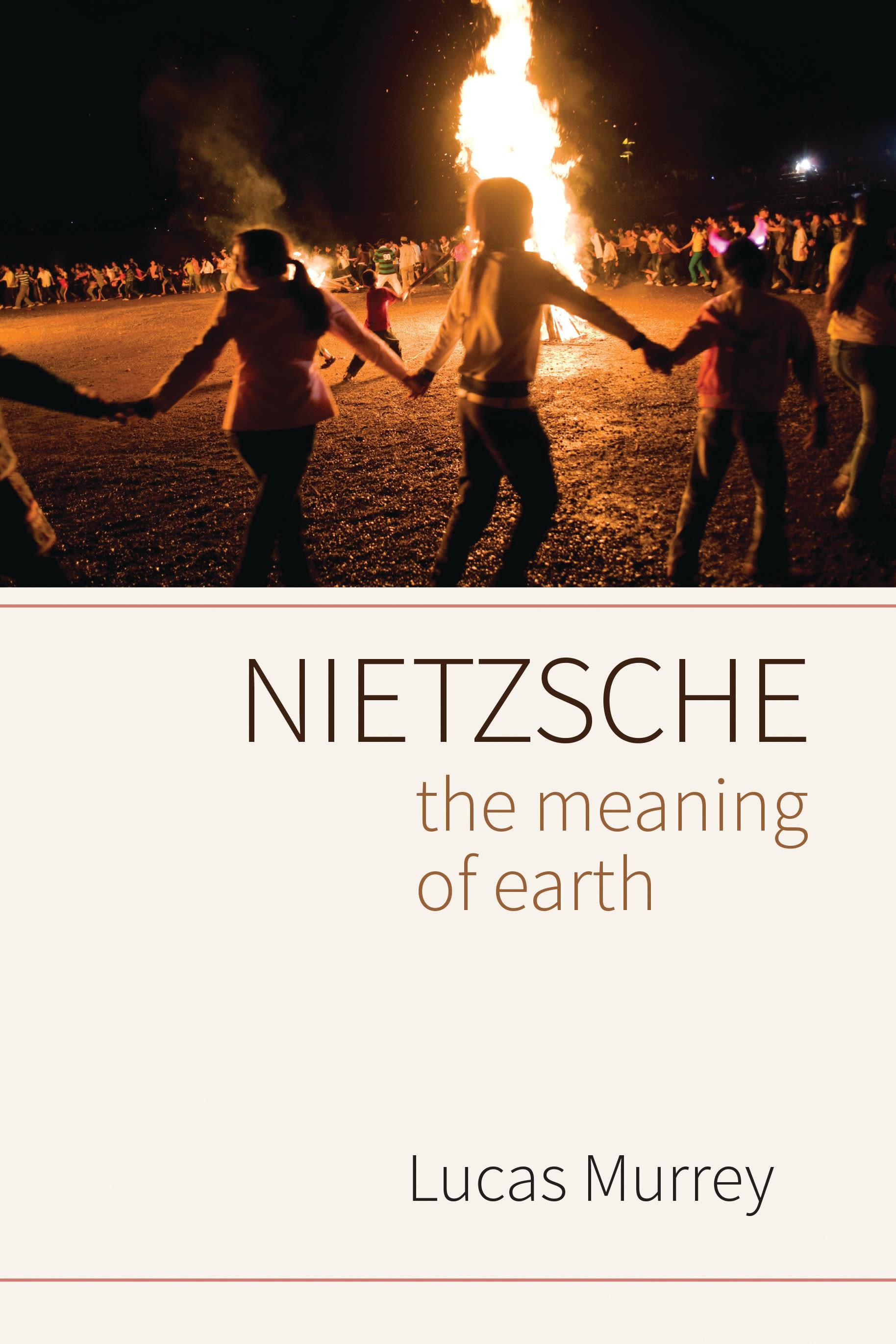
In this book, author Lucas Murrey argues that the thinking of the modern German philosopher Friedrich Nietzsche (1944–1900) is not only more grounded in antiquity than previously understood, but is also based on the Dionysian spirit of Greece which scholars have still to confront. This book demonstrates that Nietzsche’s philosophy is unique within Western thought as it retrieves the politics of a Dionysiac model and language to challenge the alienation of humans from nature and one another.
Murrey develops here a new picture of Greece, reminding readers how money emerged and rapidly developed in Greece during the sixth century B.C.E. The event of monetization created the new art form of tragedy: money-tyrants struggling against the forces of earth and communities who consequently suffered isolation, blindness, and death. As Murrey points out, Nietzsche (unconsciously) retrieves the battle among money, nature, and community and adapts its lessons to our time. Additionally, Nietzsche’s philosophy not only adapts the wisdom of Dionysus to question the unlimited “glow and fuel” of a “ponderous herd” of money-tyrants today, but it also draws attention to Greece’s warnings about the lethal danger of the eyes in myth, cult, and theatre.
This work introduces a much needed vision of Nietzschean thought, and it emphasizes the relevance of an interdisciplinary approach combining philosophy with literary studies and psychology with religious and visual/media studies. When applied to our present circumstance, the approach of this book reveals how a dangerous visual culture, through its support of the limitlessness of money, is harming our relationship with nature and each other.
Murrey develops here a new picture of Greece, reminding readers how money emerged and rapidly developed in Greece during the sixth century B.C.E. The event of monetization created the new art form of tragedy: money-tyrants struggling against the forces of earth and communities who consequently suffered isolation, blindness, and death. As Murrey points out, Nietzsche (unconsciously) retrieves the battle among money, nature, and community and adapts its lessons to our time. Additionally, Nietzsche’s philosophy not only adapts the wisdom of Dionysus to question the unlimited “glow and fuel” of a “ponderous herd” of money-tyrants today, but it also draws attention to Greece’s warnings about the lethal danger of the eyes in myth, cult, and theatre.
This work introduces a much needed vision of Nietzschean thought, and it emphasizes the relevance of an interdisciplinary approach combining philosophy with literary studies and psychology with religious and visual/media studies. When applied to our present circumstance, the approach of this book reveals how a dangerous visual culture, through its support of the limitlessness of money, is harming our relationship with nature and each other.
Paga facilmente con carta, Klarna, Apple Pay o Google Pay. Non sei soddisfatto? Hai sempre 14 giorni per il rimborso. Leggi di più nei nostri termini. Per qualsiasi domanda, scrivici a hello@memmo.org.
Memmo rende lo studio più facile, ovunque tu sia nel mondo. Qui trovi i tuoi libri di testo e strumenti di studio intelligenti, tutto in un unico posto: riassunti, quiz, podcast e flashcard. E poi c'è Ted, il tuo compagno di studio che risponde a ogni tua domanda. Oltre 50.000 studenti studiano già qui: è stato creato per aiutarti a imparare più velocemente e a stressarti meno.