
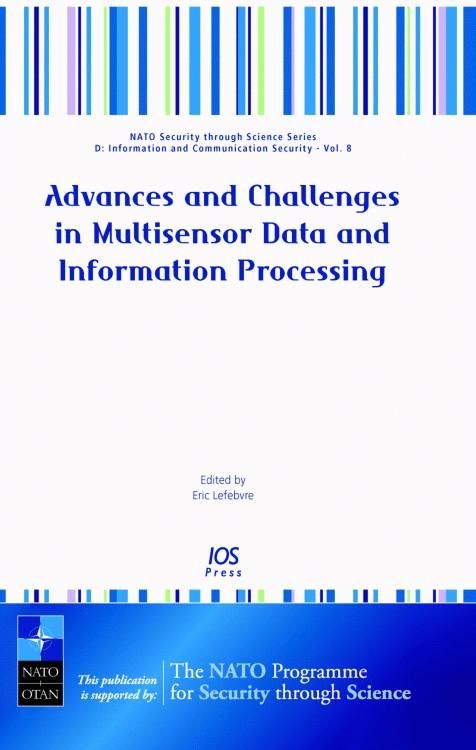
Information fusion resulting from multi-source processing, often called multisensor data fusion when sensors are the main sources of information, is a relatively young (less than 20 years) technology domain. It provides techniques and methods for: Integrating data from multiple sources and using the complementarity of this data to derive maximum information about the phenomenon being observed; Analyzing and deriving the meaning of these observations; Selecting the best course of action; and Controlling the actions. Various sensors have been designed to detect some specific phenomena, but not others. Data fusion applications can combine synergically information from many sensors, including data provided by satellites and contextual and encyclopedic knowledge, to provide enhanced ability to detect and recognize anomalies in the environment, compared with conventional means. Data fusion is an integral part of multisensor processing, but it can also be applied to fuse non-sensor information (geopolitical, intelligence, etc.) to provide decision support for a timely and effective situation and threat assessment. One special field of application for data fusion is satellite imagery, which can provide extensive information over a wide area of the electromagnetic spectrum using several types of sensors (Visible, Infra-Red (IR), Thermal IR, Radar, Synthetic Aperture Radar (SAR), Polarimetric SAR (PolSAR), Hyperspectral...). Satellite imagery provides the coverage rate needed to identify and monitor human activities from agricultural practices (land use, crop types identification...) to defence-related surveillance (land/sea target detection and classification). By acquiring remotely sensed imagery over earth regions that land sensors cannot access, valuable information can be gathered for the defence against terrorism. This books deals with the following research areas: Target recognition/classification and tracking; Sensor systems; Image processing; Remote sensing and remote control; Belief functions theory; and Situation assessment.
Paga facilmente con carta, Klarna, Apple Pay o Google Pay. Non sei soddisfatto? Hai sempre 14 giorni per il rimborso. Leggi di più nei nostri termini. Per qualsiasi domanda, scrivici a hello@memmo.org.
Memmo rende lo studio più facile, ovunque tu sia nel mondo. Qui trovi i tuoi libri di testo e strumenti di studio intelligenti, tutto in un unico posto: riassunti, quiz, podcast e flashcard. E poi c'è Ted, il tuo compagno di studio che risponde a ogni tua domanda. Oltre 50.000 studenti studiano già qui: è stato creato per aiutarti a imparare più velocemente e a stressarti meno.