
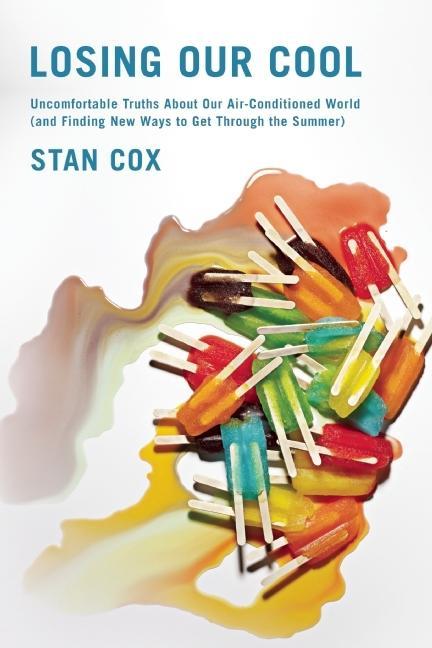
Losing our Cool shows how indoor climate control is colliding with an out-of-control outdoor climate. In America, energy consumed by home air-conditioning, and the resulting greenhouse emissions, have doubled in just over a decade, and energy to cool retail stores has risen by two-thirds. Now the entire affluent world is adopting the technology. As the biggest economic crisis in eighty years rolls across the globe, financial concerns threaten to shove ecological crises into the background. Reporting from some of the world's hot zones—from Phoenix, Arizona, and Naples, Florida, to southern India—Cox documents the surprising ways in which air-conditioning changes human experience: giving a boost to the global warming that it is designed to help us endure, providing a potent commercial stimulant, making possible an impossible commuter economy, and altering migration patterns (air-conditioning has helped alter the political hue of the United States by enabling a population boom in the red-state Sun Belt).
While the book proves that the planet's atmosphere cannot sustain even our current use of air-conditioning, it also makes a much more positive argument that loosening our attachment to refrigerated air could bring benefits to humans and the planet that go well beyond averting a climate crisis. Though it saves lives in heat waves, air-conditioning may also be altering our bodies' sensitivity to heat; our rates of infection, allergy, asthma, and obesity; and even our sex drive. Air-conditioning has eroded social bonds and thwarted childhood adventure; it has transformed the ways we eat, sleep, travel, work, buy, relax, vote, and make both love and war. The final chapter surveys the many alternatives to conventional central air-conditioning. By reintroducing some traditional cooling methods, putting newly emerging technologies into practice, and getting beyond industrial definitions of comfort, we can make ourselves comfortable and keep the planet comfortable, too.
While the book proves that the planet's atmosphere cannot sustain even our current use of air-conditioning, it also makes a much more positive argument that loosening our attachment to refrigerated air could bring benefits to humans and the planet that go well beyond averting a climate crisis. Though it saves lives in heat waves, air-conditioning may also be altering our bodies' sensitivity to heat; our rates of infection, allergy, asthma, and obesity; and even our sex drive. Air-conditioning has eroded social bonds and thwarted childhood adventure; it has transformed the ways we eat, sleep, travel, work, buy, relax, vote, and make both love and war. The final chapter surveys the many alternatives to conventional central air-conditioning. By reintroducing some traditional cooling methods, putting newly emerging technologies into practice, and getting beyond industrial definitions of comfort, we can make ourselves comfortable and keep the planet comfortable, too.
Paga facilmente con carta, Klarna, Apple Pay o Google Pay. Non sei soddisfatto? Hai sempre 14 giorni per il rimborso. Leggi di più nei nostri termini. Per qualsiasi domanda, scrivici a hello@memmo.org.
Memmo rende lo studio più facile, ovunque tu sia nel mondo. Qui trovi i tuoi libri di testo e strumenti di studio intelligenti, tutto in un unico posto: riassunti, quiz, podcast e flashcard. E poi c'è Ted, il tuo compagno di studio che risponde a ogni tua domanda. Oltre 50.000 studenti studiano già qui: è stato creato per aiutarti a imparare più velocemente e a stressarti meno.
Potrebbe interessarti anche
Acquista il libro0