
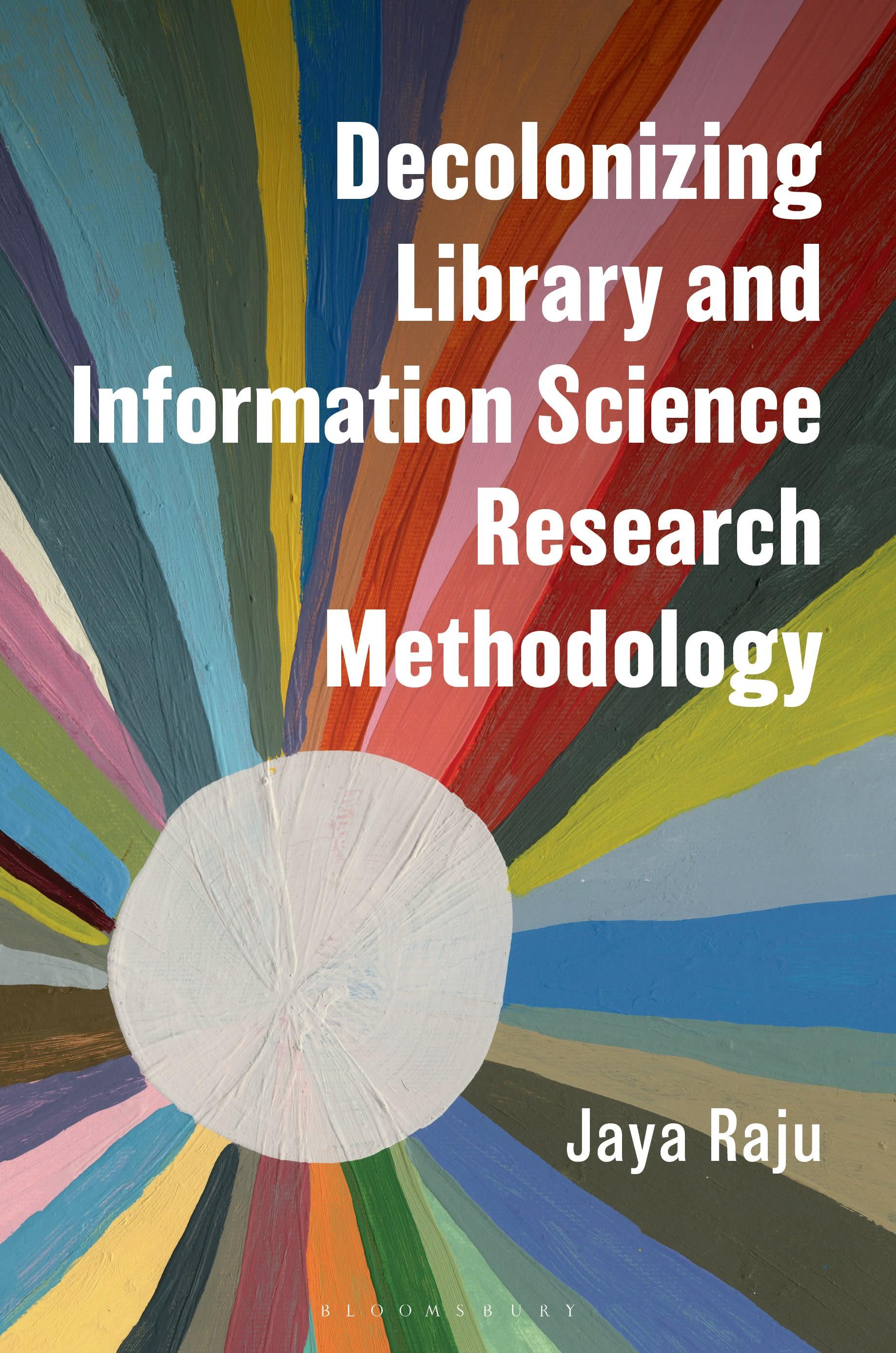
Engage decolonial perspectives in LIS research methodology.
“Information” as conceptualized in the discipline of Library and Information Science (LIS) is not neutral. Library and information services increasingly, in the current digital information age, engage historical, cultural, social, economic, and political forces that interact with information. Such forces may use information to advance dominant epistemic agendas; hence there is a need for LIS researchers, students, practitioners, and other relevant stakeholders to critically interrogate and disrupt these forces in their curation of information for use in research, practice, theory development, policy application, etc.
This book engages decolonial perspectives in LIS research methodology for a transformative and critically reflexive approach to research that is community-based, culturally responsive and impactful for Indigenous and other historically marginalized communities. It positions decolonization as rejecting the privileging in scholarship of dominant western knowledge systems and intellectual traditions. Instead, it calls for the centering of perspectives, insights, and knowledges of Indigenous and other marginalized societies so that research may be inclusive of all knowledge systems, respectful of the researched, and of different ways of knowing embedded in the worldviews of others.
“Information” as conceptualized in the discipline of Library and Information Science (LIS) is not neutral. Library and information services increasingly, in the current digital information age, engage historical, cultural, social, economic, and political forces that interact with information. Such forces may use information to advance dominant epistemic agendas; hence there is a need for LIS researchers, students, practitioners, and other relevant stakeholders to critically interrogate and disrupt these forces in their curation of information for use in research, practice, theory development, policy application, etc.
This book engages decolonial perspectives in LIS research methodology for a transformative and critically reflexive approach to research that is community-based, culturally responsive and impactful for Indigenous and other historically marginalized communities. It positions decolonization as rejecting the privileging in scholarship of dominant western knowledge systems and intellectual traditions. Instead, it calls for the centering of perspectives, insights, and knowledges of Indigenous and other marginalized societies so that research may be inclusive of all knowledge systems, respectful of the researched, and of different ways of knowing embedded in the worldviews of others.
Pagine: 260
Categoria: Vetenskapsteori och forskningsmetod
e-ISBN: 9781538187494
Peso di spedizione: 1.2 kg
Spedito in: 1-2 giorni
Paga facilmente con carta, Klarna, Apple Pay o Google Pay. Non sei soddisfatto? Hai sempre 14 giorni per il rimborso. Leggi di più nei nostri termini. Per qualsiasi domanda, scrivici a hello@memmo.org.
Memmo rende lo studio più facile, ovunque tu sia nel mondo. Qui trovi i tuoi libri di testo e strumenti di studio intelligenti, tutto in un unico posto: riassunti, quiz, podcast e flashcard. E poi c'è Ted, il tuo compagno di studio che risponde a ogni tua domanda. Oltre 50.000 studenti studiano già qui: è stato creato per aiutarti a imparare più velocemente e a stressarti meno.