
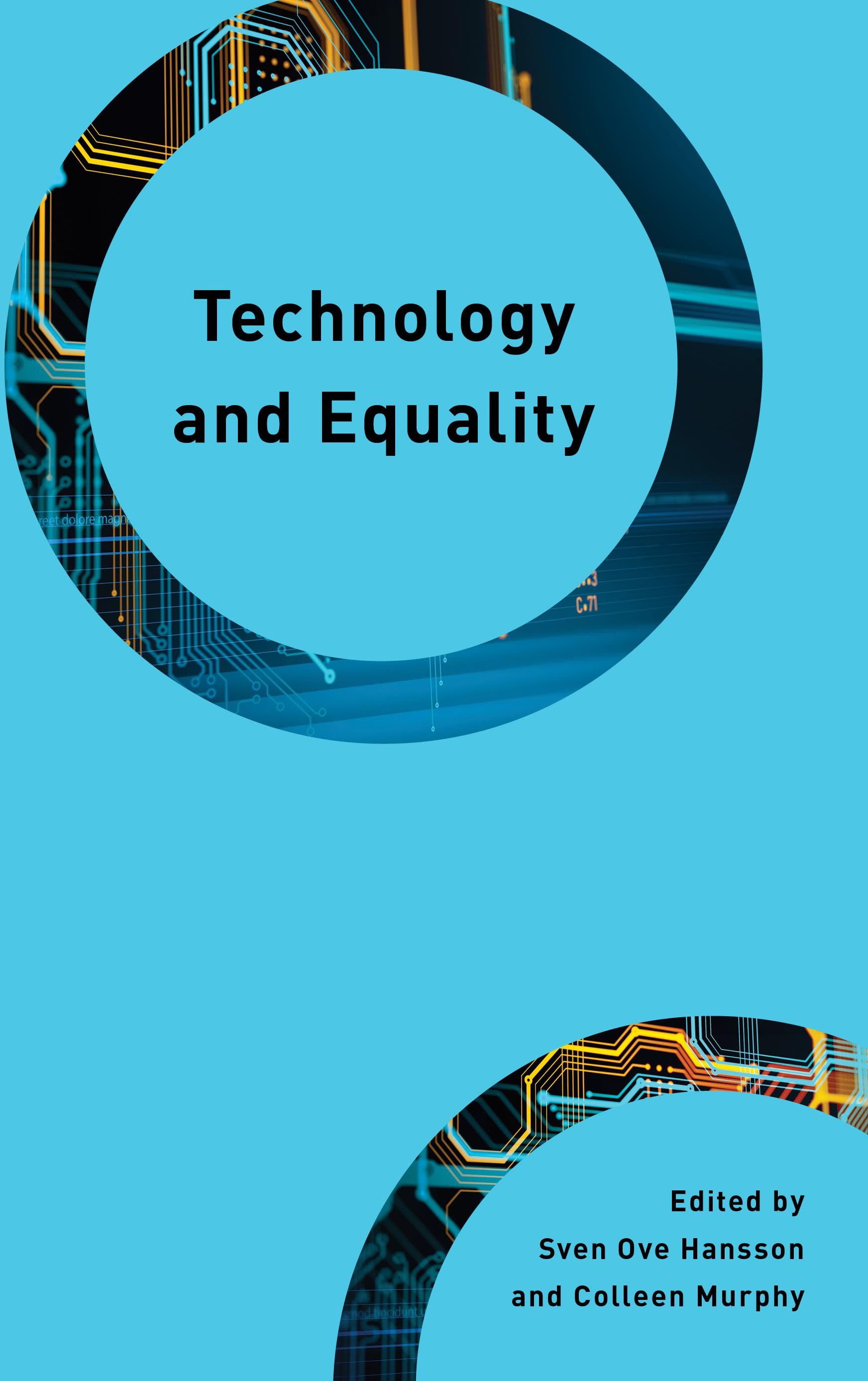
Analyzing the roles technology plays in growing global inequalities, this collection combines theory with case studies to expose causes and correlations, as well as potential solutions. Contributing scholars provide perspectives from history, sociology, gender studies, anthropology, economics, law, ethics, and philosophy.
We live in a world of rapidly growing gaps between rich and poor. In the rich parts of the world, new resource-consuming devices are launched every year. But at the same time, about a fourth of the world's population does not have access to clean drinking water, and more than half lack safely managed sanitation. What role does technology have in these growing global inequalities? Is technological development the root cause of inequality? Or is the unequal distribution of technology just a mirror of social inequities that have other causes? And can new technologies be instrumental in making the world less unfair?
In this collection, these issues are addressed from a wide range of perspectives by scholars in disciplines such as history, sociology, gender studies, anthropology, economics, law, ethics, and philosophy. Case studies highlight technology-related inequalities for instance in climate mitigation, public transport, access to water, waste management, sanitation, air pollution, healthcare, digital communication, and law enforcement. The more theoretical chapters provide tools and concepts that are helpful for analyzing and understanding the relationships between technology and inequality in other applications and in more general perspectives.
We live in a world of rapidly growing gaps between rich and poor. In the rich parts of the world, new resource-consuming devices are launched every year. But at the same time, about a fourth of the world's population does not have access to clean drinking water, and more than half lack safely managed sanitation. What role does technology have in these growing global inequalities? Is technological development the root cause of inequality? Or is the unequal distribution of technology just a mirror of social inequities that have other causes? And can new technologies be instrumental in making the world less unfair?
In this collection, these issues are addressed from a wide range of perspectives by scholars in disciplines such as history, sociology, gender studies, anthropology, economics, law, ethics, and philosophy. Case studies highlight technology-related inequalities for instance in climate mitigation, public transport, access to water, waste management, sanitation, air pollution, healthcare, digital communication, and law enforcement. The more theoretical chapters provide tools and concepts that are helpful for analyzing and understanding the relationships between technology and inequality in other applications and in more general perspectives.
Paga facilmente con carta, Klarna, Apple Pay o Google Pay. Non sei soddisfatto? Hai sempre 14 giorni per il rimborso. Leggi di più nei nostri termini. Per qualsiasi domanda, scrivici a hello@memmo.org.
Memmo rende lo studio più facile, ovunque tu sia nel mondo. Qui trovi i tuoi libri di testo e strumenti di studio intelligenti, tutto in un unico posto: riassunti, quiz, podcast e flashcard. E poi c'è Ted, il tuo compagno di studio che risponde a ogni tua domanda. Oltre 50.000 studenti studiano già qui: è stato creato per aiutarti a imparare più velocemente e a stressarti meno.