
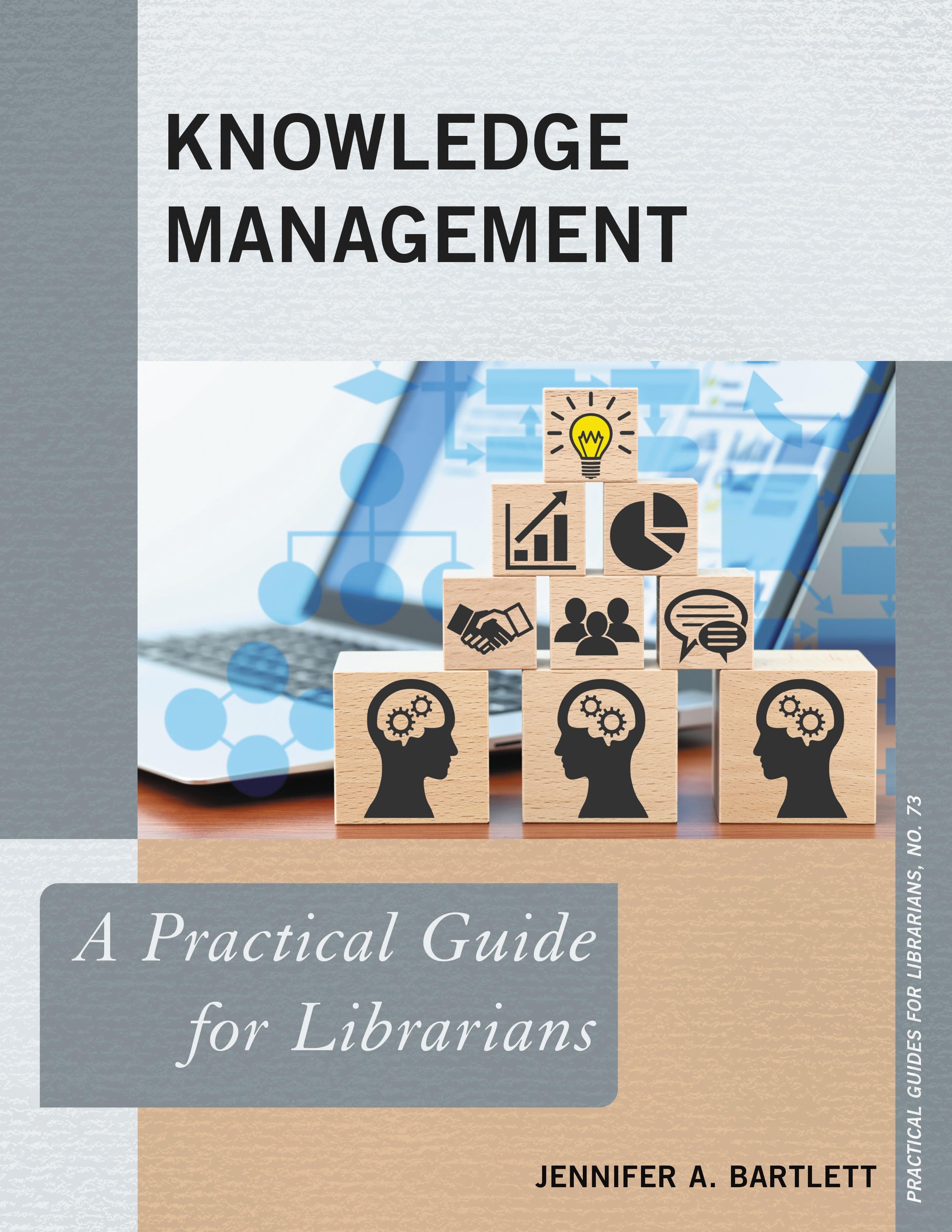
While librarians and information professionals are experts at providing resources to users, managing their own internal working knowledge and information can be a challenge. As information environments continue to become more complex, librarians and other information professionals must build on the existing expertise and skills within their organizations to keep them relevant to the information needs of their patrons and communities. Knowledge management (KM) is an intentional set of strategies intended to capture, preserve, and use human knowledge from employees to further the goals of an organization. Knowledge Management: A Practical Guide for Librarians will help librarians recognize, organize, communicate, and leverage both the tacit and explicit knowledge already in their organizations for the benefit of themselves and their users. Topics covered include:
Why knowledge management is important in libraries and information organizationsThe knowledge management lifecycle: capturing, organizing, storing, sharing, and updating knowledgeCapturing tacit and explicit knowledge and getting staff buy-inTools and methods for recording and developing organizational information flowFacilitating the transfer of organizational knowledge and expertisePromoting knowledge innovation and learning
Knowledge Management is intended to help individual librarians and library managers in all library settings (academic, public, school, special, etc.) to think critically about their existing knowledge management environments with an eye toward improving existing procedures or implementing a KM program. This guide will provide readers with basic background information and useful, targeted exercises and examples to help them develop knowledge management programs in their own organizations.
Why knowledge management is important in libraries and information organizationsThe knowledge management lifecycle: capturing, organizing, storing, sharing, and updating knowledgeCapturing tacit and explicit knowledge and getting staff buy-inTools and methods for recording and developing organizational information flowFacilitating the transfer of organizational knowledge and expertisePromoting knowledge innovation and learning
Knowledge Management is intended to help individual librarians and library managers in all library settings (academic, public, school, special, etc.) to think critically about their existing knowledge management environments with an eye toward improving existing procedures or implementing a KM program. This guide will provide readers with basic background information and useful, targeted exercises and examples to help them develop knowledge management programs in their own organizations.
Paga facilmente con carta, Klarna, Apple Pay o Google Pay. Non sei soddisfatto? Hai sempre 14 giorni per il rimborso. Leggi di più nei nostri termini. Per qualsiasi domanda, scrivici a hello@memmo.org.
Memmo rende lo studio più facile, ovunque tu sia nel mondo. Qui trovi i tuoi libri di testo e strumenti di studio intelligenti, tutto in un unico posto: riassunti, quiz, podcast e flashcard. E poi c'è Ted, il tuo compagno di studio che risponde a ogni tua domanda. Oltre 50.000 studenti studiano già qui: è stato creato per aiutarti a imparare più velocemente e a stressarti meno.