
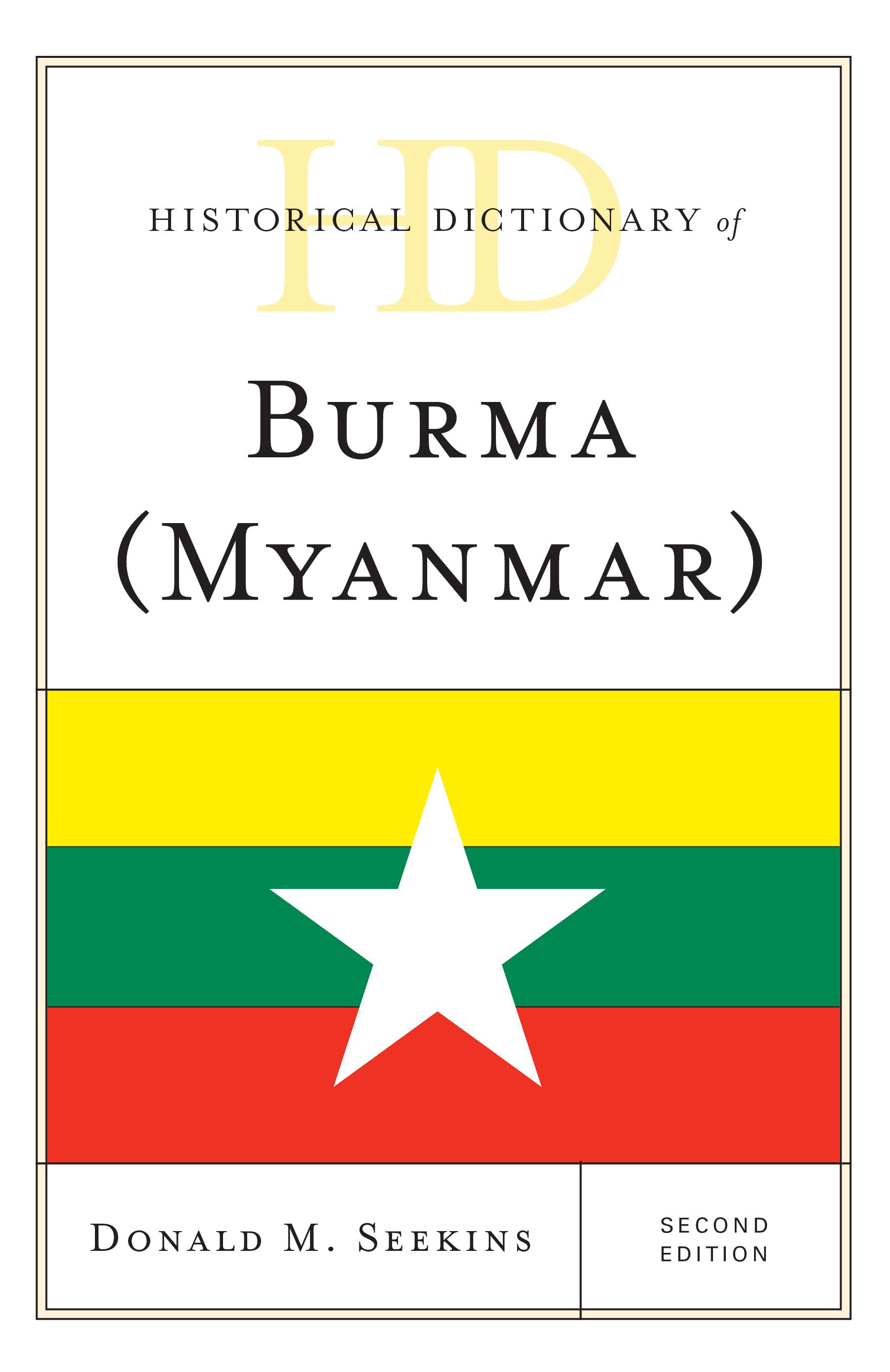
Burma (Myanmar) is a Southeast Asian country that is emerging from crisis after more than a half century of hard-line military rule and cultural, diplomatic and economic isolation. With the dissolution of its military regime, the State Peace and Development Council, in 2011, a formally civilian but military-dominated constitutional government was inaugurated. By 2012, Burma’s president, retired General Thein Sein, had established a working relationship with Daw Aung San Suu Kyi, the leader of the country’s pro-democracy movement since 1988, and after a 2012 by-election she and members of her opposition party, the National League for Democracy (NLD), entered the new Union Parliament as legislators.
However, even with the election victory of Daw Suu Kyi and the NLD in the General Election of November 2015, Burma faces daunting challenges: it is still one of the poorest countries in Southeast, fissured by longstanding ethnic conflicts that have made a nationwide peace agreement elusive and its people’s security and the environment are threatened by foreign economic exploitation. Religious discord is also widely evident, as Buddhist militants instigate violence against the country’s religious minorities, especially Muslims.
Today Burma’s prospects are the most hopeful they have been for over half a century, as the country takes steps along the road to a more open society and economy. This edition of the Historical Dictionary of Burma (Myanmar) encompasses not only current developments, but also Burma’s over 1,500 years-old recorded history and the most important features of its cultures, ethnicity, religions, society and economy. This is done through achronology, an introduction, and an extensive bibliography. The dictionary section has over 700 cross-referenced entries on important personalities, politics, economy, foreign relations, religion, and culture.
However, even with the election victory of Daw Suu Kyi and the NLD in the General Election of November 2015, Burma faces daunting challenges: it is still one of the poorest countries in Southeast, fissured by longstanding ethnic conflicts that have made a nationwide peace agreement elusive and its people’s security and the environment are threatened by foreign economic exploitation. Religious discord is also widely evident, as Buddhist militants instigate violence against the country’s religious minorities, especially Muslims.
Today Burma’s prospects are the most hopeful they have been for over half a century, as the country takes steps along the road to a more open society and economy. This edition of the Historical Dictionary of Burma (Myanmar) encompasses not only current developments, but also Burma’s over 1,500 years-old recorded history and the most important features of its cultures, ethnicity, religions, society and economy. This is done through achronology, an introduction, and an extensive bibliography. The dictionary section has over 700 cross-referenced entries on important personalities, politics, economy, foreign relations, religion, and culture.
Paga facilmente con carta, Klarna, Apple Pay o Google Pay. Non sei soddisfatto? Hai sempre 14 giorni per il rimborso. Leggi di più nei nostri termini. Per qualsiasi domanda, scrivici a hello@memmo.org.
Memmo rende lo studio più facile, ovunque tu sia nel mondo. Qui trovi i tuoi libri di testo e strumenti di studio intelligenti, tutto in un unico posto: riassunti, quiz, podcast e flashcard. E poi c'è Ted, il tuo compagno di studio che risponde a ogni tua domanda. Oltre 50.000 studenti studiano già qui: è stato creato per aiutarti a imparare più velocemente e a stressarti meno.