
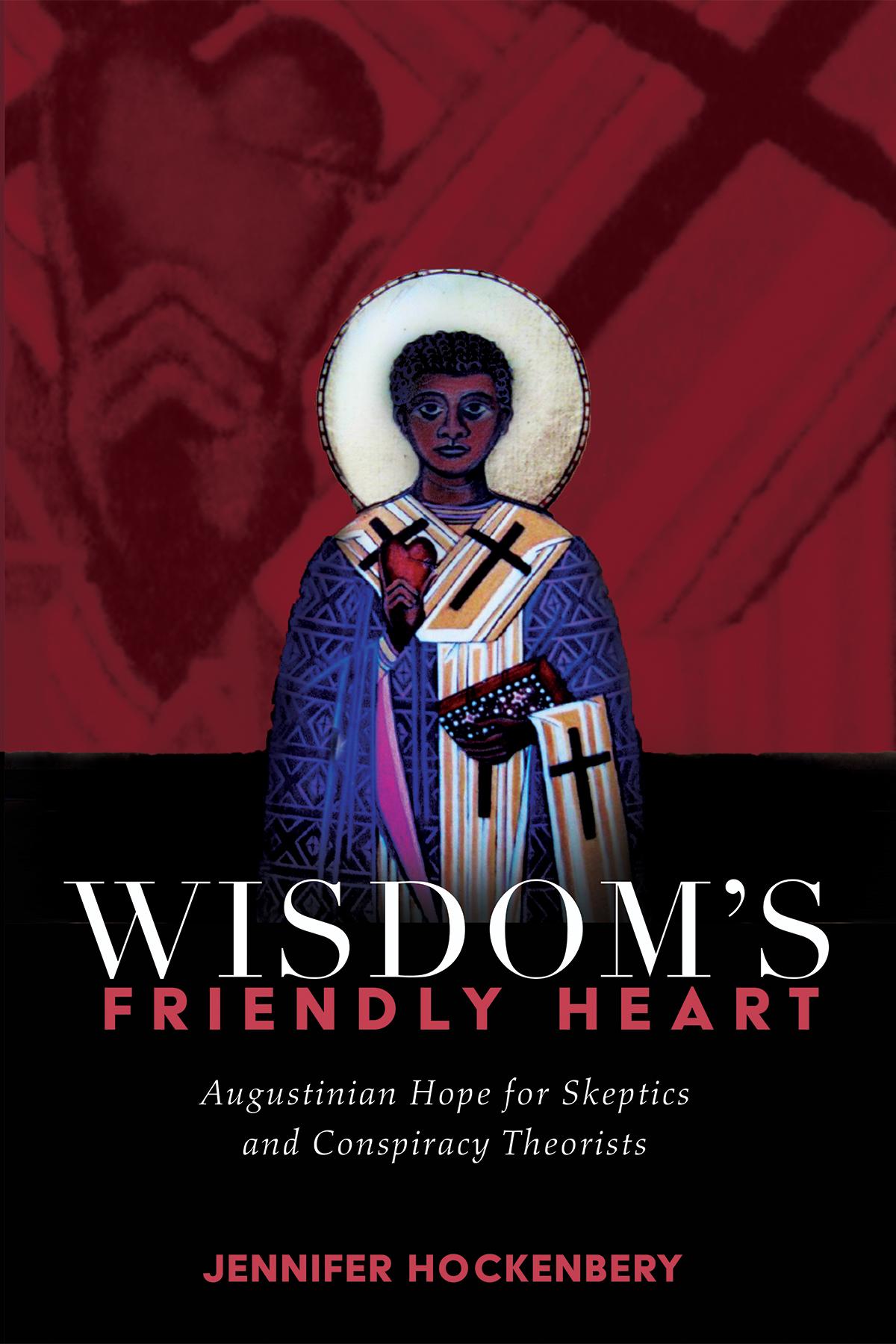
Sixteen-hundred years ago, Augustine begged his African congregants to think rationally, pay attention to evidence, and listen to their neighbors. He knew this would not be easy. He knew that human error is more common than human knowledge. He himself had been a member of an elitist cult for nearly ten years and then had spent several years as a skeptic resigned to seeking wealth and honors rather than hoping for truth or goodness. He would not be surprised by the rise of white supremacist cults or the nihilistic apathy that have arisen in the "post truth" era. He had seen nativism, elitism, fear, and doubt rise in response to a crisis of hope that truth could be found, a crisis that led to the use of physical force rather than educated disputation, a crisis that ended in the fall of both Rome and Carthage to Vandals and Visigoths.
Augustine's response was to preach publically the hope that encouraged him in his own personal quest for a happy life. This book examines that hope in Augustine's context until the current moment.
Paga facilmente con carta, Klarna, Apple Pay o Google Pay. Non sei soddisfatto? Hai sempre 14 giorni per il rimborso. Leggi di più nei nostri termini. Per qualsiasi domanda, scrivici a hello@memmo.org.
Memmo rende lo studio più facile, ovunque tu sia nel mondo. Qui trovi i tuoi libri di testo e strumenti di studio intelligenti, tutto in un unico posto: riassunti, quiz, podcast e flashcard. E poi c'è Ted, il tuo compagno di studio che risponde a ogni tua domanda. Oltre 50.000 studenti studiano già qui: è stato creato per aiutarti a imparare più velocemente e a stressarti meno.
Potrebbe interessarti anche
Acquista il libro0