
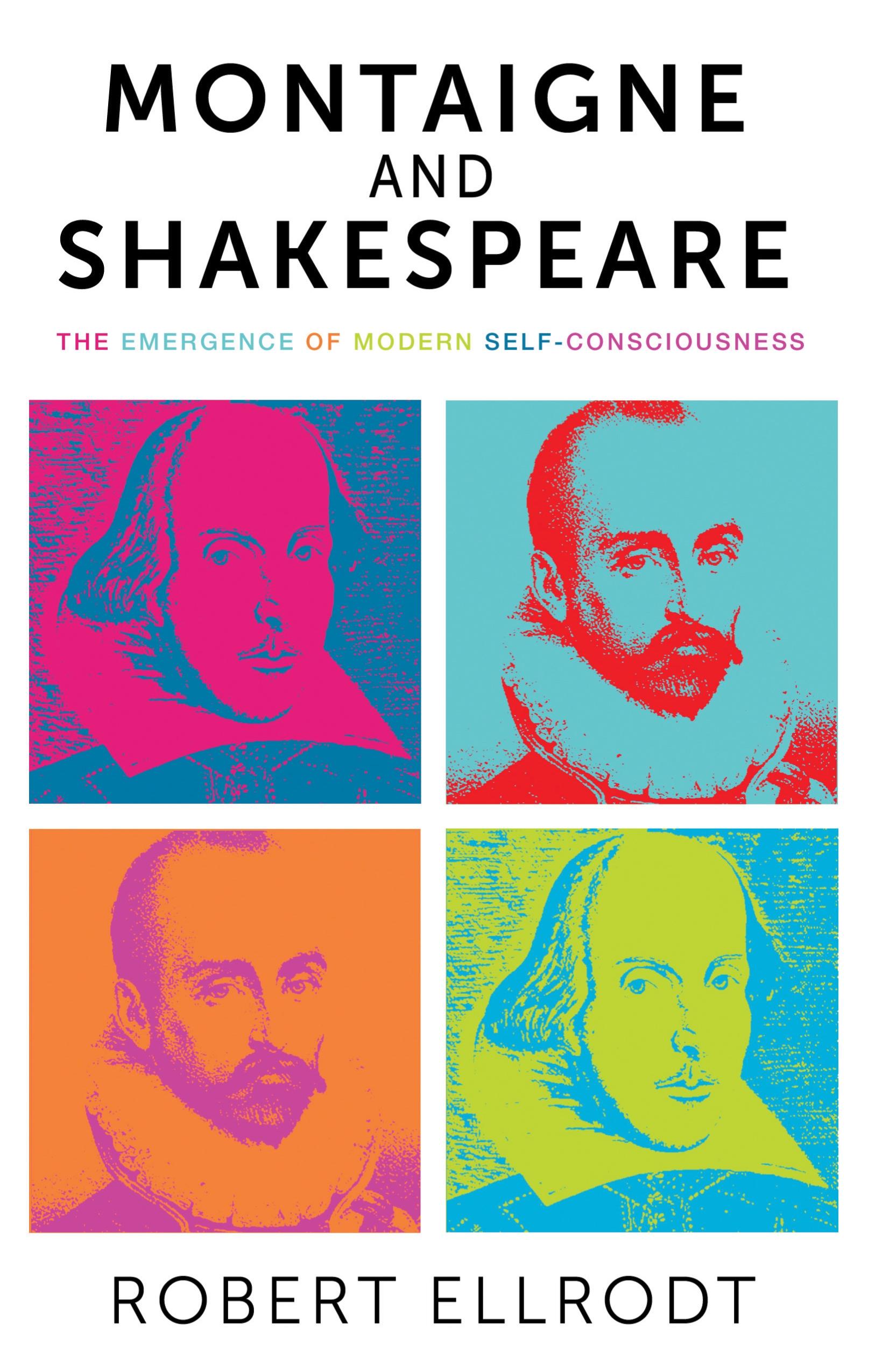
This book is not merely a study of Shakespeare’s debt to Montaigne. It traces the evolution of self-consciousness in literary, philosophical and religious writings from antiquity to the Renaissance and demonstrates that its early modern forms first appeared in the Essays and in Shakespearean drama. It shows, however, that, contrary to some postmodern assumptions, the early calling in question of the self did not lead to a negation of identity. Montaigne acknowledged the fairly stable nature of his personality and Shakespeare, as Dryden noted, maintained 'the constant conformity of each character to itself from its very first setting out in the Play quite to the End'.
A similar evolution is traced in the progress from an objective to a subjective apprehension of time from Greek philosophy to early modern authors. A final chapter shows that the influence of scepticism on Montaigne and Shakespeare was counterbalanced by their reliance on permanent humanistic values.
Paga facilmente con carta, Klarna, Apple Pay o Google Pay. Non sei soddisfatto? Hai sempre 14 giorni per il rimborso. Leggi di più nei nostri termini. Per qualsiasi domanda, scrivici a hello@memmo.org.
Memmo rende lo studio più facile, ovunque tu sia nel mondo. Qui trovi i tuoi libri di testo e strumenti di studio intelligenti, tutto in un unico posto: riassunti, quiz, podcast e flashcard. E poi c'è Ted, il tuo compagno di studio che risponde a ogni tua domanda. Oltre 50.000 studenti studiano già qui: è stato creato per aiutarti a imparare più velocemente e a stressarti meno.