
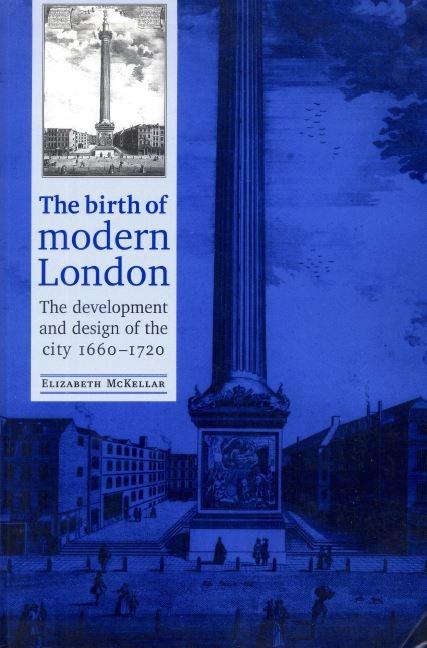
The period 1660–1720 saw the foundation of modern London. The city was transformed post-Fire from a tight warren of medieval timber-framed buildings into a vastly expanded, regularised landscape of brick houses laid out in squares and spacious streets. This book examines the building boom and the speculative developers who created that landscape. It offers a wealth of new information on their working practices, the role of craftsmen and the design thinking which led to the creation of a new prototype for English housing.
While concentrating on the mass-produced houses of 'the middling sort', which saw the adoption of classicism on a large scale in this country for the first time, the book reveals that the 'new city' maintained a surprising degree of continuity with existing patterns of urban use and traditional architecture. It presents the late-seventeenth and the early eighteenth century as a distinct phase in London's architectural development and offers a radical reinterpretations of the adoption of Renaissance styles and ideas at the level of the everyday, challenging conventional interpretations of their use and reception in this country.
Paga facilmente con carta, Klarna, Apple Pay o Google Pay. Non sei soddisfatto? Hai sempre 14 giorni per il rimborso. Leggi di più nei nostri termini. Per qualsiasi domanda, scrivici a hello@memmo.org.
Memmo rende lo studio più facile, ovunque tu sia nel mondo. Qui trovi i tuoi libri di testo e strumenti di studio intelligenti, tutto in un unico posto: riassunti, quiz, podcast e flashcard. E poi c'è Ted, il tuo compagno di studio che risponde a ogni tua domanda. Oltre 50.000 studenti studiano già qui: è stato creato per aiutarti a imparare più velocemente e a stressarti meno.