
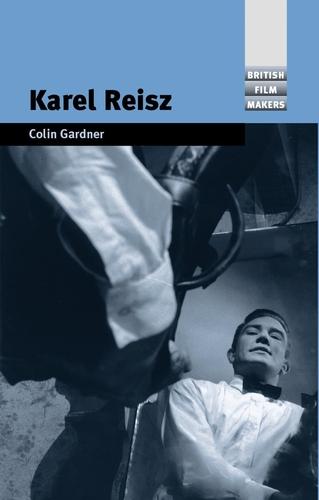
Czech-born refugee Karel Reisz (1926-2002) is widely regarded as one of the seminal figures in post-war British cinema. Along with Lindsay Anderson and Tony Richardson, Reisz was a founder member of the independent Free Cinema ‘movement’ which attacked the parochial middle-class values of home-grown studio product with a vigorous commitment to everyday working-class subject matter and a poetically-charged film style. This was immediately recognisable in the aesthetic of the international success of Reisz’s first feature, Saturday Night and Sunday Morning (1960).
As the import of Free Cinema rapidly dissipated during the ‘Swinging London’ era, Reisz confronted the changing cultural mores of the 1960s and ‘70s with a series of ambivalent films that critique the anarchic free spirit of the times, including Morgan (1966), Isadora (1968), The Gambler (1974) and Dog Soldiers (1978).
Drawing on Reisz’s early film criticism for Sequence and Sight and Sound, as well as interdisciplinary methodologies, this first career-length study explores Reisz’s personal brand of character-based realism, offering the spectator a privileged insight into an artist’s developing response to subjective and historical dislocation. The book should thus prove invaluable to film scholars, cultural historians and the Reisz aficionado.
Paga facilmente con carta, Klarna, Apple Pay o Google Pay. Non sei soddisfatto? Hai sempre 14 giorni per il rimborso. Leggi di più nei nostri termini. Per qualsiasi domanda, scrivici a hello@memmo.org.
Memmo rende lo studio più facile, ovunque tu sia nel mondo. Qui trovi i tuoi libri di testo e strumenti di studio intelligenti, tutto in un unico posto: riassunti, quiz, podcast e flashcard. E poi c'è Ted, il tuo compagno di studio che risponde a ogni tua domanda. Oltre 50.000 studenti studiano già qui: è stato creato per aiutarti a imparare più velocemente e a stressarti meno.