
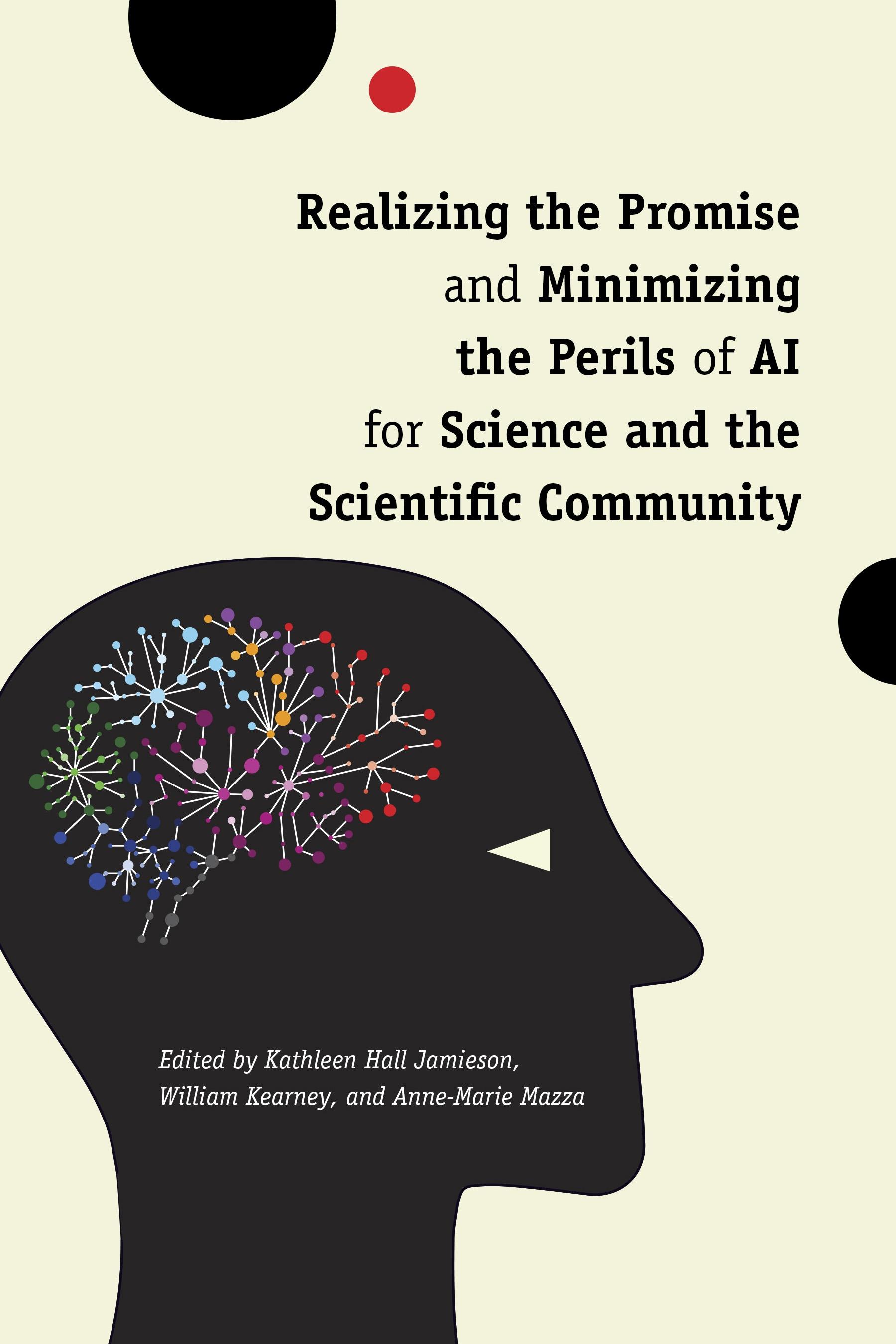
Recommendations from the scientific community to ensure that the development and use of AI honors scientific norms
In late 2022, OpenAI released ChatGPT, an AI chatbot capable of generating conversational answers and analyses, as well as images, in response to user questions and prompts. This generative AI is built with computational procedures, such as large language models, that train on vast bodies of human-created and curated data, including huge amounts of scientific literature. Since then, the worry that AI may someday outsmart humans has only grown more widespread.
In the past, as society grappled with the implications of new technologies—ranging from nuclear energy to recombinant DNA—the scientific community developed practices designed to increase adherence to the norms that have protected the integrity of each new form of scientific exploration, development, and deployment. In the process, scientists expanded their community’s repertoire of mechanisms designed to advance emerging science and technology while safeguarding the integrity of science and the wellbeing of the nation and its people.
This book provides a historical perspective on and an ethical approach to emerging AI technologies; an overview of AI frameworks and principles; and an assessment of AI’s current advances, hurdles, and potential. Experts from the fields of behavioral and social sciences, ethics, biology, physics, chemistry, mathematics, and computer science, as well as leaders in higher education, law, governance, and science publishing and communication, comprise the book’s contributors. Their essays remind us that, even as our understandings of emerging technologies and of their implications evolve, science’s commitment to core norms and values remains steadfast. The volume’s conclusion advocates for following principles of human accountability and responsibility when using artificial intelligence in research, including transparent disclosure and attribution; verification and documentation of AI-generated data and analysis; a focus on ethics and equity; and continuous oversight and public engagement.
Paga facilmente con carta, Klarna, Apple Pay o Google Pay. Non sei soddisfatto? Hai sempre 14 giorni per il rimborso. Leggi di più nei nostri termini. Per qualsiasi domanda, scrivici a hello@memmo.org.
Memmo rende lo studio più facile, ovunque tu sia nel mondo. Qui trovi i tuoi libri di testo e strumenti di studio intelligenti, tutto in un unico posto: riassunti, quiz, podcast e flashcard. E poi c'è Ted, il tuo compagno di studio che risponde a ogni tua domanda. Oltre 50.000 studenti studiano già qui: è stato creato per aiutarti a imparare più velocemente e a stressarti meno.