
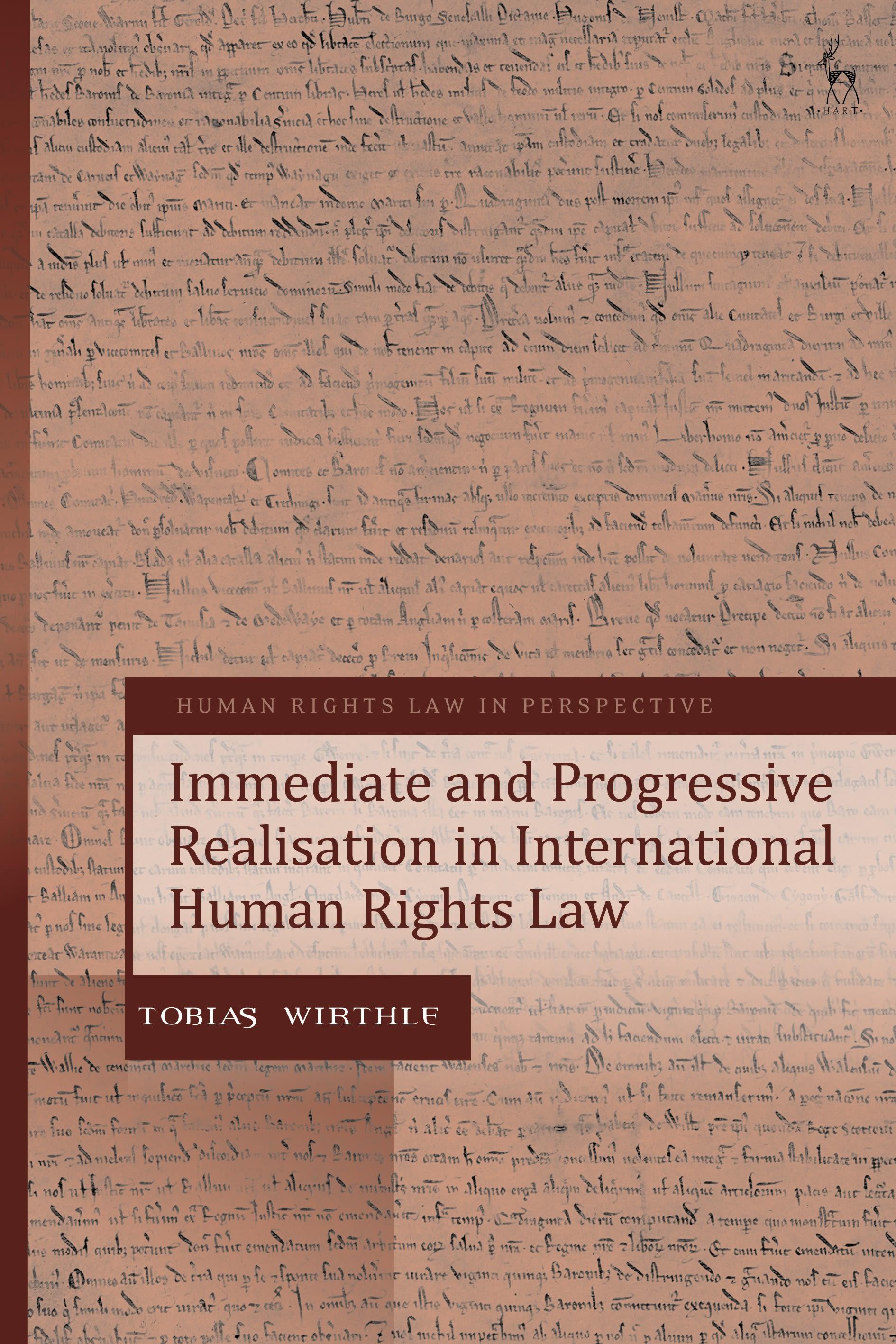
This book makes a new and original contribution to the old debate about differences between socio-economic and civil and political rights, which has engaged human rights discourse over several decades.
Although scholars and practitioners now agree that these categories are more alike than originally assumed, they continue to delineate them based on the alleged difference between immediate and progressive realisation. The book asks whether this differentiation is still valid by exploring the historical and theoretical background, the text of relevant UN human rights treaties, and the practice of the UN human rights committees. By so doing, it shows that the standards of realisation converge more than diverge and that this last remaining distinction should be abandoned.
Human rights lawyers, advocates, practitioners and policy makers will find this book invaluable as it brings much needed clarification to this key question.
Although scholars and practitioners now agree that these categories are more alike than originally assumed, they continue to delineate them based on the alleged difference between immediate and progressive realisation. The book asks whether this differentiation is still valid by exploring the historical and theoretical background, the text of relevant UN human rights treaties, and the practice of the UN human rights committees. By so doing, it shows that the standards of realisation converge more than diverge and that this last remaining distinction should be abandoned.
Human rights lawyers, advocates, practitioners and policy makers will find this book invaluable as it brings much needed clarification to this key question.
Paga facilmente con carta, Klarna, Apple Pay o Google Pay. Non sei soddisfatto? Hai sempre 14 giorni per il rimborso. Leggi di più nei nostri termini. Per qualsiasi domanda, scrivici a hello@memmo.org.
Memmo rende lo studio più facile, ovunque tu sia nel mondo. Qui trovi i tuoi libri di testo e strumenti di studio intelligenti, tutto in un unico posto: riassunti, quiz, podcast e flashcard. E poi c'è Ted, il tuo compagno di studio che risponde a ogni tua domanda. Oltre 50.000 studenti studiano già qui: è stato creato per aiutarti a imparare più velocemente e a stressarti meno.