
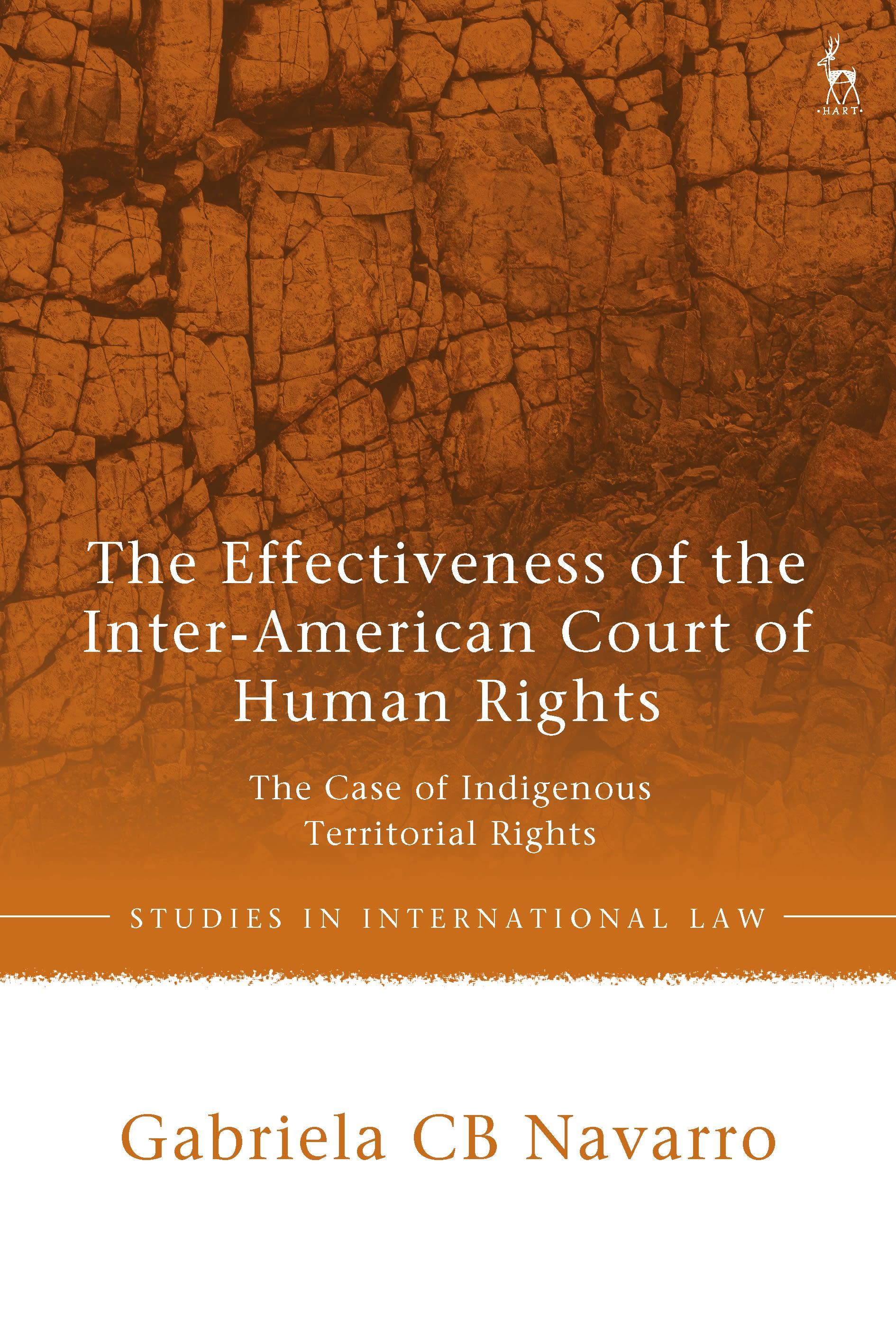
The Inter-American Court of Human Rights has the most developed jurisprudence on indigenous rights, yet this case law is understudied. This book addresses this gap by exploring the Court and its cases from both the perspective of international law and the legal protection of indigenous territories.
Setting out the network of actors and institutions involved in such litigation, it examines the motivations and constraints in domestic politics affecting international orders (and by extension the impact of the Court). It provides both an important statement on the effectiveness of international tribunals and a fascinating insight into the evolution of indigenous rights.
Setting out the network of actors and institutions involved in such litigation, it examines the motivations and constraints in domestic politics affecting international orders (and by extension the impact of the Court). It provides both an important statement on the effectiveness of international tribunals and a fascinating insight into the evolution of indigenous rights.
Paga facilmente con carta, Klarna, Apple Pay o Google Pay. Non sei soddisfatto? Hai sempre 14 giorni per il rimborso. Leggi di più nei nostri termini. Per qualsiasi domanda, scrivici a hello@memmo.org.
Memmo rende lo studio più facile, ovunque tu sia nel mondo. Qui trovi i tuoi libri di testo e strumenti di studio intelligenti, tutto in un unico posto: riassunti, quiz, podcast e flashcard. E poi c'è Ted, il tuo compagno di studio che risponde a ogni tua domanda. Oltre 50.000 studenti studiano già qui: è stato creato per aiutarti a imparare più velocemente e a stressarti meno.