
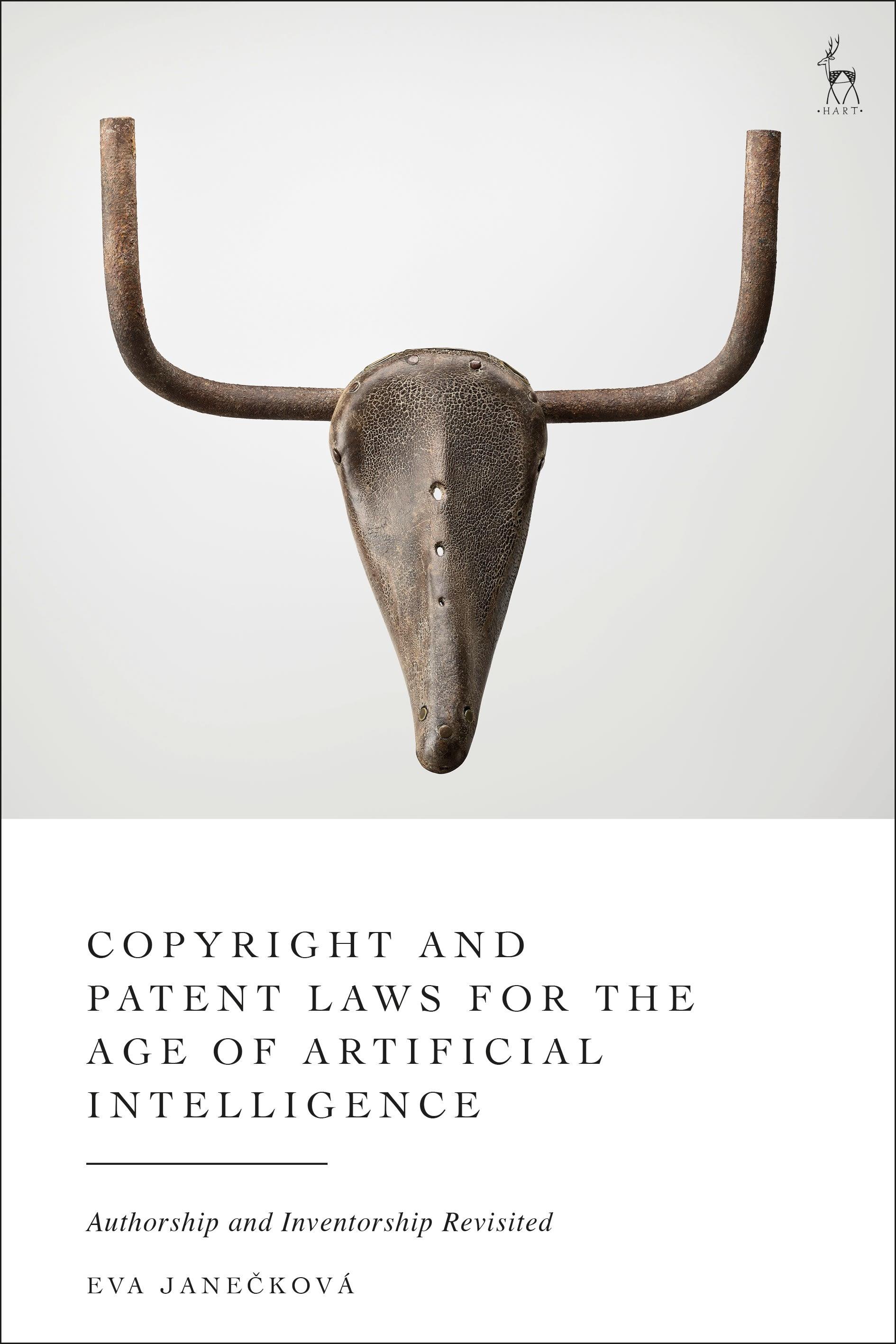
Runner-up of the 2026 SLS Peter Birks Prize for Outstanding Legal Scholarship
This book responds to the need to distinguish human creations from those produced by AI.
It does so by tracing human attributes of authorship and inventorship in statutory requirements for protection and ownership in European copyright and patent laws.
Its main contribution lies in exposing shortcomings in how the laws are applied in the UK, Germany, and France. It shows that the human origin of creations is traditionally inferred from their expressive form or technical character. Given the advancements in AI, such inferences are no longer legitimate. What is more, these shortcomings may eventually lead to granting copyright or patent protection where none is lawfully permitted or sufficiently justified. To remedy the situation, this book offers doctrinal and conceptual amendments and proposes law reforms to implement them.
This book guides authorities, practitioners, and students through the main arguments of the debate concerning copyright and patents for objects entirely or partly generated by AI. It also makes original contributions to advance the ongoing academic and policy debates on AI and intellectual property law.
This book responds to the need to distinguish human creations from those produced by AI.
It does so by tracing human attributes of authorship and inventorship in statutory requirements for protection and ownership in European copyright and patent laws.
Its main contribution lies in exposing shortcomings in how the laws are applied in the UK, Germany, and France. It shows that the human origin of creations is traditionally inferred from their expressive form or technical character. Given the advancements in AI, such inferences are no longer legitimate. What is more, these shortcomings may eventually lead to granting copyright or patent protection where none is lawfully permitted or sufficiently justified. To remedy the situation, this book offers doctrinal and conceptual amendments and proposes law reforms to implement them.
This book guides authorities, practitioners, and students through the main arguments of the debate concerning copyright and patents for objects entirely or partly generated by AI. It also makes original contributions to advance the ongoing academic and policy debates on AI and intellectual property law.
Paga facilmente con carta, Klarna, Apple Pay o Google Pay. Non sei soddisfatto? Hai sempre 14 giorni per il rimborso. Leggi di più nei nostri termini. Per qualsiasi domanda, scrivici a hello@memmo.org.
Memmo rende lo studio più facile, ovunque tu sia nel mondo. Qui trovi i tuoi libri di testo e strumenti di studio intelligenti, tutto in un unico posto: riassunti, quiz, podcast e flashcard. E poi c'è Ted, il tuo compagno di studio che risponde a ogni tua domanda. Oltre 50.000 studenti studiano già qui: è stato creato per aiutarti a imparare più velocemente e a stressarti meno.