
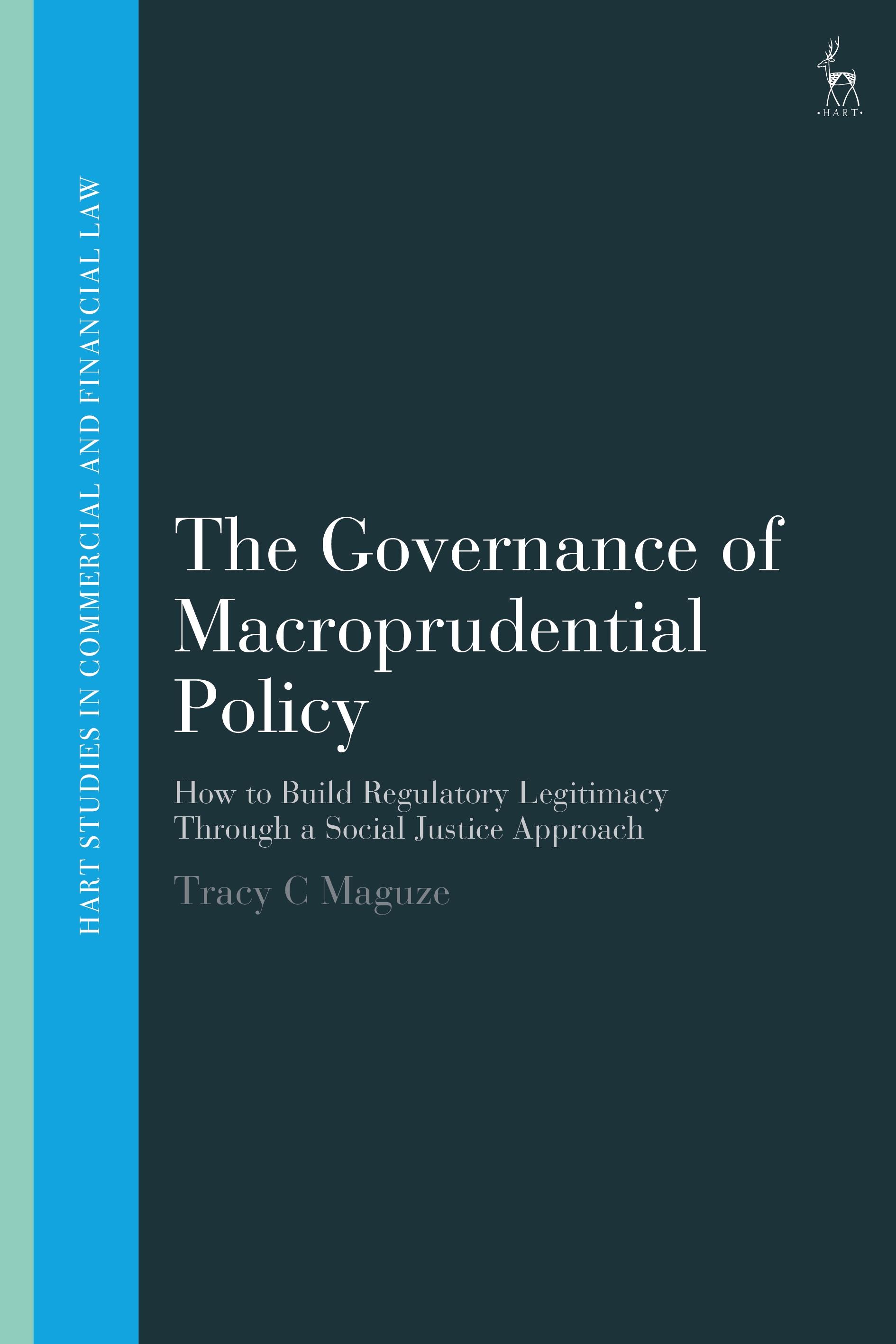
This book critically examines the theoretical foundations and legal framework for macroprudential policy, its tools and governance in the UK, the US, and the EU. It goes deeper into a normative discussion of the legitimacy of macroprudential policy in these jurisdictions, where the mandate for maintaining financial stability has been delegated to independent authorities.
The Global Financial Crisis of 2007-2008 reopened debates regarding legitimacy of the independent regulatory state, given its democratic deficit. The response to a perceived legitimacy gap has been to increase political oversight in financial policymaking and regulation. The book posits that the real problem is not a lack of democracy, but rather a lack of social justice. Across the globe, there is growing dissatisfaction with a financial system and regulatory process that appear depersonalised and perpetuate inequalities. Citizens are calling for more socially just systems of governance and the future success of financial policymakers and regulators will hinge on this. Given the marked distributional effects that have been noted in some macroprudential policy tools, the book questions whether macroprudential policy should be solely based on highly rationalised and strongly quantitative reasons.
By proposing that macroprudential policymakers should have a social justice mandate alongside their financial stability mandate, as well as legal mechanisms for operationalising the added authority, the book contributes to the growing discourse on the role of social justice in public policy.
The Global Financial Crisis of 2007-2008 reopened debates regarding legitimacy of the independent regulatory state, given its democratic deficit. The response to a perceived legitimacy gap has been to increase political oversight in financial policymaking and regulation. The book posits that the real problem is not a lack of democracy, but rather a lack of social justice. Across the globe, there is growing dissatisfaction with a financial system and regulatory process that appear depersonalised and perpetuate inequalities. Citizens are calling for more socially just systems of governance and the future success of financial policymakers and regulators will hinge on this. Given the marked distributional effects that have been noted in some macroprudential policy tools, the book questions whether macroprudential policy should be solely based on highly rationalised and strongly quantitative reasons.
By proposing that macroprudential policymakers should have a social justice mandate alongside their financial stability mandate, as well as legal mechanisms for operationalising the added authority, the book contributes to the growing discourse on the role of social justice in public policy.
Pagine: 272
Categoria: Redovisning, Finans & Investering
e-ISBN: 9781509968404
Peso di spedizione: 1.2 kg
Spedito in: 1-2 giorni
Paga facilmente con carta, Klarna, Apple Pay o Google Pay. Non sei soddisfatto? Hai sempre 14 giorni per il rimborso. Leggi di più nei nostri termini. Per qualsiasi domanda, scrivici a hello@memmo.org.
Memmo rende lo studio più facile, ovunque tu sia nel mondo. Qui trovi i tuoi libri di testo e strumenti di studio intelligenti, tutto in un unico posto: riassunti, quiz, podcast e flashcard. E poi c'è Ted, il tuo compagno di studio che risponde a ogni tua domanda. Oltre 50.000 studenti studiano già qui: è stato creato per aiutarti a imparare più velocemente e a stressarti meno.