
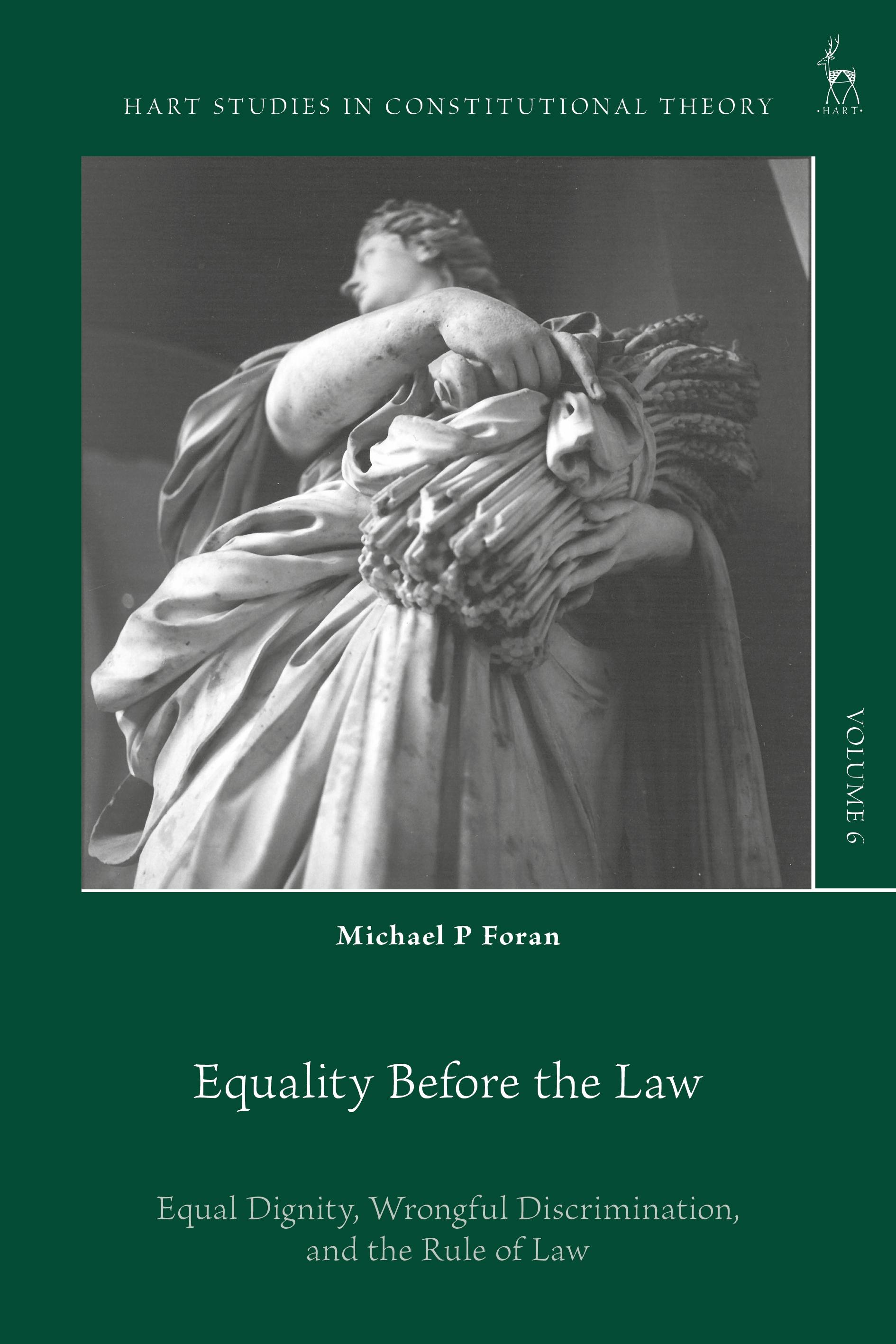
This book presents a defence of the value of equality within law which is neither purely formal nor an entirely speculative theory of justice. It does this by combining a theoretical with a doctrinal project.
At the theoretical level, it argues that there is a distinct and meaningful conception of equality before the law which can be separated from concerns of distributive justice. It therefore rejects the claim that legal equality is merely formal. Rather, it is grounded in the equal moral status of all legal subjects. The demand that individuals be treated in accordance with the principle of equality before the law, then, requires that they not be treated in ways that would deny their equal moral standing. This principle of moral equality is the fundamental normative basis of the rule of law.
This general claim is applied, in the second half of the book, to antidiscrimination law. It is argued here that the wrong of wrongful discrimination consists in implicit or explicit denial of the equal moral status of legal subjects. This is also a core wrong that the common law seeks to remedy via judicial review and is thus intimately tied to legality itself.
In the final chapter, these two strands are brought together to defend the idea that law is a public asset which must be directed towards advancing the best interests of those it governs. This kind of equality principle, one which sets the outermost limits of the use of public power, must look beyond individual rights claims. It manifests a fundamental commitment to substantive equality – manifest in a commitment to collective flourishing – without tying it to group-based distributive concerns which arise from distinct social and historical contexts and require the exercise of political authority to choose among a range of plausible options for their resolution.
At the theoretical level, it argues that there is a distinct and meaningful conception of equality before the law which can be separated from concerns of distributive justice. It therefore rejects the claim that legal equality is merely formal. Rather, it is grounded in the equal moral status of all legal subjects. The demand that individuals be treated in accordance with the principle of equality before the law, then, requires that they not be treated in ways that would deny their equal moral standing. This principle of moral equality is the fundamental normative basis of the rule of law.
This general claim is applied, in the second half of the book, to antidiscrimination law. It is argued here that the wrong of wrongful discrimination consists in implicit or explicit denial of the equal moral status of legal subjects. This is also a core wrong that the common law seeks to remedy via judicial review and is thus intimately tied to legality itself.
In the final chapter, these two strands are brought together to defend the idea that law is a public asset which must be directed towards advancing the best interests of those it governs. This kind of equality principle, one which sets the outermost limits of the use of public power, must look beyond individual rights claims. It manifests a fundamental commitment to substantive equality – manifest in a commitment to collective flourishing – without tying it to group-based distributive concerns which arise from distinct social and historical contexts and require the exercise of political authority to choose among a range of plausible options for their resolution.
Paga facilmente con carta, Klarna, Apple Pay o Google Pay. Non sei soddisfatto? Hai sempre 14 giorni per il rimborso. Leggi di più nei nostri termini. Per qualsiasi domanda, scrivici a hello@memmo.org.
Memmo rende lo studio più facile, ovunque tu sia nel mondo. Qui trovi i tuoi libri di testo e strumenti di studio intelligenti, tutto in un unico posto: riassunti, quiz, podcast e flashcard. E poi c'è Ted, il tuo compagno di studio che risponde a ogni tua domanda. Oltre 50.000 studenti studiano già qui: è stato creato per aiutarti a imparare più velocemente e a stressarti meno.