
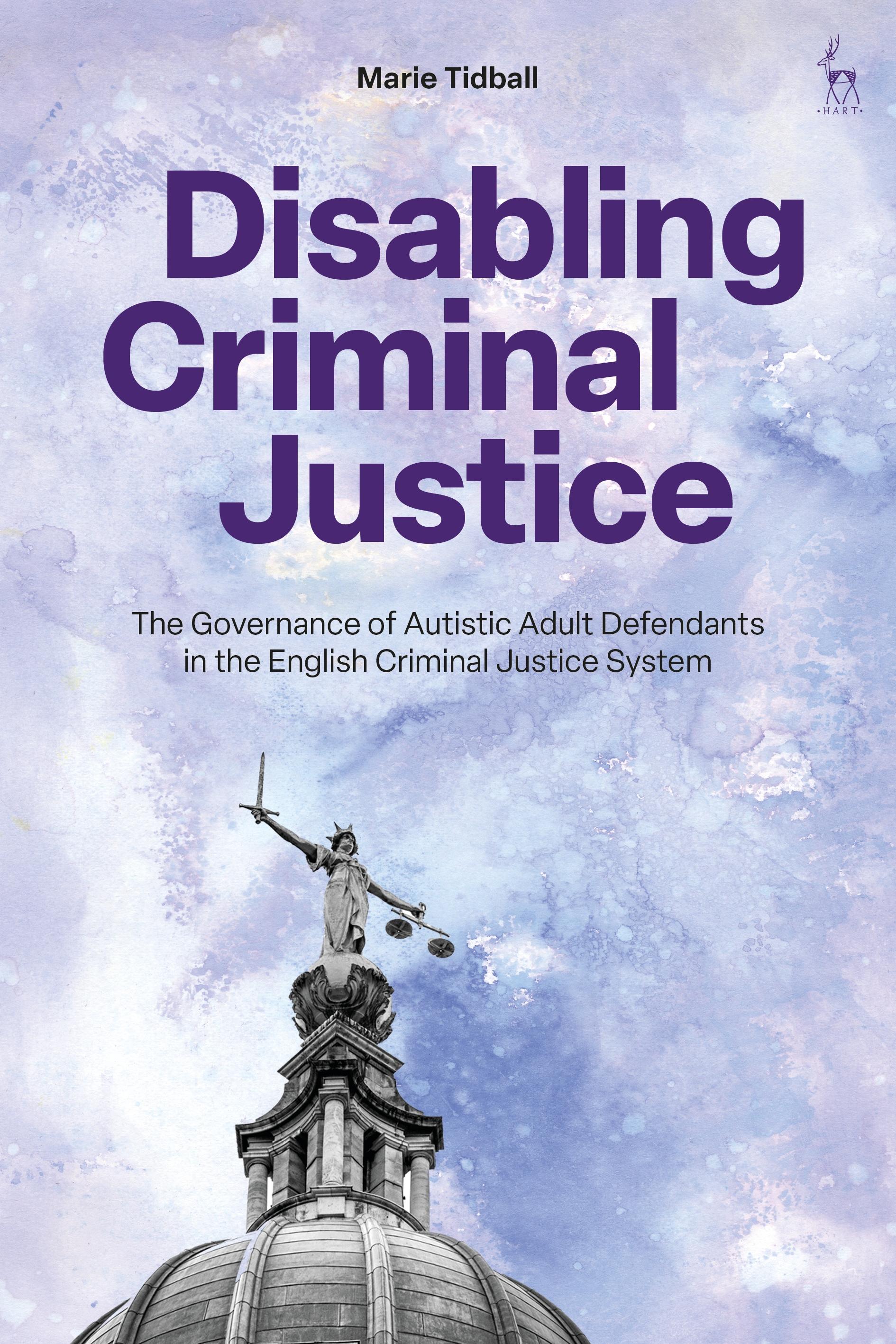
This book considers the governance of autistic defendants and offenders in the UK courts.
Utilising the social model of disability, it considers the dominant strategies of governance, including 'vulnerability', which the author argues obscures the rights of disabled people in the criminal justice system. In doing so it sheds light on how this group should be governed.
Drawing on rigorously-researched case studies of autistic adult defendants through the court process, the book brings together relevant legal and policy literature, criminological and criminal justice theory and disability studies to provide insight into the 'dividing practices' that affect the governance of disabled defendants' conduct.
Using interviews with elites and practitioners, textual analysis, and court observation of eight autistic adult defendants through their court process, the book investigates why the status of autistic defendants as disabled under the Equality Act 2010 has been overlooked in criminal justice policy and criminal court decision-making.
It explores the impact of the 'collateral' effects and 'symbiotic harm' of the criminal justice process on family members who support these defendants through the criminal justice process.
Utilising the social model of disability, it considers the dominant strategies of governance, including 'vulnerability', which the author argues obscures the rights of disabled people in the criminal justice system. In doing so it sheds light on how this group should be governed.
Drawing on rigorously-researched case studies of autistic adult defendants through the court process, the book brings together relevant legal and policy literature, criminological and criminal justice theory and disability studies to provide insight into the 'dividing practices' that affect the governance of disabled defendants' conduct.
Using interviews with elites and practitioners, textual analysis, and court observation of eight autistic adult defendants through their court process, the book investigates why the status of autistic defendants as disabled under the Equality Act 2010 has been overlooked in criminal justice policy and criminal court decision-making.
It explores the impact of the 'collateral' effects and 'symbiotic harm' of the criminal justice process on family members who support these defendants through the criminal justice process.
Paga facilmente con carta, Klarna, Apple Pay o Google Pay. Non sei soddisfatto? Hai sempre 14 giorni per il rimborso. Leggi di più nei nostri termini. Per qualsiasi domanda, scrivici a hello@memmo.org.
Memmo rende lo studio più facile, ovunque tu sia nel mondo. Qui trovi i tuoi libri di testo e strumenti di studio intelligenti, tutto in un unico posto: riassunti, quiz, podcast e flashcard. E poi c'è Ted, il tuo compagno di studio che risponde a ogni tua domanda. Oltre 50.000 studenti studiano già qui: è stato creato per aiutarti a imparare più velocemente e a stressarti meno.