
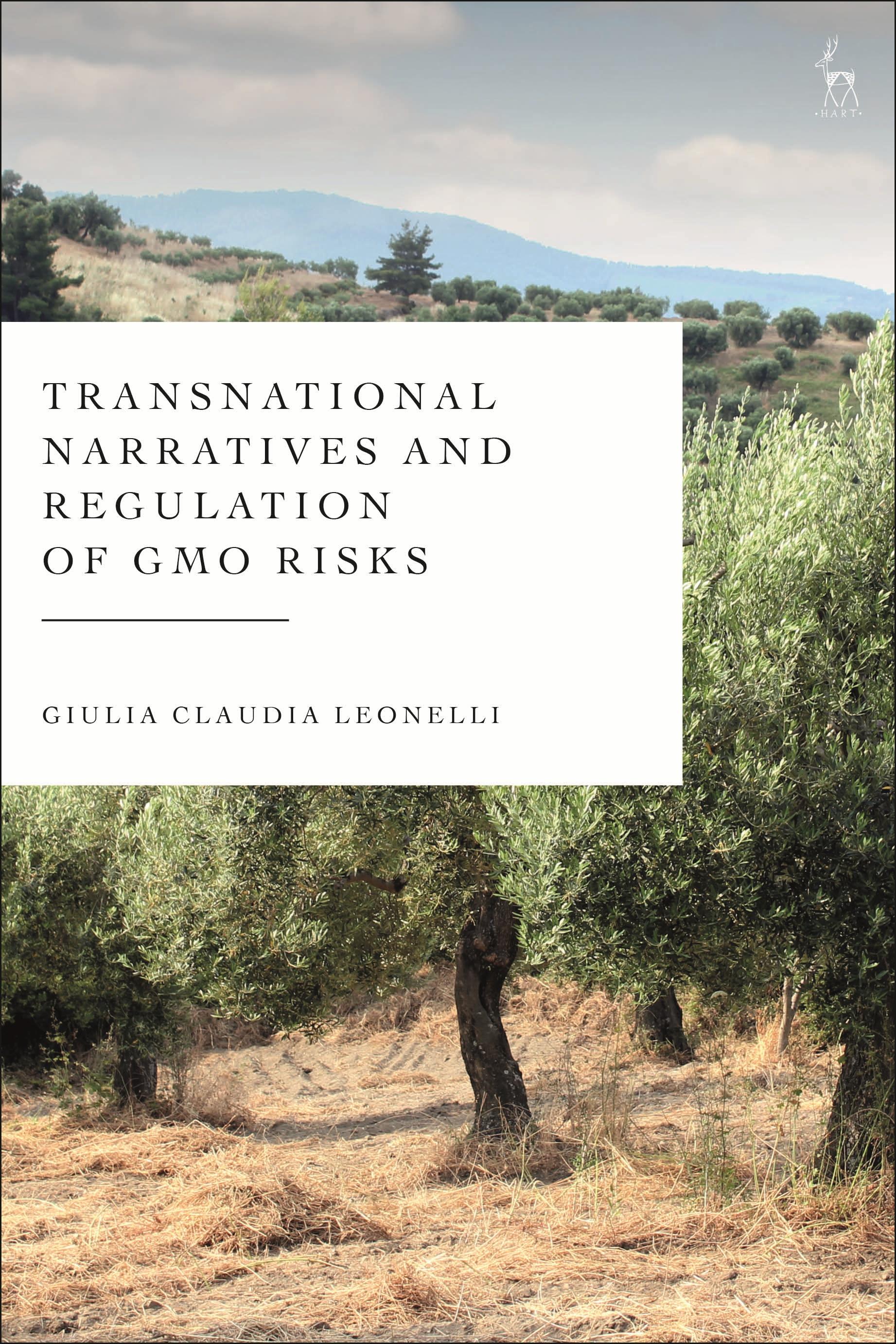
This book provides an innovative insight into the regulatory conundrum of genetically modified organisms (GMOs), deploying transnational legal analysis as a methodological framework to explore the most controversial area of risk governance.
The book deconstructs hegemonic and counter-hegemonic transnational narratives on the governance of GMO risks, cutting across US law, EU law, the WTO Agreement on Sanitary and Phytosanitary Measures, and hybrid standard-setting regimes. Should uncertain risks be run unless adverse effects have been conclusively established, and should regulators only act where this is cost-benefit effective? Should risk managers make a convincing case that a product or process is safe enough for the relevant uncertain risks to be socially acceptable? How can intractable transnational regulatory conflicts be solved?
The book complements a close analysis of regulatory frameworks and case law with a more encompassing perspective on the political, socio-economic and distributional implications of different approaches to the regulation of health and environmental risks at times of globalisation.
The GMO deadlock thus becomes a lens through which to investigate the underlying value systems, goals, and impacts of transnational discourses on risk governance. Against this backdrop, the normative strand of analysis points to the limited ability of science and procedural deliberation to generate authentic agreement and to identify normatively legitimate solutions, in the absence of pre-existing shared perspectives.
The book deconstructs hegemonic and counter-hegemonic transnational narratives on the governance of GMO risks, cutting across US law, EU law, the WTO Agreement on Sanitary and Phytosanitary Measures, and hybrid standard-setting regimes. Should uncertain risks be run unless adverse effects have been conclusively established, and should regulators only act where this is cost-benefit effective? Should risk managers make a convincing case that a product or process is safe enough for the relevant uncertain risks to be socially acceptable? How can intractable transnational regulatory conflicts be solved?
The book complements a close analysis of regulatory frameworks and case law with a more encompassing perspective on the political, socio-economic and distributional implications of different approaches to the regulation of health and environmental risks at times of globalisation.
The GMO deadlock thus becomes a lens through which to investigate the underlying value systems, goals, and impacts of transnational discourses on risk governance. Against this backdrop, the normative strand of analysis points to the limited ability of science and procedural deliberation to generate authentic agreement and to identify normatively legitimate solutions, in the absence of pre-existing shared perspectives.
Paga facilmente con carta, Klarna, Apple Pay o Google Pay. Non sei soddisfatto? Hai sempre 14 giorni per il rimborso. Leggi di più nei nostri termini. Per qualsiasi domanda, scrivici a hello@memmo.org.
Memmo rende lo studio più facile, ovunque tu sia nel mondo. Qui trovi i tuoi libri di testo e strumenti di studio intelligenti, tutto in un unico posto: riassunti, quiz, podcast e flashcard. E poi c'è Ted, il tuo compagno di studio che risponde a ogni tua domanda. Oltre 50.000 studenti studiano già qui: è stato creato per aiutarti a imparare più velocemente e a stressarti meno.