
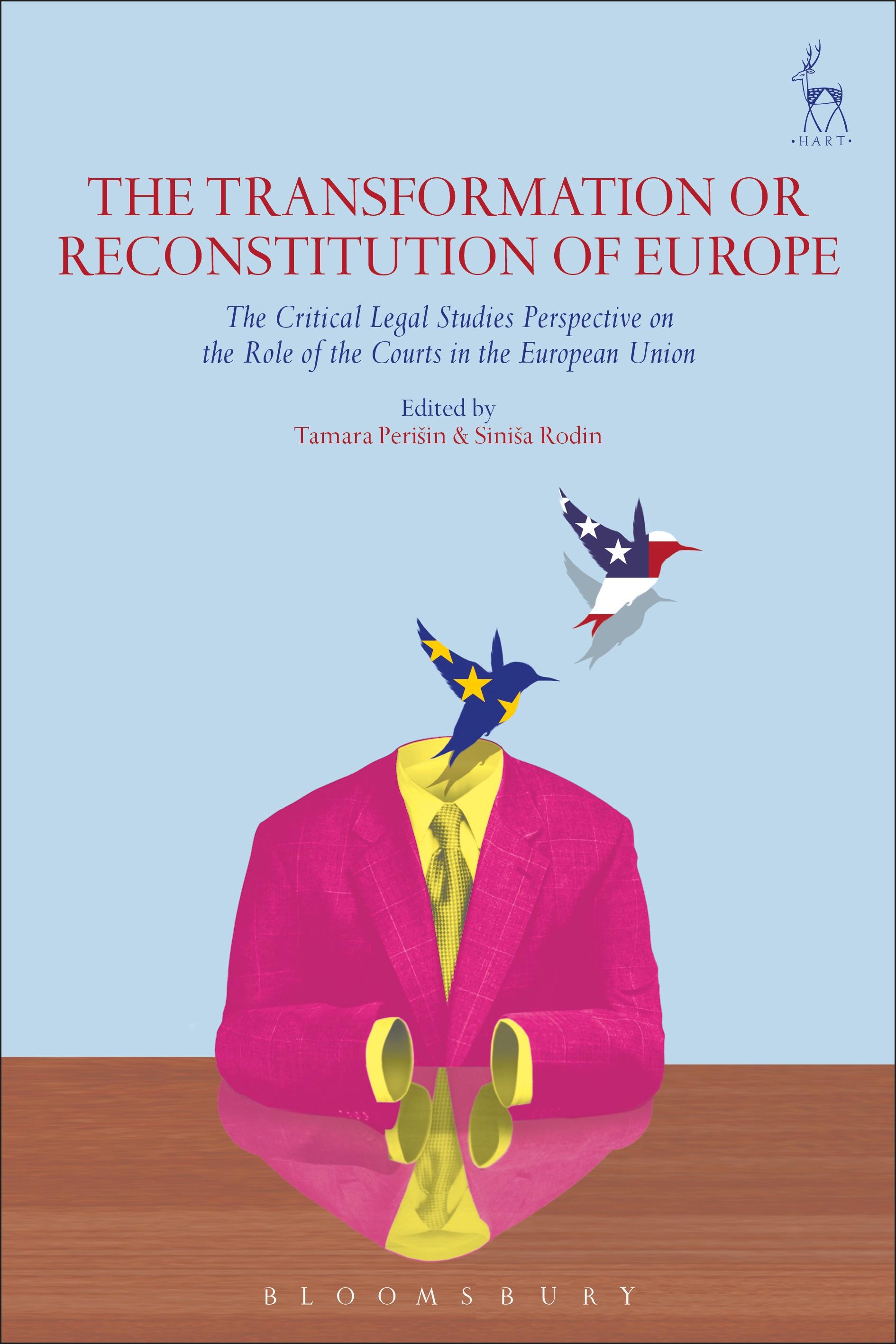
It is generally understood that EU law as interpreted by the ECJ has not merely reconstituted the national legal matrix at the supranational level, but has also transformed Europe and shaken the well-established, often formalist, ways of thinking about law in the Member States. This innovative new study seeks to examine such a narrative through the lens of the American critical legal studies (CLS) perspective.
The introduction explains how the editors understand CLS and why its methodology is relevant in the European context. Part II examines whether and how judges embed policy choices or even ideologies in their decisions, and how to detect them. Part III assesses how the ECJ acts to ensure the legitimacy of its decisions, whether it resists implementing political ideologies, what the ideology of European integration is, and how the selection of judges influences these issues. Part IV uses the critical perspective to examine some substantive parts of EU law, rules on internal and external movement, and the European arrest warrant. It seeks to determine whether the role of the ECJ has really been transformative and whether that transformation is reversible. Part V considers the role of academics in shaping the narratives of EU integration.
The introduction explains how the editors understand CLS and why its methodology is relevant in the European context. Part II examines whether and how judges embed policy choices or even ideologies in their decisions, and how to detect them. Part III assesses how the ECJ acts to ensure the legitimacy of its decisions, whether it resists implementing political ideologies, what the ideology of European integration is, and how the selection of judges influences these issues. Part IV uses the critical perspective to examine some substantive parts of EU law, rules on internal and external movement, and the European arrest warrant. It seeks to determine whether the role of the ECJ has really been transformative and whether that transformation is reversible. Part V considers the role of academics in shaping the narratives of EU integration.
Paga facilmente con carta, Klarna, Apple Pay o Google Pay. Non sei soddisfatto? Hai sempre 14 giorni per il rimborso. Leggi di più nei nostri termini. Per qualsiasi domanda, scrivici a hello@memmo.org.
Memmo rende lo studio più facile, ovunque tu sia nel mondo. Qui trovi i tuoi libri di testo e strumenti di studio intelligenti, tutto in un unico posto: riassunti, quiz, podcast e flashcard. E poi c'è Ted, il tuo compagno di studio che risponde a ogni tua domanda. Oltre 50.000 studenti studiano già qui: è stato creato per aiutarti a imparare più velocemente e a stressarti meno.