
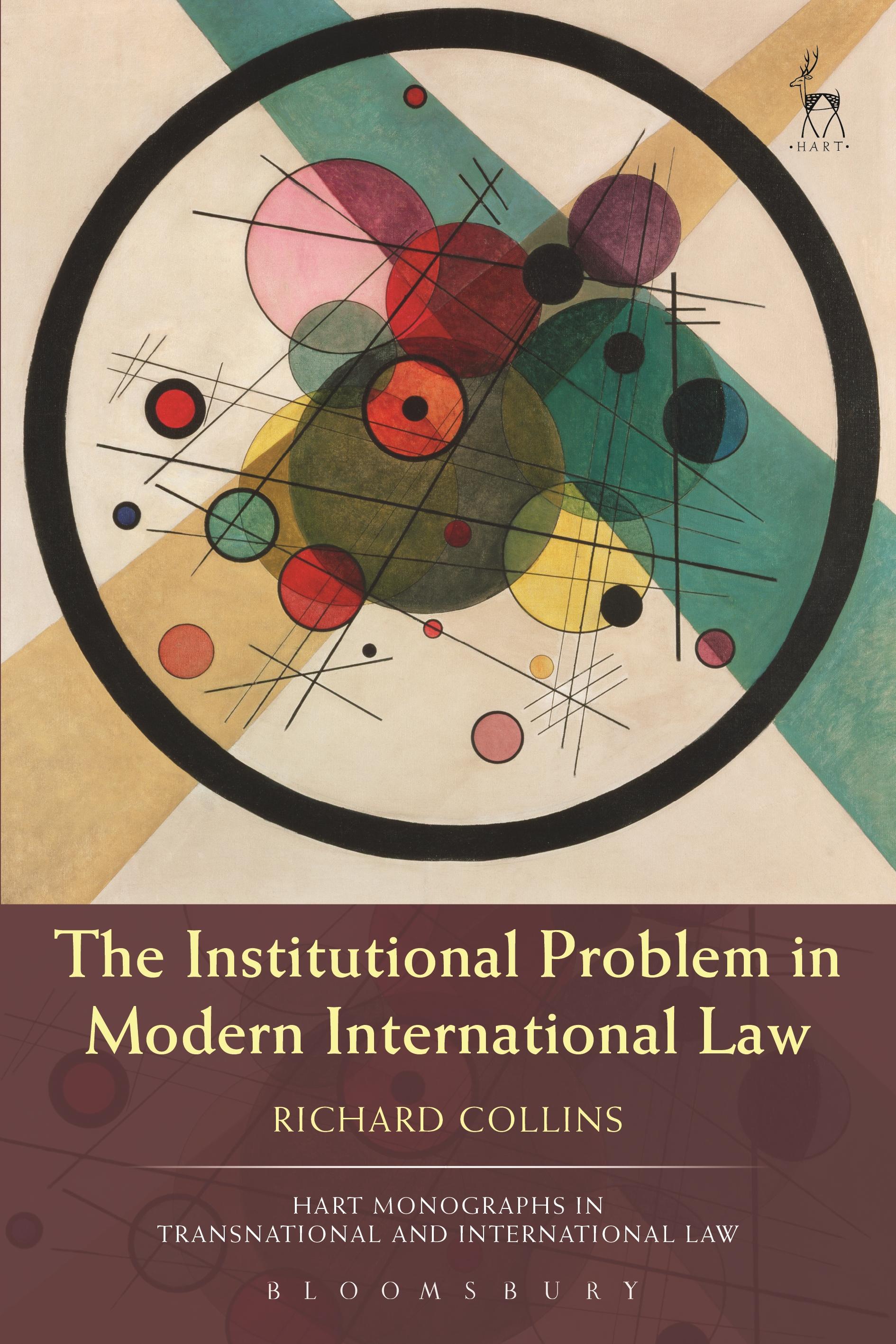
Modern international law is widely understood as an autonomous system of binding legal rules. Nevertheless, this claim to autonomy is far from uncontroversial. International lawyers have faced recurrent scepticism as to both the reality and efficacy of the object of their study and practice. For the most part, this scepticism has focussed on international law's peculiar institutional structure, with the absence of centralised organs of legislation, adjudication and enforcement, leaving international legal rules seemingly indeterminate in the conduct of international politics. Perception of this 'institutional problem' has therefore given rise to a certain disciplinary angst or self-defensiveness, fuelling a need to seek out functional analogues or substitutes for the kind of institutional roles deemed intrinsic to a functioning legal system. The author of this book believes that this strategy of accommodation is, however, deeply problematic. It fails to fully grasp the importance of international law's decentralised institutional form in securing some measure of accountability in international relations. It thus misleads through functional analogy and, in doing so, potentially exacerbates legitimacy deficits. There are enough conceptual weaknesses and blindspots in the legal-theoretical models against which international law is so frequently challenged to show that the perceived problem arises more in theory, than in practice.
Paga facilmente con carta, Klarna, Apple Pay o Google Pay. Non sei soddisfatto? Hai sempre 14 giorni per il rimborso. Leggi di più nei nostri termini. Per qualsiasi domanda, scrivici a hello@memmo.org.
Memmo rende lo studio più facile, ovunque tu sia nel mondo. Qui trovi i tuoi libri di testo e strumenti di studio intelligenti, tutto in un unico posto: riassunti, quiz, podcast e flashcard. E poi c'è Ted, il tuo compagno di studio che risponde a ogni tua domanda. Oltre 50.000 studenti studiano già qui: è stato creato per aiutarti a imparare più velocemente e a stressarti meno.