
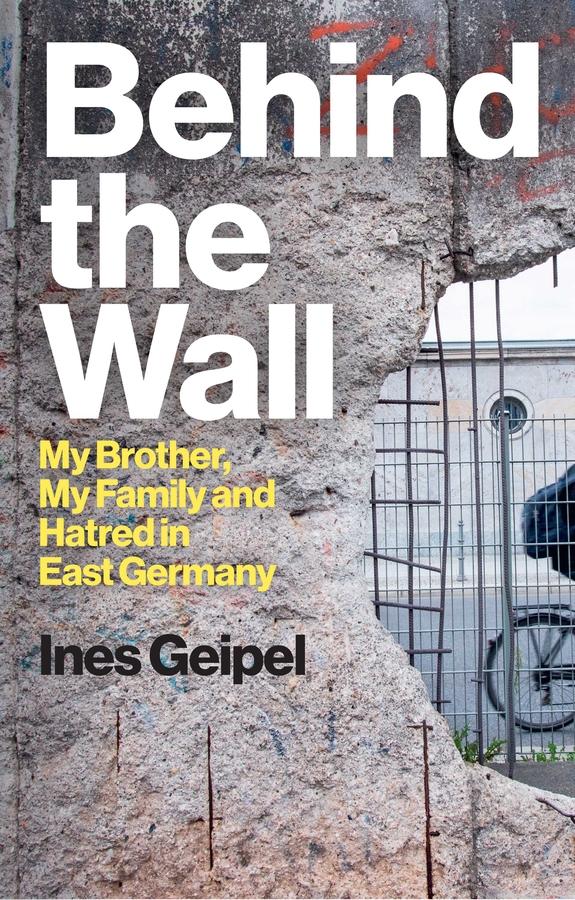
Germany, like many countries, has witnessed the rise of extremist far-right groups and parties in recent years, and no more so than in the eastern regions. Why have those parts of Germany that used to be part of the old GDR turned out to be so supportive of extremist groups and parties and such fertile ground for violence and hatred?
To try to find answers to this question, Ines Geipel, the former East German Olympic athlete, returns to her past in order explore the matrix of fear and anxiety that shaped the lives of people in the GDR. Spurred on by conversations at the bedside of her brother as he lay dying of a brain tumour, she probes into her own family background and discovers a web of secrets and denial that reflected larger processes of East German society. She finds that her father had worked as a special agent for the Stasi until the service had no further use for him, and her grandfather had joined the Nazi party in 1933 and was stationed in Riga at a time when tens of thousands of Jews were murdered in the nearby forests. Silence and denial within her family was mirrored in the collective loss of history outside her home, and the repression of ideological non-conformity made it difficult for a traumatized population to grapple with and come to terms with a brutal past. Instead, a politics of forgetting emerged which served the ends of an authoritarian state and seeped into private lives of individuals with deep and lasting consequences.
This powerful memoir, grippingly told, will appeal to anyone interested in the history of modern Germany, in the rise of far-right extremism and xenophobia and in the historical forces that shape the present.
To try to find answers to this question, Ines Geipel, the former East German Olympic athlete, returns to her past in order explore the matrix of fear and anxiety that shaped the lives of people in the GDR. Spurred on by conversations at the bedside of her brother as he lay dying of a brain tumour, she probes into her own family background and discovers a web of secrets and denial that reflected larger processes of East German society. She finds that her father had worked as a special agent for the Stasi until the service had no further use for him, and her grandfather had joined the Nazi party in 1933 and was stationed in Riga at a time when tens of thousands of Jews were murdered in the nearby forests. Silence and denial within her family was mirrored in the collective loss of history outside her home, and the repression of ideological non-conformity made it difficult for a traumatized population to grapple with and come to terms with a brutal past. Instead, a politics of forgetting emerged which served the ends of an authoritarian state and seeped into private lives of individuals with deep and lasting consequences.
This powerful memoir, grippingly told, will appeal to anyone interested in the history of modern Germany, in the rise of far-right extremism and xenophobia and in the historical forces that shape the present.
Pagine: 200
Categoria: Biografi & Memoarer
e-ISBN: 9781509559985
Peso di spedizione: 1.2 kg
Spedito in: 1-2 giorni
Paga facilmente con carta, Klarna, Apple Pay o Google Pay. Non sei soddisfatto? Hai sempre 14 giorni per il rimborso. Leggi di più nei nostri termini. Per qualsiasi domanda, scrivici a hello@memmo.org.
Memmo rende lo studio più facile, ovunque tu sia nel mondo. Qui trovi i tuoi libri di testo e strumenti di studio intelligenti, tutto in un unico posto: riassunti, quiz, podcast e flashcard. E poi c'è Ted, il tuo compagno di studio che risponde a ogni tua domanda. Oltre 50.000 studenti studiano già qui: è stato creato per aiutarti a imparare più velocemente e a stressarti meno.
Potrebbe interessarti anche
Acquista il libro0