
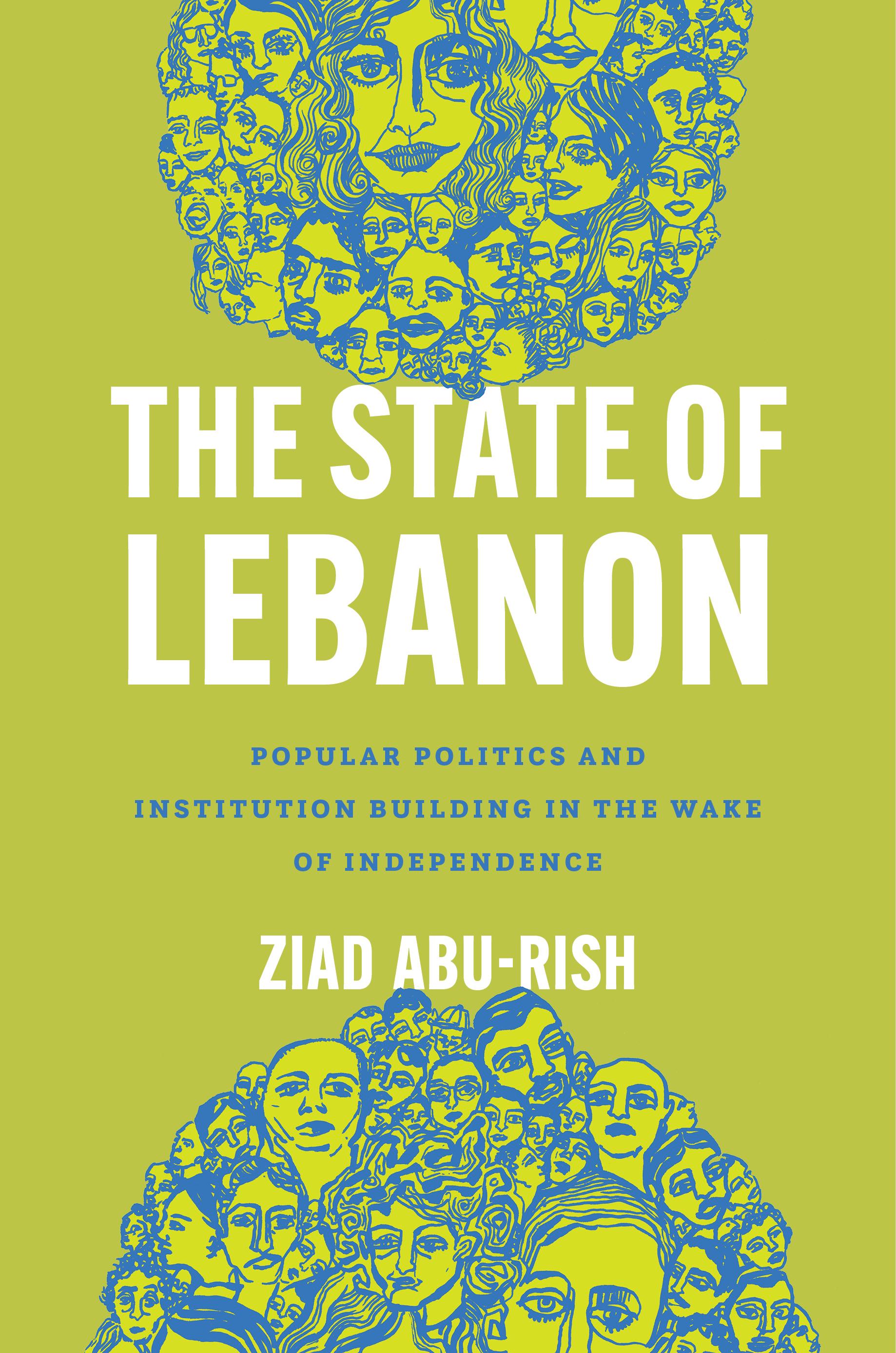
Lebanon gained its formal political independence in 1943. During the dozen years that followed, women and men across class, sectarian, geographic, and ideological divides built, challenged, and reformed the institutional arrangements that would shape the country. With this book, Ziad Abu-Rish traces shifting patterns of alliances and conflict that shaped the material and representational production of the Lebanese nation-state. Exploring labor regimes, women's suffrage, the provision of electricity in Beirut, public education, and the armed forces—and the meetings, lectures, pamphlets, delegations, and protests they produced—Abu-Rish demonstrates how elite and popular groups mobilized normative ideas about independence and state power.
The State of Lebanon offers a new social and institutional history of post-colonial Lebanon. Abu-Rish challenges common narratives of an absent, weak, or failed state. Instead, state institutional arrangements emerge as objects and subjects of political mobilization by politicians, bureaucrats, party activists, students, and workers. Rather than read history backward from the present, he approaches the past on its own terms. In so doing, Abu-Rish offers significant insights into politics, social life, and the state in Lebanon—grounded in the early post-independence period yet critical to how we understand Lebanon today.
Paga facilmente con carta, Klarna, Apple Pay o Google Pay. Non sei soddisfatto? Hai sempre 14 giorni per il rimborso. Leggi di più nei nostri termini. Per qualsiasi domanda, scrivici a hello@memmo.org.
Memmo rende lo studio più facile, ovunque tu sia nel mondo. Qui trovi i tuoi libri di testo e strumenti di studio intelligenti, tutto in un unico posto: riassunti, quiz, podcast e flashcard. E poi c'è Ted, il tuo compagno di studio che risponde a ogni tua domanda. Oltre 50.000 studenti studiano già qui: è stato creato per aiutarti a imparare più velocemente e a stressarti meno.