
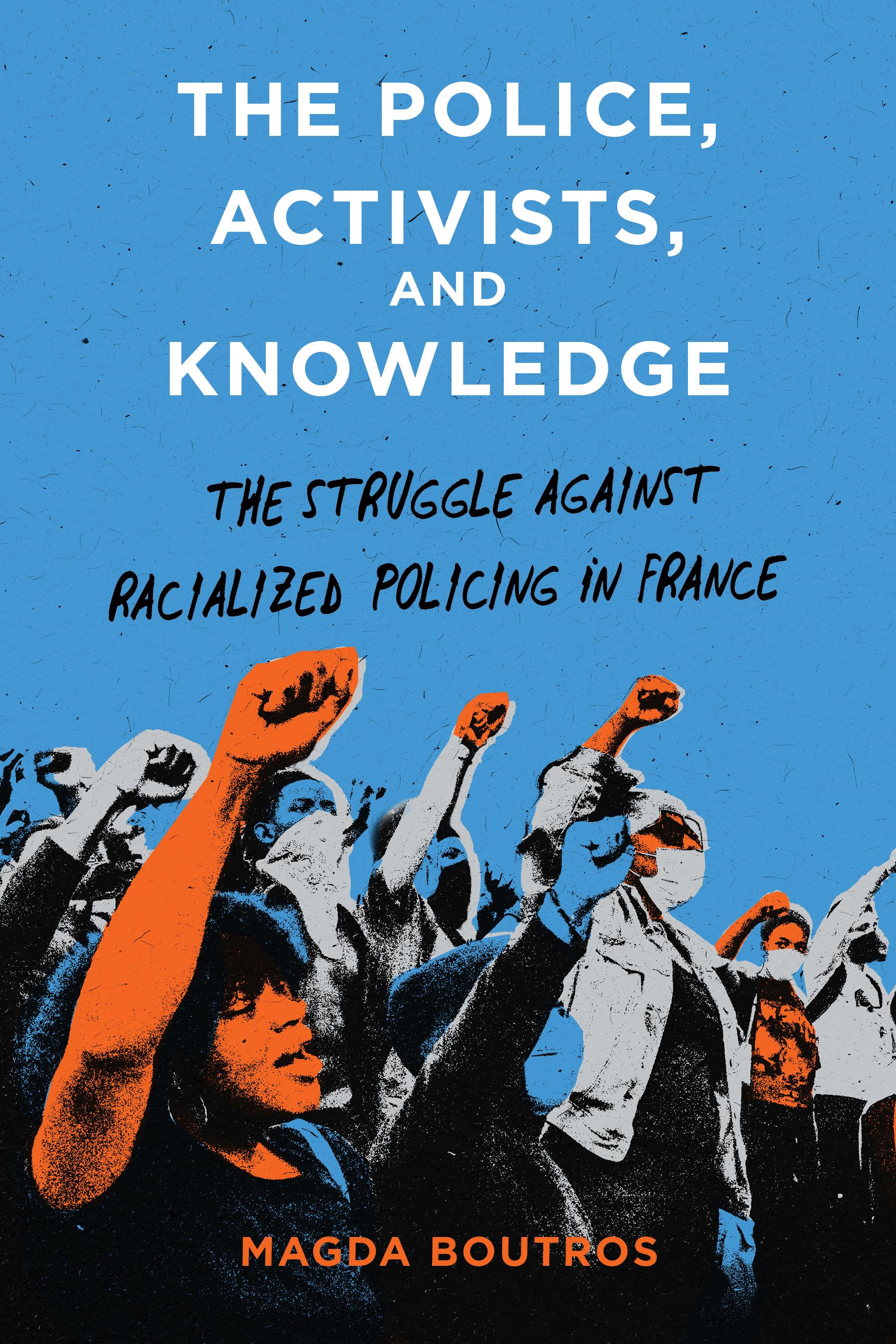
Over the past fifteen years in France, police brutality, racial profiling, and police impunity have become salient issues of the public and political debate. In this book, Magda Boutros examines the social movements that brought these issues to the forefront of public conversations and analyzes how they influenced the terms of the debate about policing and inequality. In France, like in other countries, the police hold significant power to determine what is known – and what remains hidden – about their practices. Drawing on a comparative ethnography of three activist coalitions, Boutros shows the different ways activists produced evidence about policing and racial inequalities: collecting quantitative data, documenting lived experiences of police targets, or victims coming together to analyze patterns of oppression. Each approach to data production shaped activists' conceptions of police violence and racism, their ability to push beyond a "bad apples" narrative, and their visions for change. It also impacted their capacity to push the boundaries of what is knowable and sayable in the media, policy, and judicial fields.
Boutros argues that we must pay attention to the capacity of the police to control what we know, and to the methods movements use to produce knowledge about policing and inequality.
Paga facilmente con carta, Klarna, Apple Pay o Google Pay. Non sei soddisfatto? Hai sempre 14 giorni per il rimborso. Leggi di più nei nostri termini. Per qualsiasi domanda, scrivici a hello@memmo.org.
Memmo rende lo studio più facile, ovunque tu sia nel mondo. Qui trovi i tuoi libri di testo e strumenti di studio intelligenti, tutto in un unico posto: riassunti, quiz, podcast e flashcard. E poi c'è Ted, il tuo compagno di studio che risponde a ogni tua domanda. Oltre 50.000 studenti studiano già qui: è stato creato per aiutarti a imparare più velocemente e a stressarti meno.