
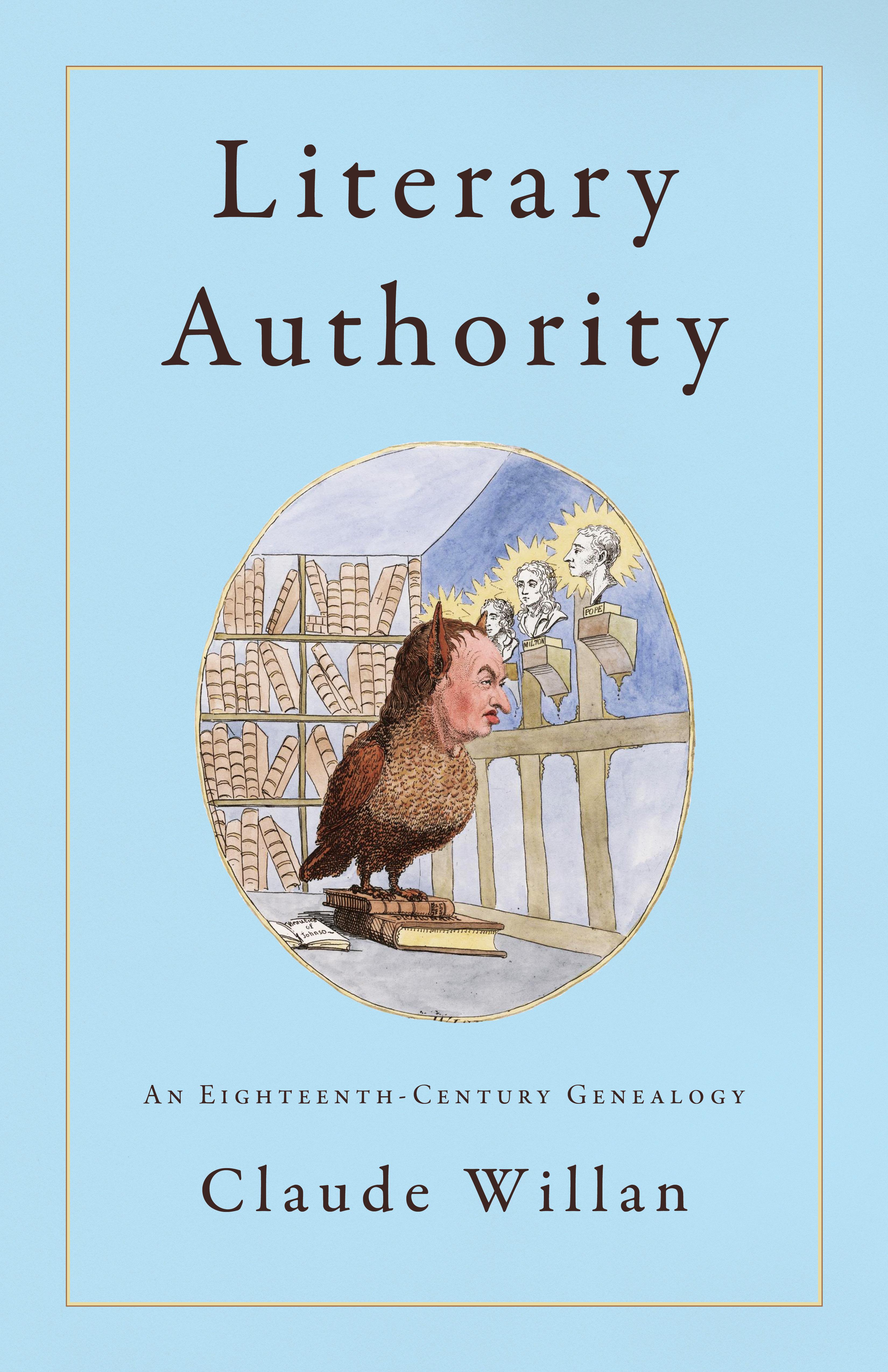
This book is the cultural history of an idea which now seems so self-evident as barely to be worth stating: through writing imaginative literature, an author can accrue significant and lasting economic and cultural power. We take for granted, now, that authority dwells in literature and in being its author. This state of affairs was not naturally occurring, but deliberately invented. This book tells the story of that invention.
The story's central figures are Alexander Pope and Samuel Johnson. But its narrative begins in the 1680s, with the last gasp of the bond linking literary to political authority. While Jacobite poets celebrated (and mourned) the Stuart dynasty, Whig writers traced the philosophical and aesthetic consequences of the accession of William of Orange. Both groups left behind sets of literary devices ready-made to confer and validate authority. Claude Willan challenges the continued reign of the "Scriblerian" model of the period and shows how that reign was engineered. In so doing he historicizes the relationship between "good" and "bad" writing, and suggests how we might think about literature and beauty had Pope and Johnson not taken literary authority for themselves. What might literature have looked like, and what could we use it for, he provocatively asks.
Paga facilmente con carta, Klarna, Apple Pay o Google Pay. Non sei soddisfatto? Hai sempre 14 giorni per il rimborso. Leggi di più nei nostri termini. Per qualsiasi domanda, scrivici a hello@memmo.org.
Memmo rende lo studio più facile, ovunque tu sia nel mondo. Qui trovi i tuoi libri di testo e strumenti di studio intelligenti, tutto in un unico posto: riassunti, quiz, podcast e flashcard. E poi c'è Ted, il tuo compagno di studio che risponde a ogni tua domanda. Oltre 50.000 studenti studiano già qui: è stato creato per aiutarti a imparare più velocemente e a stressarti meno.