
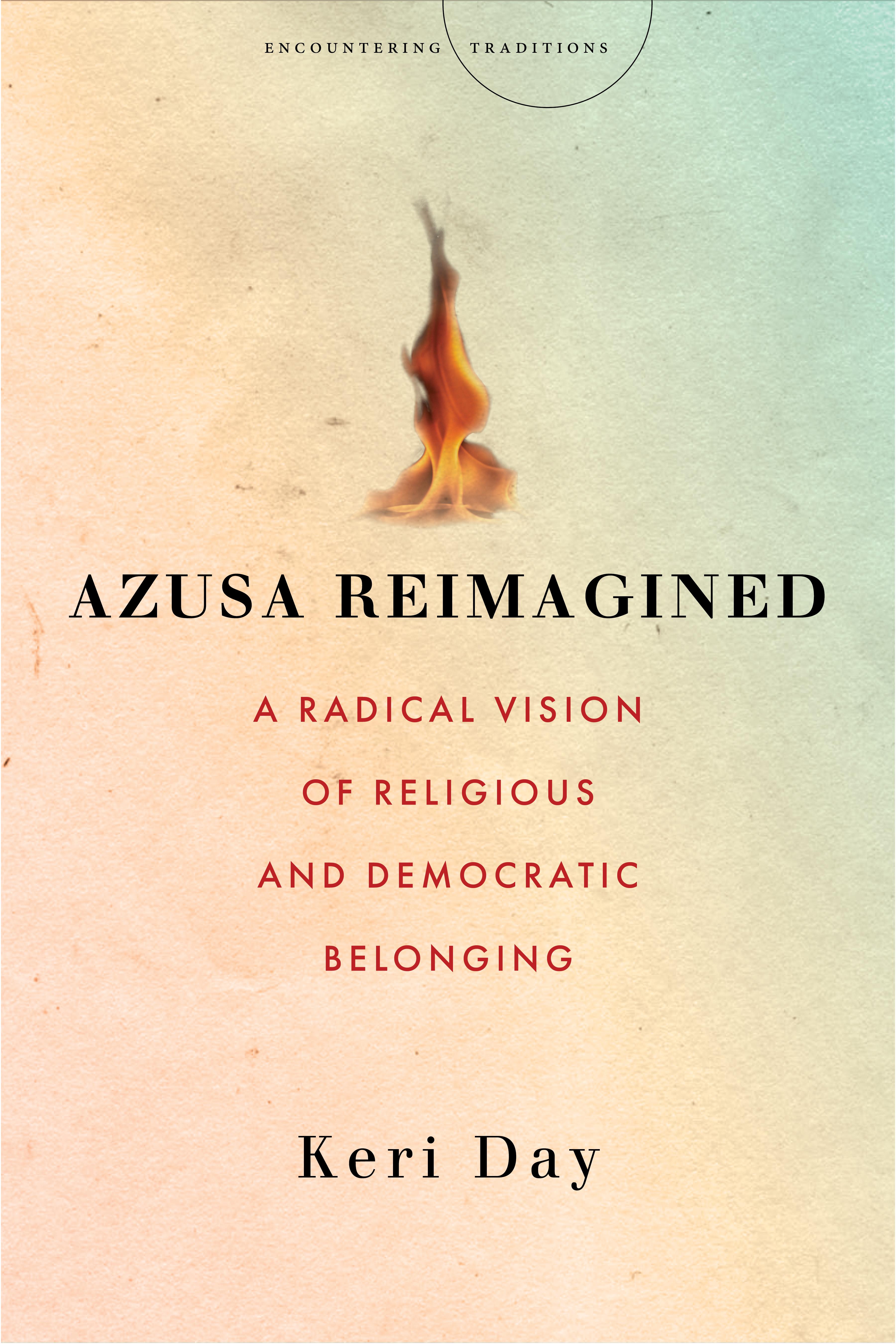
In Azusa Reimagined, Keri Day explores how the Azusa Street Revival of 1906, out of which U.S. Pentecostalism emerged, directly critiqued America's distorted capitalist values and practices at the start of the twentieth century. Employing historical research, theological analysis, and critical theory, Day demonstrates that Azusa's religious rituals and traditions rejected the racial norms and profit-driven practices that many white Christian communities gladly embraced.
Through its sermons and social practices, the Azusa community critiqued racialized conceptions of citizenship that guided early capitalist endeavors such as world fairs and expositions. Azusa also envisioned deeper democratic practices of human belonging and care than the white nationalist loyalties early U.S. capitalism encouraged. In this lucid work, Day makes Azusa's challenge to this warped economic ecology visible, showing how Azusa not only offered a radical critique of racial capitalism but also offers a way for contemporary religious communities to cultivate democratic practices of belonging against the backdrop of late capitalism's deep racial divisions and material inequalities.
Paga facilmente con carta, Klarna, Apple Pay o Google Pay. Non sei soddisfatto? Hai sempre 14 giorni per il rimborso. Leggi di più nei nostri termini. Per qualsiasi domanda, scrivici a hello@memmo.org.
Memmo rende lo studio più facile, ovunque tu sia nel mondo. Qui trovi i tuoi libri di testo e strumenti di studio intelligenti, tutto in un unico posto: riassunti, quiz, podcast e flashcard. E poi c'è Ted, il tuo compagno di studio che risponde a ogni tua domanda. Oltre 50.000 studenti studiano già qui: è stato creato per aiutarti a imparare più velocemente e a stressarti meno.