
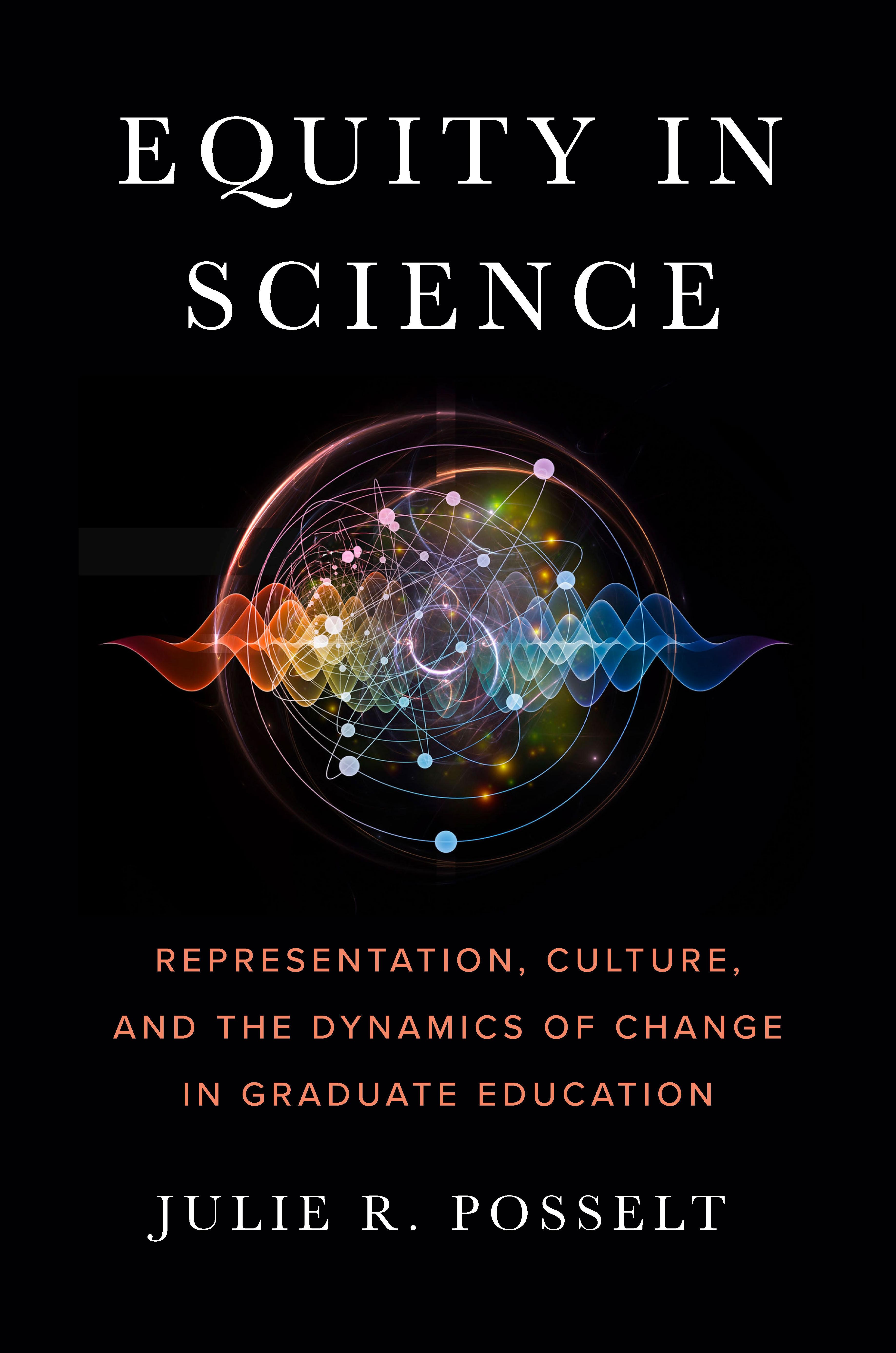
STEM disciplines are believed to be founded on the idea of meritocracy; recognition earned by the value of the data, which is objective. Such disciplinary cultures resist concerns about implicit or structural biases, and yet, year after year, scientists observe persistent gender and racial inequalities in their labs, departments, and programs. In Equity in Science, Julie Posselt makes the case that understanding how field-specific cultures develop is a crucial step for bringing about real change. She does this by examining existing equity, diversity, and inclusion efforts across astronomy, physics, chemistry, geology, and psychology. These ethnographic case studies reveal the subtle ways that exclusion and power operate in scientific organizations and, sometimes, within change efforts themselves. Posselt argues that accelerating the movement for inclusion in science requires more effective collaboration across boundaries that typically separate people and scholars—across the social and natural sciences, across the faculty-student-administrator roles, and across race, gender, and other social identities. Ultimately this book is a call for academia to place equal value on expertise, and on those who do the work of cultural translation. Posselt closes with targeted recommendations for individuals, departments, and disciplinary societies for creating systemic, sustainable change.
Paga facilmente con carta, Klarna, Apple Pay o Google Pay. Non sei soddisfatto? Hai sempre 14 giorni per il rimborso. Leggi di più nei nostri termini. Per qualsiasi domanda, scrivici a hello@memmo.org.
Memmo rende lo studio più facile, ovunque tu sia nel mondo. Qui trovi i tuoi libri di testo e strumenti di studio intelligenti, tutto in un unico posto: riassunti, quiz, podcast e flashcard. E poi c'è Ted, il tuo compagno di studio che risponde a ogni tua domanda. Oltre 50.000 studenti studiano già qui: è stato creato per aiutarti a imparare più velocemente e a stressarti meno.