
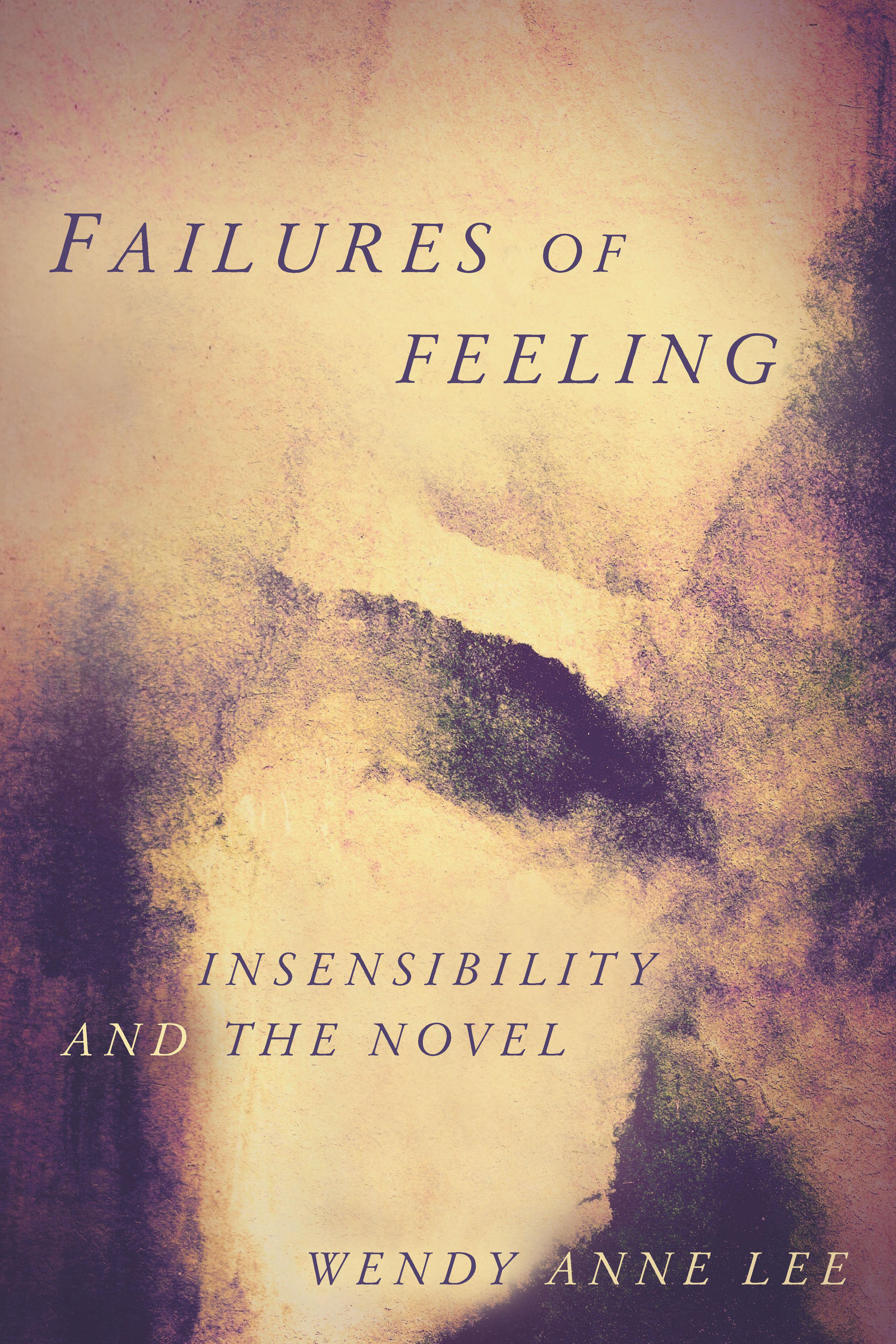
This book recovers the curious history of the "insensible" in the Age of Sensibility. Tracking this figure through the English novel's uneven and messy past, Wendy Anne Lee draws on Enlightenment theories of the passions to place philosophy back into conversation with narrative. Contemporary critical theory often simplifies or disregards earlier accounts of emotions, while eighteenth-century studies has focused on cultural histories of sympathy. In launching a more philosophical inquiry about what emotions are, Failures of Feeling corrects for both of these oversights. Proposing a fresh take on emotions in the history of the novel, its chapters open up literary history's most provocative cases of unfeeling, from the iconic scrivener who would prefer not to and the reviled stock figure of the prude, to the heroic rape survivor, the burnt-out man-of-feeling, and the hard-hearted Jane Austen herself. These pivotal cases of insensibility illustrate a new theory of mind and of the novel predicated on an essential paradox: the very phenomenon that would appear to halt feeling and plot actually compels them. Contrary to the assumption that fictional investment relies on a richness of interior life, Lee shows instead that nothing incites the passions like dispassion.
Paga facilmente con carta, Klarna, Apple Pay o Google Pay. Non sei soddisfatto? Hai sempre 14 giorni per il rimborso. Leggi di più nei nostri termini. Per qualsiasi domanda, scrivici a hello@memmo.org.
Memmo rende lo studio più facile, ovunque tu sia nel mondo. Qui trovi i tuoi libri di testo e strumenti di studio intelligenti, tutto in un unico posto: riassunti, quiz, podcast e flashcard. E poi c'è Ted, il tuo compagno di studio che risponde a ogni tua domanda. Oltre 50.000 studenti studiano già qui: è stato creato per aiutarti a imparare più velocemente e a stressarti meno.