
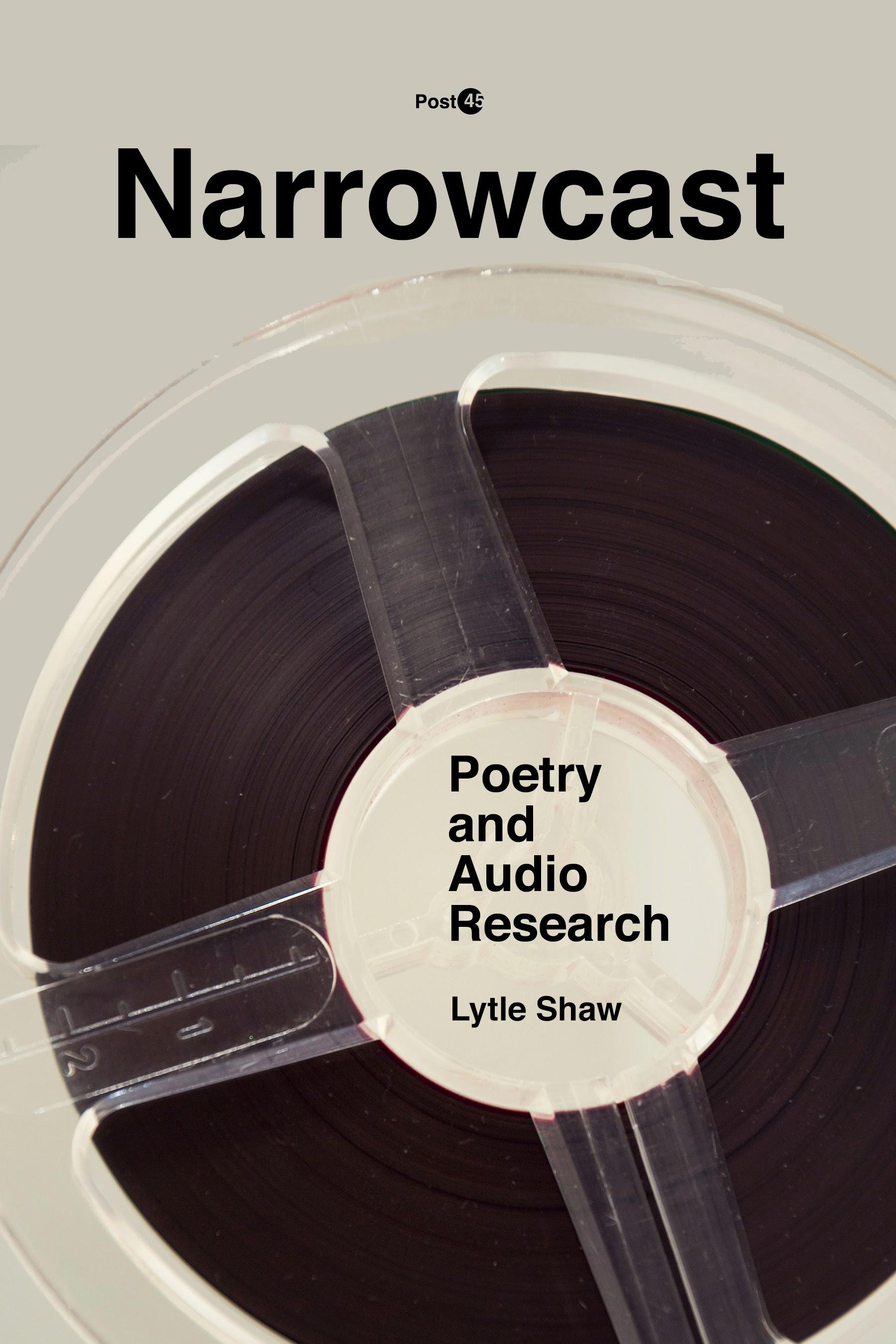
Narrowcast explores how mid-century American poets associated with the New Left mobilized tape recording as a new form of sonic field research even as they themselves were being subjected to tape-based surveillance. Media theorists tend to understand audio recording as a technique for separating bodies from sounds, but this book listens closely to tape's embedded information, offering a counterintuitive site-specific account of 1960s poetic recordings. Allen Ginsberg, Charles Olson, Larry Eigner, and Amiri Baraka all used recording to contest models of time being put forward by dominant media and the state, exploring non-monumental time and subverting media schedules of work, consumption, leisure, and national crises. Surprisingly, their methods at once dovetailed with those of the state collecting evidence against them and ran up against the same technological limits. Arguing that CIA and FBI "researchers" shared unexpected terrain not only with poets but with famous theorists such as Fredric Jameson and Hayden White, Lytle Shaw reframes the status of tape recordings in postwar poetics and challenges notions of how tape might be understood as a mode of evidence.
Paga facilmente con carta, Klarna, Apple Pay o Google Pay. Non sei soddisfatto? Hai sempre 14 giorni per il rimborso. Leggi di più nei nostri termini. Per qualsiasi domanda, scrivici a hello@memmo.org.
Memmo rende lo studio più facile, ovunque tu sia nel mondo. Qui trovi i tuoi libri di testo e strumenti di studio intelligenti, tutto in un unico posto: riassunti, quiz, podcast e flashcard. E poi c'è Ted, il tuo compagno di studio che risponde a ogni tua domanda. Oltre 50.000 studenti studiano già qui: è stato creato per aiutarti a imparare più velocemente e a stressarti meno.