
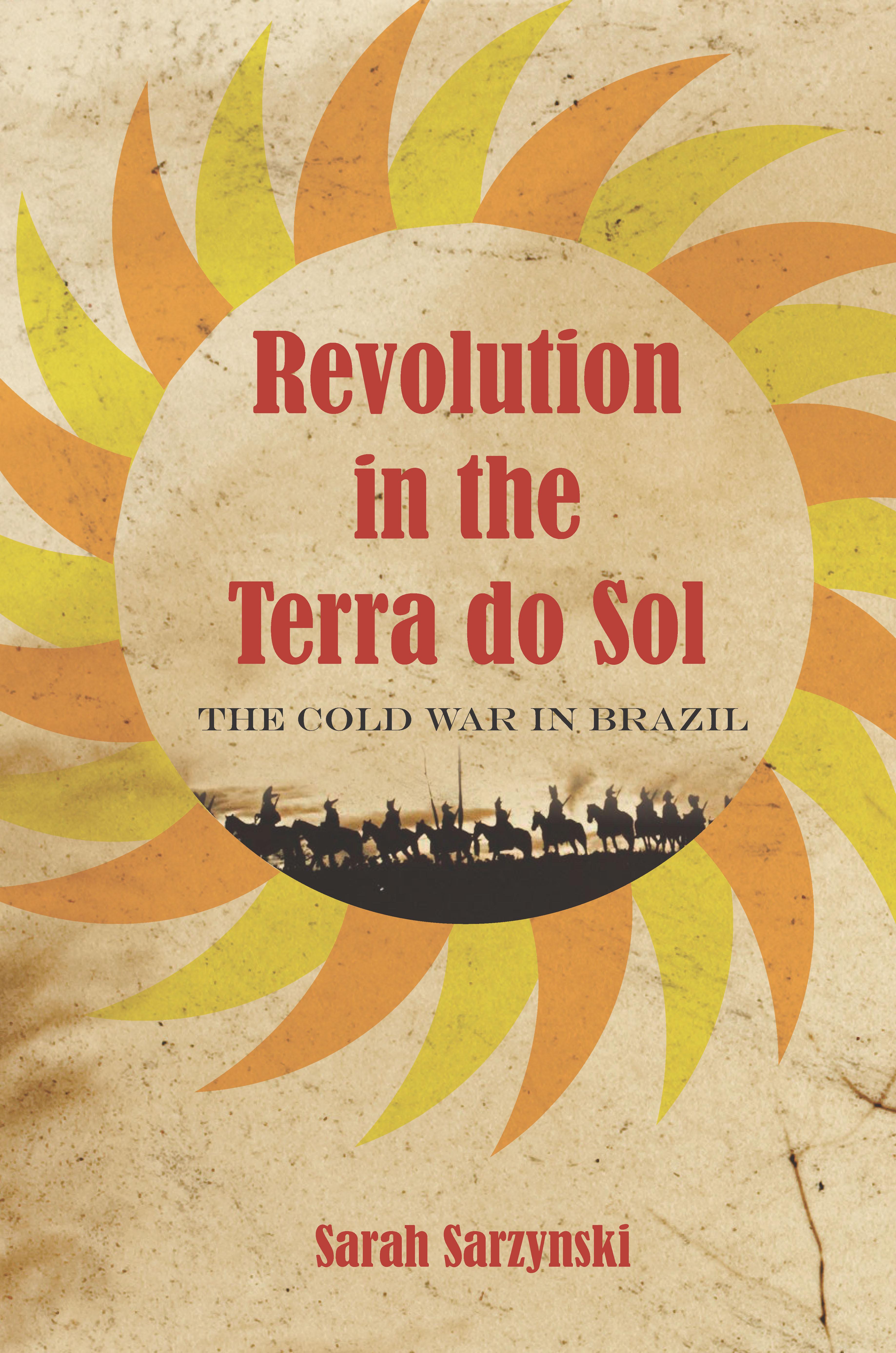
Sarah Sarzynski's cultural history of Cold War–era Brazil examines the influence of revolutionary social movements in Northeastern Brazil during the lead-up to the 1964 coup that would bring the military to power for 21 years. Rural social movements that unfolded in the Northeast beginning in the 1950s inspired Brazilian and international filmmakers, intellectuals, politicians, and journalists to envision a potential social revolution in Brazil. But in the wake of the Cuban Revolution, the strength of rural social movements also raised fears about the threat of communism and hemispheric security.
Turning to sources including Cinema Novo films, biographies, chapbook literature, and materials from U.S. and Brazilian government archives, Sarzynski shows how representations of the Northeast depended on persistent stereotypes depicting the region as backward, impoverished, and violent. By late March 1964, Brazilian Armed Forces faced little resistance when overthrowing democratically elected leaders in part because of the widely held belief that the violence and chaos in the "backward" Northeast threatened the modern Brazilian nation. Sarzynski's cultural history recasts conventional narratives of the Cold War in Brazil, showing how local struggles over land reform and rural workers' rights were part of broader ideological debates over capitalism and communism, Third World independence, and modernization on a global scale.
Paga facilmente con carta, Klarna, Apple Pay o Google Pay. Non sei soddisfatto? Hai sempre 14 giorni per il rimborso. Leggi di più nei nostri termini. Per qualsiasi domanda, scrivici a hello@memmo.org.
Memmo rende lo studio più facile, ovunque tu sia nel mondo. Qui trovi i tuoi libri di testo e strumenti di studio intelligenti, tutto in un unico posto: riassunti, quiz, podcast e flashcard. E poi c'è Ted, il tuo compagno di studio che risponde a ogni tua domanda. Oltre 50.000 studenti studiano già qui: è stato creato per aiutarti a imparare più velocemente e a stressarti meno.