
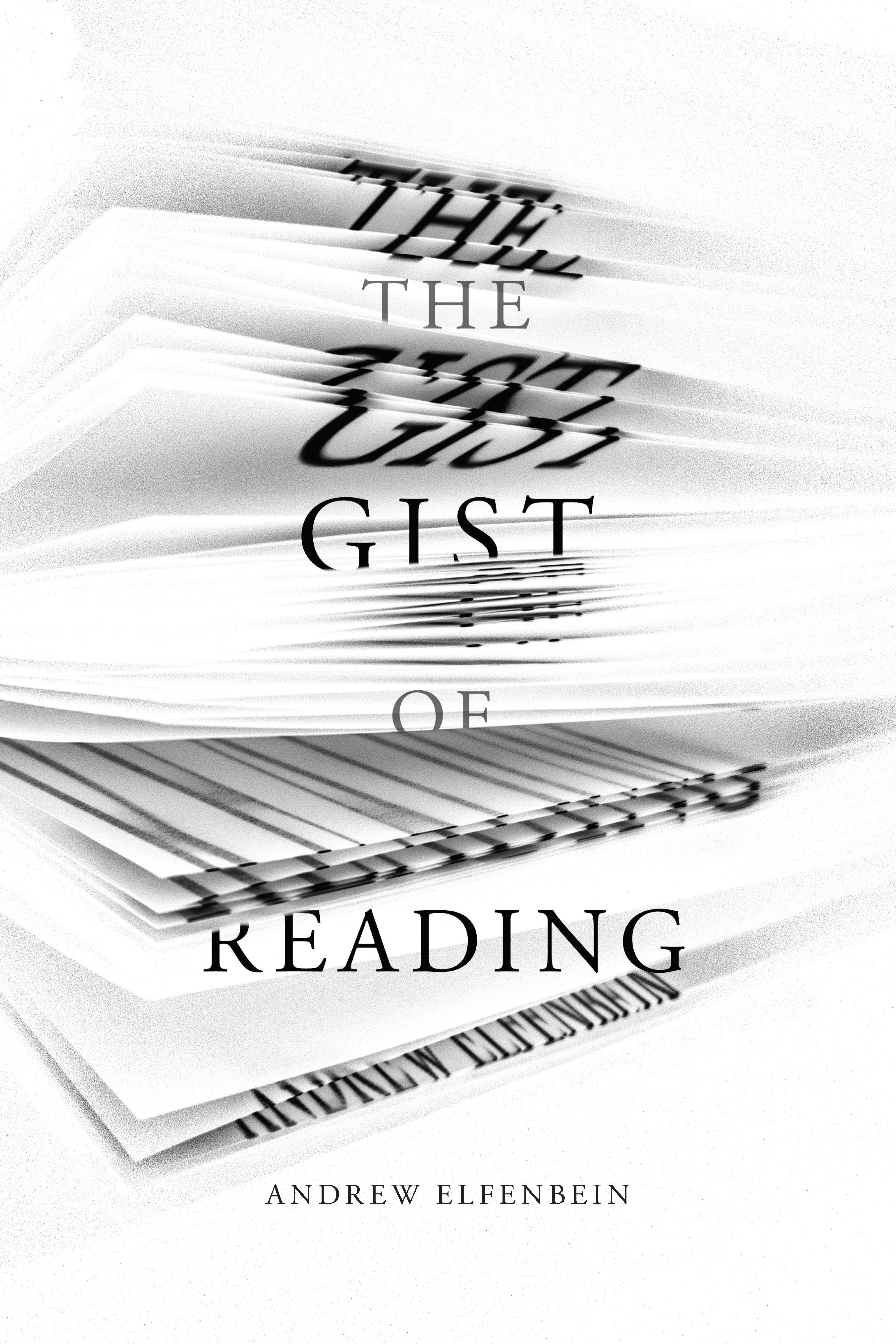
What happens to books as they live in our long-term memory? Why do we find some books entertaining and others not? And how does literary influence work on writers in different ways? Grounded in the findings of empirical psychology, this book amends classic reader-response theory and attends to neglected aspects of reading that cannot be explained by traditional literary criticism.
Reading arises from a combination of two kinds of mental work: automatic and controlled processes. Automatic processes, such as the ability to see visual symbols as words, are the result of constant practice; controlled processes, such as predicting what might occur next in a story, arise from readers' conscious use of skills and background knowledge. When we read, automatic and controlled processes work together to create the "gist" of reading, the constant interplay between these two kinds of processes. Andrew Elfenbein not only explains how we read today, but also uses current knowledge about reading to consider readers of past centuries, arguing that understanding gist is central to interpreting the social, psychological, and political impact of literary works. The result is the first major revisionary account of reading practices in literary criticism since the 1970s.
Paga facilmente con carta, Klarna, Apple Pay o Google Pay. Non sei soddisfatto? Hai sempre 14 giorni per il rimborso. Leggi di più nei nostri termini. Per qualsiasi domanda, scrivici a hello@memmo.org.
Memmo rende lo studio più facile, ovunque tu sia nel mondo. Qui trovi i tuoi libri di testo e strumenti di studio intelligenti, tutto in un unico posto: riassunti, quiz, podcast e flashcard. E poi c'è Ted, il tuo compagno di studio che risponde a ogni tua domanda. Oltre 50.000 studenti studiano già qui: è stato creato per aiutarti a imparare più velocemente e a stressarti meno.